Balancing cost and performance is one of the most critical aspects of tire manufacturing. Tire manufacturers must carefully select materials that meet performance requirements such as traction, durability, fuel efficiency, and safety, while also keeping production costs competitive. Here’s how tire manufacturers approach the balance between cost and performance when selecting materials:
1. Material Selection Based on Performance Requirements
Each type of tire—whether it’s for passenger cars, trucks, sports vehicles, or off-road machinery—requires different material properties. Tire manufacturers balance cost and performance by choosing materials that offer the best combination of performance characteristics at an affordable price.
a) Tread Compounds
- Key Performance Factors: The tread of the tire plays a crucial role in traction, durability, and wet handling. For high-performance tires, manufacturers use advanced compounds that provide maximum grip and cornering stability, but these compounds tend to be more expensive.
- Cost-Effective Alternatives: For standard tires, manufacturers may use a more cost-effective mix of synthetic rubber and natural rubber. Silica is often used in tread compounds to reduce rolling resistance and improve fuel efficiency. While silica tends to be more expensive than carbon black, its fuel efficiency benefits and improved wet traction can justify its use in fuel-efficient or all-season tires.
- Compromise Between Durability and Cost: Manufacturers balance cost by selecting a mix of natural rubber and synthetic rubber (such as styrene-butadiene rubber (SBR)) to optimize performance at a more affordable price. Natural rubber typically provides better traction and wear resistance, but it is more expensive and harder to source sustainably. SBR is more economical and can be customized for specific performance characteristics.
b) Durability and Wear Resistance
- Performance: Durability is a key factor in tire performance, particularly for long-distance and commercial vehicles. Tires must withstand constant friction and wear while maintaining their performance.
- Cost Balance: Manufacturers often include carbon black in the rubber compound to increase abrasion resistance. Carbon black is relatively inexpensive compared to other performance-enhancing materials like silica, but it can reduce the fuel efficiency of tires. However, manufacturers balance this tradeoff by considering the tire’s expected lifespan and overall cost-per-mile.
2. Material Innovations to Reduce Costs While Improving Performance
a) Use of Recycled Materials
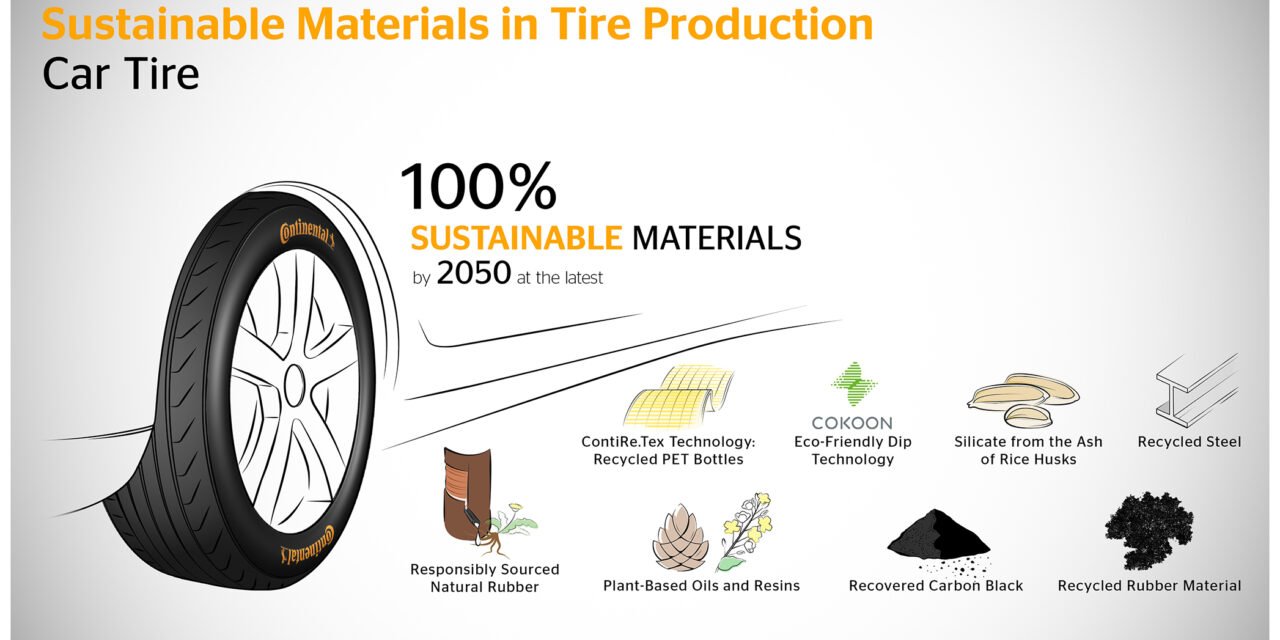
- Recycled Rubber: Tire manufacturers are increasingly incorporating recycled rubber from old tires (also known as crumb rubber) into new tire compounds. This helps lower costs, as recycled rubber is generally cheaper than virgin materials. It also supports sustainability goals.
- Recycled Carbon Black: Recycled carbon black from old tires is being used to replace virgin carbon black. This is not only more cost-effective but also reduces the environmental impact of the tire manufacturing process.
- Trade-off: While recycled materials can be more economical, they may not always offer the same level of performance as new materials. For instance, recycled rubber may have slightly reduced durability or traction compared to virgin rubber, so manufacturers balance the proportion of recycled content to maintain an optimal mix of cost and performance.
b) Development of Advanced Synthetic Rubbers
- Low-Cost Alternatives: To reduce reliance on natural rubber, manufacturers are exploring advanced synthetic rubbers, such as butadiene rubber (BR) and styrene-butadiene rubber (SBR). These materials are often cheaper than natural rubber and can be customized for different performance needs (e.g., tread life, rolling resistance, and traction).
- Enhanced Compounds: New generations of synthetic rubbers offer improved performance characteristics, such as better fuel efficiency and durability, without significantly increasing production costs.
3. Compromise Between Performance Features
In tire manufacturing, trade-offs are inevitable when balancing cost and performance. Manufacturers prioritize different characteristics based on the type of tire being produced and the target market.
a) Fuel Efficiency vs. Durability
- Fuel Efficiency: Tires with low rolling resistance improve fuel efficiency but tend to wear more quickly because the compounds used to reduce rolling resistance are softer.
- Durability: Tires that focus on durability (e.g., for heavy trucks or commercial vehicles) tend to have harder compounds to withstand long-term wear but may have higher rolling resistance, leading to reduced fuel efficiency.
- Balance: Tire manufacturers strive to create a balance by using moderate compounds that offer a compromise between fuel efficiency and durability without compromising safety or performance.
b) Grip vs. Longevity
- Grip: High-performance tires prioritize grip and traction, using high-quality rubber compounds that provide optimal handling but wear out more quickly.
- Longevity: Standard tires, on the other hand, focus on longevity, using harder compounds that last longer but may not provide the same level of grip as performance tires.
- Balanced Formulations: Manufacturers use optimized tread designs and compounds to find a middle ground, such as in all-season tires, which balance wet traction, dry handling, and long tread life at a reasonable cost.
4. Technological Innovations in Tire Manufacturing
Manufacturers are also using advanced technologies to enhance tire performance while keeping costs manageable.
a) Computer-Aided Design (CAD) and Simulation Tools
- Optimized Tire Design: By using CAD and simulation tools, manufacturers can design tires with precise specifications, optimizing material usage and reducing waste. These tools help to determine the best balance between material costs and desired performance characteristics, allowing for more efficient production.
- Virtual Testing: Virtual testing of tires enables manufacturers to simulate tire behavior under various driving conditions, reducing the need for costly physical testing while improving performance.
b) Automated Manufacturing Processes
- Efficiency in Production: Automation and robotics have streamlined the manufacturing process, reducing labor costs and improving production efficiency. Automated systems also ensure precise material placement and consistency in tire quality, minimizing defects and wastage.
- Cost Reduction: The use of advanced machinery and automation helps reduce the cost of tire production without compromising quality, making it easier to manage costs while maintaining performance standards.
5. Regulation Compliance and Safety Standards
Tire manufacturers must comply with safety regulations and performance standards set by government agencies (e.g., DOT (Department of Transportation) in the U.S., ECE (Economic Commission for Europe), and ISO (International Organization for Standardization)). While meeting these standards ensures safety and quality, it can also affect material costs.
- Balance: Tire manufacturers must find ways to meet safety requirements while optimizing costs. This includes innovating materials that fulfill regulatory criteria without dramatically increasing the cost of production.
Conclusion
Tire manufacturers balance cost and performance by strategically selecting materials that meet the functional needs of each tire while keeping manufacturing costs manageable. By optimizing tread compounds, using advanced synthetic rubbers, integrating recycled materials, and leveraging automated technologies, manufacturers are able to maintain a balance between performance (traction, durability, fuel efficiency) and cost efficiency. Through these innovations, the industry continues to provide high-performance tires that meet both consumer demands and environmental sustainability goals.
Hashtags
#TireSupplyChain #NaturalRubberSourcing #RawMaterialChallenges #RubberSupplyChain #TireManufacturingChallenges #SustainableRubber #RubberShortages #GlobalSupplyChainIssues #TireMaterialSourcing #SupplyChainResilience #RubberIndustry #TireRawMaterials #EcoFriendlyRubber #RubberSupply #SustainableSourcing #NaturalRubberChallenges