Injection molding is one of the most widely used manufacturing processes for producing plastic components, especially in industries such as automotive, electronics, medical devices, and consumer goods. It is a highly versatile and efficient technique that allows for the creation of complex, precise, and high-volume plastic parts. Here’s how injection molding works and the key advantages of the process:
1. Preparation of Plastic Material
- Plastic Pellets: The process begins with plastic pellets, which are small, solid particles of raw plastic material. These pellets can be made from various types of plastic, such as polypropylene, ABS, polycarbonate, or nylon, depending on the required properties of the final product.
- Material Melting: The plastic pellets are fed into the hopper, which delivers the material into a heated barrel. Inside the barrel, the plastic is heated to a molten state. The temperature must be carefully controlled to ensure the plastic becomes fluid enough to flow into the mold but not too hot to degrade or lose its desirable properties.
2. Injection of Melted Plastic into the Mold
- Injection Mechanism: Once the plastic is melted, a screw or plunger inside the barrel forces the molten plastic into a closed mold cavity under high pressure. This ensures that the material fills every part of the mold, capturing all the intricate details of the design.
- Mold: The mold is typically made of steel or aluminum and consists of two halves: the core and the cavity. The mold is designed to form the shape of the plastic component being produced. The plastic is injected into the mold at a rapid rate to ensure it fills the cavity completely before it starts to cool and solidify.
3. Cooling and Solidification
- Cooling: After the mold is filled with molten plastic, the material begins to cool and solidify. Cooling time depends on the material used and the thickness of the part. The cooling system in the mold, which includes channels for circulating water or air, helps speed up the cooling process.
- Solidification: Once the plastic has solidified, the mold is opened, and the part is ejected. The ejection pins or other mechanisms help to push the part out of the mold cavity.
4. Ejection and Post-Processing
- Ejection: After cooling, the mold opens, and the molded part is ejected. The part may require post-processing steps, such as trimming, painting, or decorating, to achieve the desired finish and functionality.
- Quality Control: Throughout the process, manufacturers may carry out quality control checks to ensure that the part meets all specifications, such as dimensions, strength, and appearance.
Key Advantages of Injection Molding
1. High Efficiency and Speed
- High Production Speed: Injection molding is capable of producing large quantities of identical parts in a short amount of time. Once the mold is set up, the process can produce thousands to millions of parts in a relatively short cycle time, making it ideal for mass production.
- Automation: The process can be highly automated, further increasing efficiency and reducing labor costs. Modern injection molding machines are equipped with robotic arms and automated systems for handling, cooling, and part ejection.
2. Precision and Consistency
- Tight Tolerances: Injection molding allows for highly precise manufacturing with tight tolerances (as low as a few microns). This precision ensures that each component meets strict quality control standards and can be used in applications where exact measurements are critical (such as in medical devices and electronic components).
- Consistency: The injection molding process produces parts that are consistent in size, shape, and quality. Each part is molded from the same mold, ensuring uniformity across large batches of parts.
3. Complex Part Geometries
- Design Flexibility: Injection molding can produce complex and intricate designs that would be difficult or impossible to achieve with other manufacturing methods. The process can mold thin walls, undercuts, complex cavities, and fine details with high accuracy.
- Multi-material Parts: It is possible to produce multi-material parts using co-injection molding or overmolding, where two or more materials are injected into the mold to form a single part. This allows for the creation of parts with different properties in different sections (e.g., soft-touch grips combined with hard structural elements).
4. Low Scrap Rates
- Minimal Waste: Because the exact amount of material is injected into the mold, there is very little material waste. The remaining plastic can be recycled, which is both cost-effective and environmentally friendly. Excess material (called runners or sprues) can also be recycled for future production runs.
- Optimized Material Use: The injection molding process is efficient in material use, which is beneficial for manufacturers trying to reduce production costs and environmental impact.
5. Wide Range of Materials
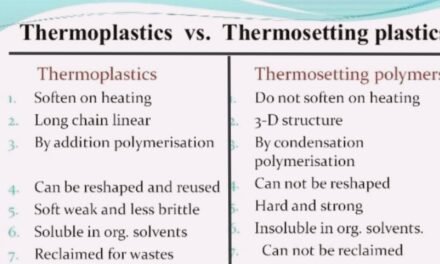
- Material Versatility: Injection molding is compatible with a wide variety of plastic materials, including thermoplastics like polypropylene, ABS, polycarbonate, and nylon, as well as thermosets like epoxy and phenolic resins.
- Material Properties: Plastics can be chosen to meet specific requirements, such as high strength, heat resistance, chemical resistance, flexibility, or optical clarity. This allows manufacturers to produce parts for a wide range of applications, from automotive to electronics, medical devices, and consumer products.
6. Cost-Effectiveness for High-Volume Production
- Economical for Large Runs: Although the initial setup costs for molds and equipment can be high, injection molding becomes very cost-effective for large production runs because the unit cost per part decreases significantly as production volume increases. This makes it ideal for industries that require high-volume manufacturing, such as automotive parts, consumer electronics, and packaging.
7. Enhanced Surface Finish
- Quality Surface Texture: The molds used in injection molding can be finished with smooth surfaces, and the final parts often require little or no additional finishing. The plastic material can also be molded with a variety of textures or colors, offering excellent aesthetic appeal for consumer products.
- Incorporation of Labels or Graphics: In-mold labeling (IML) and in-mold decorating (IMD) are techniques used to directly embed graphics, logos, or labels onto the molded part during production, eliminating the need for additional post-processing.
Conclusion
Injection molding is a highly efficient, precise, and versatile manufacturing process that offers numerous advantages, including cost-effectiveness, speed, design flexibility, and minimal waste. It is ideal for producing complex, high-volume parts that require consistent quality and can accommodate a wide range of materials to meet specific performance requirements. As a result, injection molding is widely used in industries ranging from automotive and consumer electronics to medical devices and packaging, making it one of the most important manufacturing techniques for plastic components.
Hashtags
#InjectionMolding #PlasticInjectionMolding #MoldingTechnology #PlasticComponents #ManufacturingInnovation #PlasticProduction #PrecisionMolding #CostEfficientManufacturing #InjectionMoldedParts #HighVolumeProduction #MoldDesign #InjectionMoldingAdvantages #PlasticManufacturing #CustomPlasticParts #MoldedPlasticComponents #SustainableManufacturing #AdvancedMoldingTech