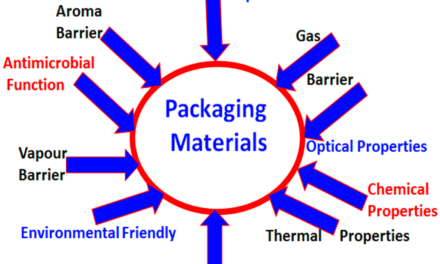
The selection of plastic materials for electrical components is a critical decision, as the material needs to meet specific performance criteria to ensure safety, durability, and efficiency in electrical applications. Several factors influence this decision, ranging from electrical properties to mechanical performance and environmental considerations. Here are the key factors that influence the choice of plastic materials for electrical component manufacturing:
1. Electrical Insulation Properties
- Electrical Insulation: One of the most important factors when selecting plastics for electrical components is their ability to act as insulators. Plastics used in electrical applications must have high dielectric strength, which allows them to withstand high voltages without breaking down. Materials with low dielectric loss are ideal for high-frequency applications.
- Common Plastics: Materials like polycarbonate (PC), polyethylene (PE), polyvinyl chloride (PVC), and epoxy are commonly used for their excellent electrical insulating properties.
Example: PVC is widely used for insulation of wires and cables due to its low conductivity and ability to withstand electrical stress.
2. Thermal Stability and Heat Resistance
- Heat Resistance: Electrical components often generate heat during operation, and the materials used must withstand high temperatures without degrading. The glass transition temperature (Tg) and melting point of the plastic material are crucial in determining its suitability for high-temperature applications.
- Thermal Conductivity: Some electrical components, such as heat sinks and motor housings, require materials with good thermal conductivity to dissipate heat efficiently. Conversely, components that require electrical insulation will need low thermal conductivity to maintain performance.
Common Plastics: Polyamide (PA), polyphenylene oxide (PPO), polyimide (PI), and PBT (polybutylene terephthalate) are often chosen for their high heat resistance and thermal stability.
Example: Polyamide (PA) is often used for connectors and electrical housings because of its ability to withstand high temperatures and provide mechanical stability.
3. Mechanical Strength and Durability
- Mechanical Properties: The plastic material must provide sufficient strength and rigidity to protect delicate electrical components, especially in high-stress environments. Materials must resist impact, abrasion, and wear, particularly for components subject to movement or handling, such as switches, connectors, and circuit breakers.
- Long-Term Durability: Plastics used in electrical components should be able to withstand long-term environmental exposure without degrading or losing performance over time. UV resistance and resistance to chemicals are important in maintaining the durability of outdoor or industrial components.
Common Plastics: Polycarbonate (PC), acrylonitrile butadiene styrene (ABS), and polyester (PET) offer good impact resistance, durability, and mechanical strength.
Example: Polycarbonate (PC) is commonly used for electrical enclosures because of its toughness, impact resistance, and ability to withstand mechanical stress.
4. Chemical Resistance
- Exposure to Chemicals: Electrical components may be exposed to oils, fuels, cleaning agents, and other chemicals. The plastic material selected must resist chemical degradation to ensure long-lasting performance. Materials with high chemical resistance are required for outdoor applications, electrical connectors, and switchgear.
Common Plastics: PTFE (Polytetrafluoroethylene), PBT (Polybutylene Terephthalate), and PVC are known for their chemical resistance.
Example: PTFE is used in insulation of wiring and cable coatings for its excellent resistance to a wide range of chemicals.
5. Flame Retardancy and Fire Resistance
- Flame Retardancy: Electrical components are subject to strict fire safety regulations, and the materials used must be flame retardant. Plastics used in electrical components must have the ability to prevent or slow the spread of fire, especially in high-voltage or high-heat environments.
- Regulations and Standards: Materials must meet specific fire resistance standards like UL 94, which tests materials for flammability, and IEC 60332 for fire safety.
Common Plastics: Polycarbonate (PC), PVC, PBT, and ABS can be formulated with flame retardant additives to meet safety requirements.
Example: Flame-retardant PVC is used in the wires and cables of electrical systems to meet fire safety standards.
6. Cost-Effectiveness
- Cost of Material: The selection of plastic also depends on the cost-effectiveness of the material. Materials like PVC and polyethylene are relatively low-cost compared to high-performance materials like polyimide or PTFE. Manufacturers must balance the performance requirements with the budgetary constraints of the electrical component.
- Mass Production: For mass-produced components like wiring, cables, and plastic housings, cost-efficient materials that still meet safety and performance standards are essential.
Example: PVC is a commonly used material for cable insulation because it is inexpensive and offers adequate electrical insulation for many applications.
7. Processability and Molding Characteristics
- Ease of Manufacturing: The chosen plastic material must be easy to process and mold into complex shapes, especially for intricate electrical components like connectors, circuit boards, and switches.
- Injection Molding: Materials that can be easily processed by injection molding or extrusion are often preferred for high-volume production. Materials with good flowability and the ability to retain shape after molding are important considerations.
Common Plastics: ABS, polypropylene (PP), and nylon (PA) are widely used due to their excellent moldability and ability to retain precise shapes during manufacturing.
Example: ABS is often used in plastic connectors and switch enclosures due to its moldability and high finish quality.
8. Environmental Considerations
- Recyclability: As sustainability becomes more important in manufacturing, selecting plastics that can be easily recycled or are bio-based is gaining traction. Materials like bio-polyethylene or recycled plastics are increasingly used to meet environmental regulations and reduce the carbon footprint of electrical components.
- End-of-Life Considerations: Materials should be selected with consideration for end-of-life disposal, ensuring that they can be properly recycled or disposed of with minimal environmental impact.
Example: Polyethylene (PE), being one of the most recyclable plastics, is increasingly used in wires and cables to improve sustainability.
Conclusion
When selecting plastic materials for electrical components, manufacturers must consider a range of factors, including electrical insulation properties, heat resistance, mechanical strength, chemical resistance, flame retardancy, and cost-effectiveness. Additionally, sustainability and processability are important in ensuring that the materials are both environmentally friendly and efficient to produce. ABS, PVC, polyethylene, and polycarbonate are commonly used in electrical applications, each offering distinct advantages based on the specific needs of the component being produced.
Hashtags
#ElectricalComponents #PlasticMaterials #ElectricalPlastic #MaterialSelection #PlasticInElectronics #ElectricalEngineering #PlasticForElectronics #DurablePlastics #HighPerformancePlastics #InsulatingMaterials #ElectricalInsulation #PlasticProperties #PlasticsInTechnology #ThermoplasticMaterials #PlasticInnovation #ElectronicsManufacturing #SustainablePlastics