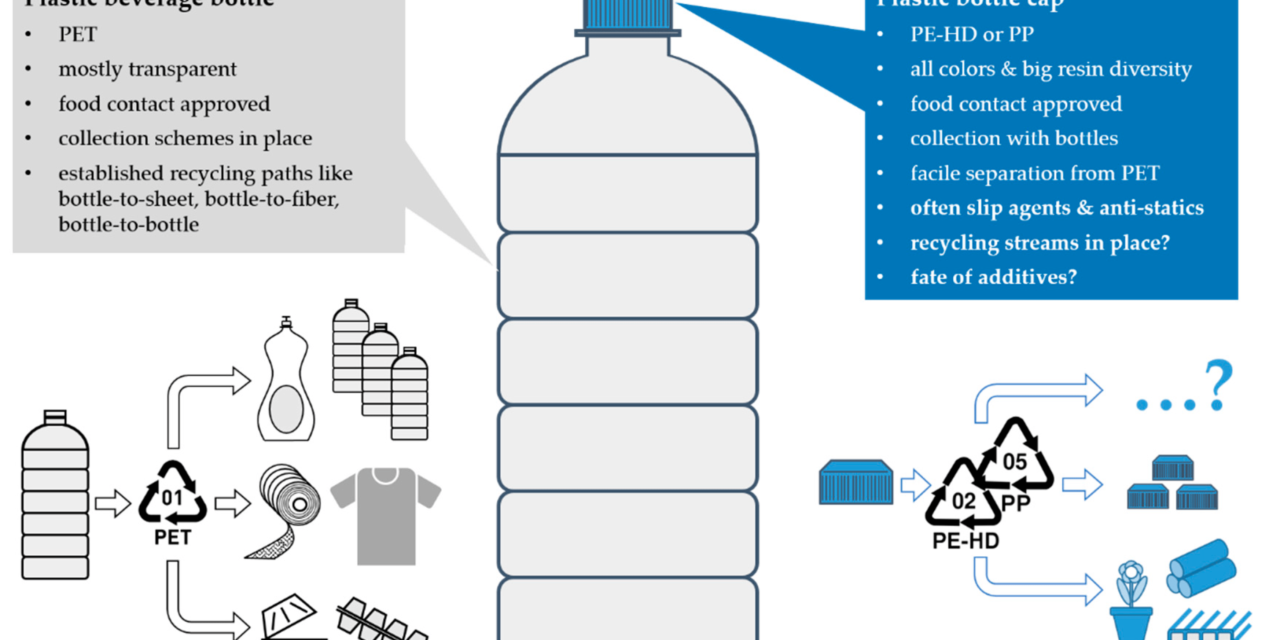
Bottle caps and plastic lids undergo a variety of rigorous tests to ensure their quality, performance, and safety. These tests are designed to evaluate durability, fit, and sealing efficiency, ensuring that the cap performs its function effectively throughout the product’s lifecycle—from manufacturing through transportation to consumer use. Below are the main types of tests involved in evaluating bottle caps and plastic lids:
1. Durability Testing
A. Drop Test
- Purpose: To simulate the impact a cap might experience during handling, transportation, or accidental drops.
- Procedure:
- A bottle with a cap is dropped from a specific height (typically 1 meter) onto a hard surface (like concrete or steel).
- The bottle and cap are inspected for cracks, fractures, or compromised sealing.
- Standards: Often adheres to ASTM D5276 (Standard Test Method for Drop Test of Loaded Containers).
- Applications: Ensures that the cap can withstand normal physical stresses without failure.
B. Compression Test
- Purpose: To evaluate how well a cap maintains its structure when subjected to vertical pressure.
- Procedure:
- The cap is placed in a compression testing machine, which applies pressure until the cap deforms or fails.
- The amount of pressure and the point of deformation are recorded to determine the cap’s maximum load-bearing capacity.
- Applications: Particularly relevant for evaluating caps designed for stacking or storage under pressure.
C. Repeated Use Test
- Purpose: To assess how well the cap can withstand repeated opening and closing.
- Procedure:
- The cap is opened and closed repeatedly (usually several hundred or thousands of times) to simulate the user experience.
- The cap is checked for wear, cracking, and sealing degradation.
- Applications: Important for beverage caps and containers that need to be resealed after each use (e.g., pharmaceutical or food containers).
2. Fit and Compatibility Testing
A. Thread Fit and Tightness
- Purpose: To ensure that the threads on the cap align and engage properly with the bottle neck threads, creating a secure and consistent fit.
- Procedure:
- The cap is placed on a bottle, and the ease of application (how smoothly the cap twists onto the bottle) and tightness of the seal are measured.
- Torque measurements are often taken to verify that the correct amount of force is applied when the cap is screwed on, ensuring the right fit and preventing over-tightening.
- Standards: This test may follow guidelines set by ISO 8124 (Packaging materials—Plastic containers and closures).
- Applications: Ensures that screw caps, twist-off lids, and snap-fit designs function correctly.
B. Cap Fit and Seal Evaluation
- Purpose: To verify that the cap fits snugly and forms a proper seal on the container.
- Procedure:
- Visual inspection is performed to assess whether the cap sits flush with the bottle or container.
- Sealing efficiency is checked through tests such as pressure, leakage, or drop tests (depending on product type).
- Applications: Critical for food, beverage, and pharmaceutical packaging where leaks could lead to contamination or spoilage.
3. Sealing Efficiency Testing
A. Leak Test
- Purpose: To verify that the cap prevents any leakage of liquid or gas under normal conditions.
- Procedure:
- The filled bottle (or container) is sealed with the cap, and the entire assembly is subjected to pressurization or vacuum conditions (depending on the application).
- The bottle is inspected for any leakage of air or liquid, typically using an air leak detector or pressure decay method.
- Standards: This test follows ASTM D4169 for transportation simulation, ensuring the seal remains intact during the bottle’s journey from the manufacturer to the consumer.
- Applications: Essential for carbonated beverages, pharmaceutical liquids, and household chemicals that require an airtight seal.
B. Torque and Tightness Testing
- Purpose: To ensure that the cap provides the correct seal tightness and stays securely fastened.
- Procedure:
- The torque required to open the cap is measured, ensuring that it is neither too tight (which can cause thread damage) nor too loose (which can lead to leaks).
- This test also checks if the seal integrity is maintained after the cap is applied.
- Applications: Used for products like beverages, medications, and personal care items.
C. Pressure and Vacuum Resistance Test
- Purpose: To check the cap’s resistance to internal pressure or vacuum, ensuring it maintains its seal under extreme conditions.
- Procedure:
- The sealed bottle or container is subjected to high internal pressure (for carbonated beverages) or a vacuum (for products like pharmaceuticals) to test if the cap holds the pressure without leaking or deforming.
- Applications: Common in carbonated drinks, pressurized sprays, and vacuum-sealed products like jars or medical vials.
4. Environmental Resistance Testing
A. Temperature Cycling Test
- Purpose: To assess the cap’s performance under temperature fluctuations, which can occur during transportation or storage.
- Procedure:
- The sealed bottle with the cap is subjected to extreme temperature changes (e.g., freezing to high heat) to simulate real-world conditions such as transport in hot or cold climates.
- The cap is evaluated for any loss of sealing efficiency, cracks, or deformation after several cycles.
- Applications: Important for food and beverage packaging that might be exposed to temperature extremes, such as during shipping or in households with variable temperatures.
B. UV Resistance Testing
- Purpose: To determine the cap’s ability to withstand prolonged exposure to ultraviolet (UV) light, which can cause plastics to degrade or weaken.
- Procedure:
- The cap is exposed to UV radiation in a UV chamber for a set period.
- Changes in the cap’s appearance, mechanical strength, and sealing capability are assessed.
- Applications: Crucial for outdoor products or containers that may be exposed to sunlight, such as beverages or cosmetics that are sold in clear plastic bottles.
5. Consumer Usability Testing
A. Ease of Opening
- Purpose: To ensure that the cap is easy for consumers to open while still being secure enough to prevent leakage.
- Procedure:
- Ergonomic testing assesses whether the cap design is user-friendly, especially for people with limited strength or dexterity (e.g., elderly or disabled individuals).
- The effort required to open the cap is measured and compared to consumer expectations.
- Applications: Relevant for beverage caps, pharmaceutical containers, and cosmetic products.
6. Tamper-Evident and Child-Resistant Testing
A. Tamper-Evident Functionality Test
- Purpose: To verify that tamper-evident features (e.g., breakaway rings, induction seals) work correctly to show signs of product tampering.
- Procedure:
- The cap and seal are tested to ensure they break or show visible signs of tampering when the cap is removed.
- Applications: Critical for food, beverage, and pharmaceutical products to maintain product integrity.
B. Child-Resistant Testing
- Purpose: To ensure the cap’s child-resistant mechanism works effectively.
- Procedure:
- The cap is tested on a group of people (typically, both adults and children) to ensure that children cannot open the cap, but adults can do so easily.
- Applications: Used in pharmaceuticals, household chemicals, and alcoholic beverages.
The testing of bottle caps and plastic lids ensures that they meet the necessary standards for durability, fit, and sealing efficiency. These tests include:
- Drop, compression, and repeated use tests for durability.
- Leak tests and torque testing to ensure sealing efficiency.
- Temperature cycling and UV resistance tests for environmental conditions.
- Ease of use and ergonomic testing to assess consumer convenience.
- Child-resistant and tamper-evident tests to ensure safety.