Plastic sealing devices are essential in various industries for packaging, containment, and product integrity. These devices create airtight, watertight, or tamper-proof seals for plastic sheets, films, and containers. Here are the most common types of plastic sealing devices used across industries:
1. Heat Sealers
Heat sealers use heat and pressure to bond plastic materials, creating a secure seal.
Types:
- Impulse Heat Sealers:
- Use brief pulses of heat to melt and bond plastics.
- Suitable for polyethylene (PE), polypropylene (PP), and other thermoplastics.
- Applications: Sealing bags, pouches, and packaging films.
- Constant Heat Sealers:
- Maintain continuous heat for sealing.
- Ideal for thicker or multilayer materials like laminated pouches.
- Applications: Medical packaging, food-grade films.
- Bar Sealers:
- Apply heat through flat or serrated bars.
- Applications: Bulk industrial packaging, heavy-duty bags.
Industries:
- Food and beverage
- Medical and pharmaceutical
- Retail and e-commerce
2. Ultrasonic Sealers
Ultrasonic sealers use high-frequency vibrations to generate heat at the interface of the materials, bonding them without external heat.
Advantages:
- Precise and clean seals without melting.
- Suitable for heat-sensitive materials.
- Works well on rigid and flexible plastics.
Applications:
- Medical devices and sterile packaging.
- Automotive components.
- Electronics casings.
Industries:
- Medical and healthcare
- Automotive
- Electronics
3. Hot Air and Hot Wedge Sealers
These sealers use hot air or a heated wedge to soften and bond plastic materials.
Applications:
- Sealing large, heavy-duty plastic sheets, such as tarps, geomembranes, and industrial liners.
- Joining materials in roofing, construction, and agriculture.
Industries:
- Construction
- Agriculture
- Waste management
4. Vacuum Sealers
Vacuum sealers remove air before sealing plastic materials, creating a vacuum-packed seal.
Advantages:
- Extends shelf life by reducing oxygen exposure.
- Provides tamper-evident and space-saving seals.
Applications:
- Food packaging (e.g., meat, cheese, and coffee).
- Electronics and industrial component protection.
Industries:
- Food and beverage
- Electronics
- Pharmaceuticals
5. Shrink Wrapping Machines
Shrink wrapping machines use heat to shrink plastic film tightly around a product.
Types:
- L-Bar Sealers:
- Combine sealing and shrinking in one step.
- Applications: Retail packaging, gift sets.
- Flow Wrappers:
- Continuously wrap and seal items.
- Applications: High-speed production lines.
Advantages:
- Provides secure and aesthetic wrapping.
- Protects against dust, moisture, and tampering.
Industries:
- Retail and consumer goods
- Food and beverage
- Logistics
6. Plastic Welding Machines
Plastic welding devices join plastic materials using heat, pressure, or a combination of both.
Types:
- Hot Plate Welders:
- Use heated plates to melt plastic surfaces before bonding.
- Applications: Automotive parts, storage tanks.
- Spin Welders:
- Rotate one plastic part against another to create frictional heat for welding.
- Applications: Circular components like caps and filters.
- Extrusion Welders:
- Use extruded molten plastic to join sheets or panels.
- Applications: Industrial liners, geomembranes.
Industries:
- Automotive
- Construction
- Industrial manufacturing
7. RF (Radio Frequency) Sealers
RF sealers use electromagnetic energy to generate heat within the plastic material, bonding it at the molecular level.
Advantages:
- Provides strong, uniform seals.
- Suitable for PVC and polyurethane materials.
Applications:
- Medical bags and bladders.
- Inflatable products.
- High-strength seals for industrial applications.
Industries:
- Medical and healthcare
- Outdoor and recreational products
8. Handheld and Portable Sealers
Compact, portable devices for quick and convenient sealing.
Types:
- Battery-powered impulse sealers.
- Hot air welders for small-scale applications.
Applications:
- On-site repairs of plastic sheets or tarps.
- Low-volume packaging.
Industries:
- Agriculture
- Construction
- Emergency and field services
9. Adhesive-Based Sealers
Devices that apply adhesive tapes, films, or liquid adhesives for sealing plastic materials.
Types:
- Hot-Melt Adhesive Applicators:
- Use heated glue to bond plastics.
- Cold Adhesive Systems:
- Apply pressure-sensitive adhesives (PSAs) for lightweight seals.
Applications:
- Temporary sealing.
- Custom-shaped packaging.
Industries:
- Retail
- Construction
- Logistics
10. Zip and Clip Sealers
Mechanical sealers for creating reusable seals.
Applications:
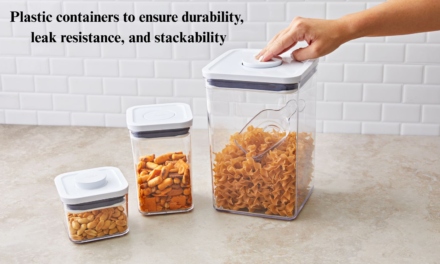
- Zippered pouches for food storage.
- Clip seals for temporary packaging.
Industries:
- Consumer goods
- Food and beverage
Emerging Trends in Plastic Sealing Devices
- Automation:
- Integration of sealing devices into automated production lines for higher efficiency.
- Example: Automated impulse sealers in high-volume food packaging.
- Sustainability:
- Devices optimized for biodegradable plastics and recyclable materials.
- Example: RF sealers adapted for PLA-based films.
- Digital Controls:
- Smart sealers with temperature, pressure, and time controls for precision sealing.
- Energy Efficiency:
- Development of low-energy ultrasonic and heat-sealing devices.
- Compact and Portable Solutions:
- Growth in handheld devices for on-site applications in agriculture and construction.