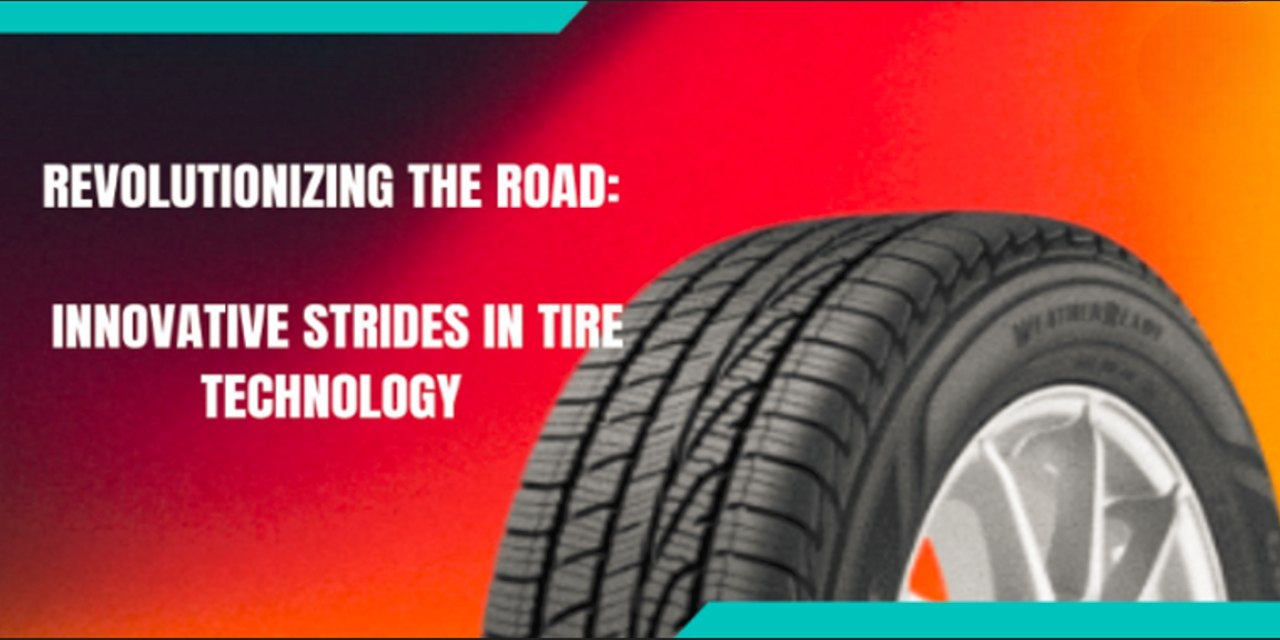
Innovations in tire technology aimed at improving fuel efficiency and reducing carbon emissions have become a critical focus for the automotive and tire industries. Tires play a significant role in vehicle fuel economy, as they directly impact rolling resistance, which determines how much energy is required for a vehicle to maintain speed. Lower rolling resistance not only improves fuel efficiency but also reduces overall carbon emissions. Below are some of the key innovations in tire technology that help achieve these goals:
1. Low Rolling Resistance (LRR) Tires
- Technology: Low Rolling Resistance tires are specifically designed to reduce the energy loss that occurs when the tire rolls on the road. This is achieved by using specialized tread compounds, optimized tread patterns, and advanced tire construction.
- How It Works: LRR tires use softer rubber compounds in the tread and stiffer sidewalls to minimize the energy absorbed by the tire during rolling. This reduction in energy absorption results in lower fuel consumption and improved fuel efficiency.
- Impact on Carbon Emissions: By reducing the amount of fuel needed to power a vehicle, LRR tires directly contribute to lowering carbon emissions associated with vehicle operation.
Examples:
- Eco-focused tires such as Michelin Energy Saver or Bridgestone Ecopia are examples of LRR tires that focus on reducing rolling resistance while maintaining tire performance in terms of grip and durability.
2. Use of Silica in Tread Compounds
- Technology: The inclusion of silica in tire tread compounds is one of the most significant innovations in tire technology aimed at improving fuel efficiency. Silica replaces carbon black in the tread mixture, which helps to reduce rolling resistance while enhancing wet traction.
- How It Works: Silica has lower hysteresis (the energy lost as heat when the tire deforms), which reduces rolling resistance. It also enhances wet traction and fuel efficiency by allowing the tire to maintain better contact with the road in wet conditions, reducing the risk of hydroplaning.
- Impact on Carbon Emissions: Silica-enhanced tires offer better fuel economy, resulting in lower carbon emissions over the lifetime of the tire.
Examples:
- Goodyear Fuel Max and Continental EcoContact are examples of tires using silica in their compounds to achieve reduced rolling resistance and improved fuel economy.
3. Tire Pressure Monitoring Systems (TPMS)
- Technology: Tire Pressure Monitoring Systems (TPMS) alert drivers when tire pressure is low, which can lead to increased rolling resistance and reduced fuel efficiency.
- How It Works: TPMS uses sensors in each tire to monitor tire pressure. When pressure drops below the recommended level, the system alerts the driver, prompting them to inflate the tire to the proper pressure.
- Impact on Fuel Efficiency and Carbon Emissions: Under-inflated tires have higher rolling resistance, which leads to higher fuel consumption. By maintaining optimal tire pressure, TPMS helps reduce fuel usage and therefore carbon emissions.
Examples:
- TPMS is a standard feature in most modern vehicles, ensuring that tires are always properly inflated to optimize fuel efficiency and performance.
4. Optimized Tread Patterns
- Technology: Tire manufacturers are increasingly designing tires with optimized tread patterns that are specifically engineered to reduce rolling resistance without sacrificing performance in wet or snowy conditions.
- How It Works: The design of the tire tread, including the arrangement of grooves and voids, is modified to reduce friction while still providing adequate traction. A smoother tread with fewer grooves reduces the surface area in contact with the road, resulting in lower rolling resistance.
- Impact on Fuel Efficiency and Carbon Emissions: Tires with optimized tread patterns reduce friction and energy loss, improving fuel efficiency and lowering carbon emissions over the lifetime of the vehicle.
Examples:
- Michelin CrossClimate and Pirelli Cinturato offer innovative tread designs that balance low rolling resistance with enhanced traction on wet and dry roads.
5. Airless Tires
- Technology: Airless tires (or non-pneumatic tires) are a relatively new innovation where tires are designed without air, instead using a solid structure or a combination of rubber and plastic materials that can maintain their shape without air pressure.
- How It Works: Airless tires eliminate the need for inflation, meaning they maintain a consistent shape and performance level throughout their lifespan. They are designed to offer similar comfort and durability as traditional pneumatic tires, but without the risk of punctures or air pressure fluctuations.
- Impact on Fuel Efficiency and Carbon Emissions: Airless tires eliminate the fuel consumption increase caused by low tire pressure and potentially reduce material waste as they last longer than traditional tires. However, their environmental impact is still being evaluated, particularly in terms of material sustainability and recyclability.
Examples:
- Michelin Uptis (Unique Puncture-proof Tire System) and Bridgestone Air-Free Concept are examples of airless tires being developed for consumer and commercial use.
6. Use of Recycled Materials in Tire Production
- Technology: Tire manufacturers are increasingly turning to recycled materials such as recycled rubber, recycled carbon black, and recycled steel in tire construction to reduce the environmental impact of tire production.
- How It Works: Recycled rubber from old tires can be incorporated into the tread or sidewalls of new tires, while recycled carbon black is used as a substitute for virgin carbon black in the rubber compound. Recycled steel wire from old tires is reused in the steel belts of new tires.
- Impact on Carbon Emissions and Sustainability: Using recycled materials reduces the need for virgin resources and lowers the carbon footprint of the tire manufacturing process, making tire production more sustainable. Additionally, this reduces the environmental impact of tire disposal.
Examples:
- Goodyear and Bridgestone have developed recycled tire programs, which incorporate recycled materials into their tire products, helping to reduce waste and promote a circular economy.
7. Advanced Manufacturing Processes
- Technology: Advanced manufacturing techniques, such as 3D printing, robotic automation, and AI-driven production, are helping manufacturers optimize tire production for efficiency and sustainability.
- How It Works: 3D printing allows for more precise designs and customized production of tire components, reducing material waste and energy consumption. AI-driven production helps improve tire performance by simulating real-world conditions and optimizing tire design for fuel efficiency and low emissions.
- Impact on Carbon Emissions: These technologies reduce waste in manufacturing, cut energy consumption, and improve tire performance, leading to lower carbon emissions across the production process.
8. Advanced Rubber Compounds
- Technology: The development of advanced rubber compounds is one of the key innovations in reducing rolling resistance and improving tire efficiency. These compounds are engineered to provide optimal balance between durability, traction, and fuel efficiency.
- How It Works: Manufacturers use specially formulated compounds that optimize the tire’s chemical composition, allowing it to maintain strength and performance while reducing rolling resistance. These compounds may include bio-based materials, silica, or other innovative additives.
- Impact on Fuel Efficiency and Carbon Emissions: Advanced rubber compounds improve tire performance, contributing to better fuel economy and lower emissions over the lifetime of the tire.
Conclusion
Tire manufacturers are adopting a variety of innovations aimed at improving fuel efficiency and reducing carbon emissions. Technologies such as low rolling resistance tires, silica-enhanced tread compounds, airless tires, and the use of recycled materials are making significant strides in making tires more sustainable and energy-efficient. Additionally, advancements in tire design, smart technologies, and green manufacturing processes are all contributing to a reduction in the environmental impact of tire production and use. As the demand for eco-friendly and sustainable products increases, these innovations are expected to play a vital role in achieving global carbon reduction and energy efficiency goals.
Hashtags
#FuelEfficientTires #EcoTires #LowRollingResistance #SustainableTires #CarbonEmissionsReduction #GreenTires #EcoFriendlyTireTechnology #TireInnovation #EnergyEfficientTires #TireTech #CarbonNeutralTires #SustainableMobility #LowEmissionTires #TireManufacturingInnovation #EcoConsciousTires #TireSustainability #GreenDriving