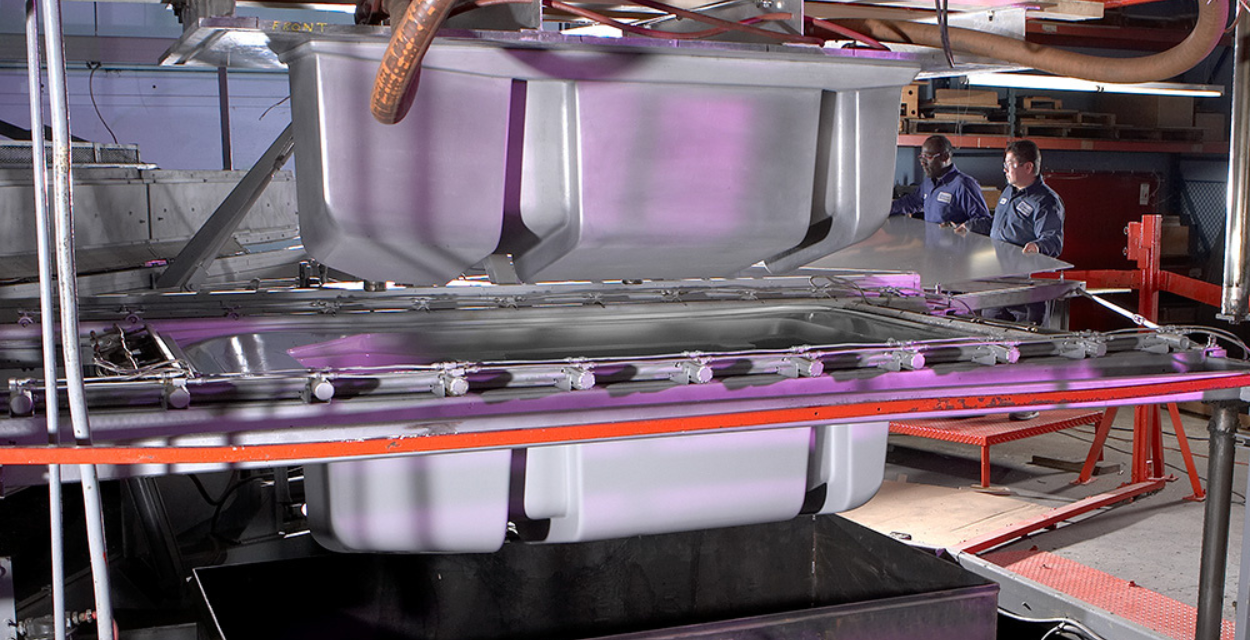
Thermoforming is a widely used plastic manufacturing process that involves heating a plastic sheet and shaping it using molds. It is a cost-effective method for producing various products, from packaging to automotive components. However, thermoforming can sometimes result in defects that affect the quality and functionality of the final product. Understanding these defects and how to prevent them is essential for maintaining production efficiency and product reliability.
Common Defects in Thermoforming and Their Causes
1. Webbing (Wrinkles & Excess Material)
- Cause: Poor mold design, excessive material usage, or incorrect forming pressure.
- Prevention:
- Optimize mold design with proper draft angles.
- Use plug assists to distribute material evenly.
- Adjust forming temperature and vacuum pressure.
2. Burn Marks & Overheating
- Cause: Excessive heat exposure or prolonged heating times.
- Prevention:
- Reduce heating time or temperature.
- Ensure uniform heat distribution with proper heater placement.
- Keep an optimal distance between the material and heating elements.
3. Thin or Uneven Wall Thickness
- Cause: Poor material distribution, incorrect heating, or insufficient vacuum pressure.
- Prevention:
- Adjust material thickness and heating settings.
- Use plug assists to control material stretching.
- Increase vacuum pressure for better mold conformity.
4. Chill Marks (Cold Spots)
- Cause: Uneven heating or premature cooling.
- Prevention:
- Improve heat distribution using efficient heaters.
- Adjust mold temperature and airflow.
- Use pre-heating techniques for better material flexibility.
5. Poor Detail Definition
- Cause: Low forming temperature or weak vacuum pressure.
- Prevention:
- Increase material temperature before forming.
- Enhance vacuum pressure and improve mold venting.
- Use plug assists to aid in forming deep-draw parts.
6. Tearing & Cracking
- Cause: Excessive material stretching or low flexibility.
- Prevention:
- Increase forming temperature to improve plastic flexibility.
- Adjust mold design to reduce material stress.
- Use high-quality plastic with better elongation properties.
7. Bubbles & Blistering
- Cause: Moisture in the plastic sheet or overheating.
- Prevention:
- Pre-dry moisture-sensitive plastics like PET.
- Reduce heating temperature and ensure even heat distribution.
8. Orange Peel Effect (Rough Surface)
- Cause: Inconsistent heating causing uneven material softening.
- Prevention:
- Use gradual heating to prevent uneven thermal expansion.
- Ensure smooth surface quality before forming.
9. Vacuum Leaks & Poor Adhesion
- Cause: Weak vacuum pressure or air leaks in the mold.
- Prevention:
- Check vacuum system for leaks or blockages.
- Increase vacuum pressure and improve mold venting.
10. Warping & Shrinkage
- Cause: Uneven cooling or internal stresses in the material.
- Prevention:
- Use uniform cooling techniques.
- Optimize mold temperature and material selection.
- Reduce excessive stretching during forming.
Conclusion
Thermoforming defects can lead to waste, increased production costs, and lower product quality. However, most of these defects can be prevented through proper material selection, optimized heating and cooling, and well-designed molds. By controlling critical process parameters, manufacturers can enhance the precision and durability of thermoformed parts, ensuring high-quality products with minimal defects.
Hashtags
#Thermoforming #ManufacturingDefects #PlasticDefects #QualityControl #ProductionOptimization #DefectPrevention #ManufacturingSolutions #IndustrialMolding #PlasticProcessing #ThermoformingTips #PlasticManufacturing #EfficiencyMatters #TroubleshootingDefects #ManufacturingExcellence #QualityAssurance #ProcessImprovement #LeanManufacturing #ProductionEfficiency #MaterialScience #InjectionMolding #SustainableManufacturing #FactoryAutomation #ProcessOptimization #ProductQuality #ManufacturingInnovation #QualityManagement