Thermoforming is a widely used plastic manufacturing process for producing packaging, automotive components, medical devices, and consumer products. As environmental concerns and sustainability regulations grow, thermoforming manufacturers are adopting eco-friendly practices to reduce their carbon footprint and waste. This article explores the key sustainability measures being implemented in thermoforming manufacturing.
Key Sustainability Measures in Thermoforming
1. Use of Recycled Materials
- Many thermoforming manufacturers are incorporating post-consumer recycled (PCR) and post-industrial recycled (PIR) plastics into their production.
- Materials like rPET (recycled polyethylene terephthalate) and recycled polypropylene (rPP) are commonly used in sustainable packaging.
- Closed-loop recycling systems allow manufacturers to reclaim and reuse scrap materials from the production process.
2. Biodegradable & Compostable Plastics
- Research and development efforts focus on using biodegradable plastics such as PLA (polylactic acid) and PHA (polyhydroxyalkanoates).
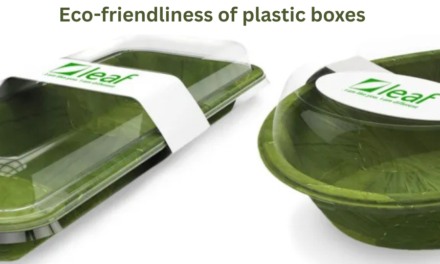
- Compostable thermoformed trays and packaging reduce landfill waste and improve end-of-life sustainability.
- Some companies are testing bio-based alternatives derived from cornstarch, sugarcane, or seaweed.
3. Lightweighting & Material Optimization
- Reducing material thickness (lightweighting) helps minimize plastic usage without compromising product strength.
- Advanced software simulations optimize part design to use less raw material while maintaining durability.
- Improved forming techniques reduce excess scrap, enhancing material efficiency.
4. Energy-Efficient Manufacturing
- Adoption of energy-efficient heating systems, such as infrared heaters, reduces energy consumption during the thermoforming process.
- Smart temperature control systems optimize heating times to prevent energy waste.
- Renewable energy sources, like solar and wind power, are increasingly being integrated into manufacturing plants.
5. Waste Reduction & Recycling Programs
- In-house recycling programs ensure that offcuts, trim waste, and rejected parts are reprocessed instead of being discarded.
- Partnerships with recycling facilities help improve the circular economy of plastic waste.
- Some manufacturers offer take-back programs where used thermoformed products are collected for recycling.
6. Water Conservation Techniques
- Closed-loop water cooling systems minimize water wastage in thermoforming operations.
- Advanced filtration and purification systems allow water reuse in production, reducing freshwater consumption.
- Some facilities incorporate rainwater harvesting systems to further conserve water resources.
7. Sustainable Packaging Initiatives
- Many companies are shifting towards minimalist packaging designs to reduce excess material usage.
- The use of mono-material packaging (e.g., 100% PET or 100% PP) improves recyclability.
- Clear labeling and recycling instructions on thermoformed packaging encourage responsible disposal by consumers.
8. Adoption of Digital & Smart Manufacturing
- Industry 4.0 technologies, such as AI and IoT, optimize process efficiency and reduce resource wastage.
- Real-time monitoring of energy usage and material consumption helps identify areas for sustainability improvements.
- 3D printing and digital prototyping reduce the need for excess material testing and mold adjustments.
9. Compliance with Environmental Regulations
- Many thermoforming manufacturers follow international sustainability standards like ISO 14001 for environmental management.
- Companies adhere to government regulations on plastic waste reduction, extended producer responsibility (EPR), and eco-friendly material usage.
- Certifications like BRCGS (Global Standard for Packaging) and FSC (Forest Stewardship Council) ensure responsible sourcing and production.
10. Consumer Awareness & Eco-Friendly Branding
- Brands are educating consumers about the recyclability of thermoformed products and sustainable disposal practices.
- Eco-labeling, such as “Made from Recycled Plastic”, encourages consumers to choose sustainable options.
- Transparent sustainability reporting helps companies showcase their commitment to green manufacturing.
Conclusion
Sustainability in thermoforming manufacturing is becoming a priority as companies seek to reduce environmental impact and meet consumer demands for eco-friendly products. By implementing measures such as recycled materials, energy efficiency, waste reduction, and biodegradable plastics, the industry is moving towards a more sustainable future. As technology advances and regulations tighten, further innovations in sustainable thermoforming will continue to shape the industry.
Hashtags
#SustainableManufacturing #Thermoforming #EcoFriendlyProduction #GreenManufacturing #RecycledPlastics #CircularEconomy #ZeroWaste #PlasticRecycling #SustainablePackaging #EcoInnovation #EnergyEfficientManufacturing #LowCarbonProduction #WasteReduction #SustainablePlastics #ManufacturingSustainability #EcoConscious #GreenTech #ResponsibleManufacturing #CleanProduction #ResourceEfficiency #BiodegradableMaterials #SustainableDesign #EnvironmentalImpact #GreenBusiness #FutureOfManufacturing #EcoFriendlyMaterials