The plastic industry utilizes a wide variety of raw materials, classified into different categories based on their properties, applications, and production methods. Here are the primary types of plastic raw materials used in the industry:
1. Thermoplastics
Thermoplastics are polymers that can be melted, reshaped, and cooled repeatedly without significant chemical changes. They are widely used due to their versatility and recyclability.
Key Thermoplastics:
- Polyethylene (PE):
- Types: Low-Density Polyethylene (LDPE), High-Density Polyethylene (HDPE), and Linear Low-Density Polyethylene (LLDPE).
- Applications: Packaging (bags, films, bottles), containers, and piping.
- Polypropylene (PP):
- Applications: Food containers, automotive parts, medical devices, and textiles.
- Polyvinyl Chloride (PVC):
- Types: Rigid (uPVC) and Flexible (fPVC).
- Applications: Pipes, flooring, medical tubing, and cable insulation.
- Polystyrene (PS):
- Types: General Purpose Polystyrene (GPPS) and Expanded Polystyrene (EPS).
- Applications: Packaging, insulation, disposable cups, and plates.
- Polyethylene Terephthalate (PET):
- Applications: Bottles, food containers, fibers for textiles, and films.
- Acrylic (Polymethyl Methacrylate, PMMA):
- Applications: Transparent barriers, automotive lights, and signage.
- Polycarbonate (PC):
- Applications: Optical lenses, safety glasses, automotive components, and electronics.
2. Thermosetting Plastics
Thermosets are materials that undergo a chemical change during molding, becoming permanently hard and inflexible. They are used where strength and heat resistance are critical.
Key Thermosetting Plastics:
- Epoxy Resins:
- Applications: Adhesives, coatings, electrical components, and composites.
- Phenolic Resins (Bakelite):
- Applications: Electrical insulators, automotive parts, and kitchenware handles.
- Polyurethane (PU):
- Applications: Foams for insulation, coatings, adhesives, and elastomers.
- Melamine Formaldehyde (MF) and Urea Formaldehyde (UF):
- Applications: Tableware, laminates, and electrical components.
- Unsaturated Polyester Resins (UPR):
- Applications: Composites for marine, automotive, and construction industries.
3. Engineering Plastics
Engineering plastics have superior mechanical and thermal properties, making them suitable for demanding applications.
Key Engineering Plastics:
- Nylon (Polyamides, PA):
- Applications: Gears, bearings, automotive parts, and textiles.
- Acrylonitrile Butadiene Styrene (ABS):
- Applications: Automotive parts, electronics, and toys (e.g., LEGO).
- Polyoxymethylene (POM):
- Applications: Gears, bushings, and precision parts.
- Polyetheretherketone (PEEK):
- Applications: Aerospace, automotive, and medical implants.
- Polyimides (PI):
- Applications: High-temperature electronics and insulation materials.
4. Specialty Plastics
Specialty plastics are designed for unique applications requiring specific properties like biodegradability, high performance, or chemical resistance.
Key Specialty Plastics:
- Fluoropolymers (e.g., PTFE, Teflon):
- Applications: Non-stick coatings, gaskets, and electrical insulation.
- Bioplastics (e.g., PLA, PHA):
- Applications: Packaging, disposable utensils, and medical implants.
- Liquid Crystal Polymers (LCPs):
- Applications: High-performance electronic components.
- Conductive Plastics:
- Applications: EMI shielding, sensors, and conductive films.
5. Commodity Plastics
Commodity plastics are inexpensive and produced in high volumes for general-purpose applications.
Key Commodity Plastics:
- Polyethylene (PE):
- LDPE, HDPE, LLDPE (as detailed above).
- Polypropylene (PP):
- Widely used for packaging and consumer goods.
- Polyvinyl Chloride (PVC):
- Versatile applications in construction and packaging.
- Polystyrene (PS):
- Affordable and widely used for packaging and insulation.
6. Elastomers
Elastomers are rubber-like materials with high elasticity, often used for flexible applications.
Key Elastomers:
- Natural Rubber (NR):
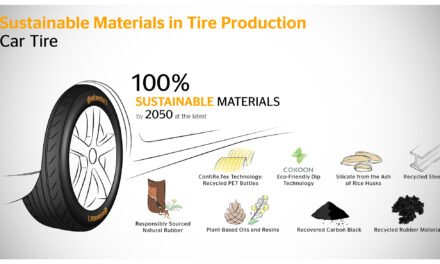
- Applications: Tires, seals, and industrial gaskets.
- Synthetic Rubber (e.g., SBR, NBR):
- Applications: Automotive tires, hoses, and footwear.
- Thermoplastic Elastomers (TPE):
- Applications: Automotive parts, medical devices, and adhesives.
7. Recycled Plastics
Recycled plastics are derived from post-consumer or post-industrial waste to promote sustainability.
Key Recycled Plastics:
- rPET (Recycled PET):
- Applications: Bottles, textiles, and packaging.
- Recycled HDPE and PP:
- Applications: Containers, automotive parts, and construction materials.
Emerging Trends in Plastic Raw Materials
- Bioplastics: Rising demand for renewable, biodegradable alternatives like PLA, PHA, and PBS.
- Recycled Materials: Increased use of recycled plastics driven by regulations and environmental concerns.
- High-Performance Polymers: Growth in engineering and specialty plastics for advanced applications.
Lightweight Materials: Use of lightweight plastics in automotive and aerospace to improve fuel efficiency.