The molecular structure of polymers—whether they are linear, branched, or cross-linked—has a significant impact on their physical properties and, therefore, their applications. The arrangement of polymer chains influences properties such as strength, flexibility, thermal resistance, and processability. Here’s how each type of molecular structure affects polymer properties and applications:
1. Linear Polymers
- Structure: Linear polymers consist of long, unbranched chains of monomers connected by covalent bonds.
- Properties:
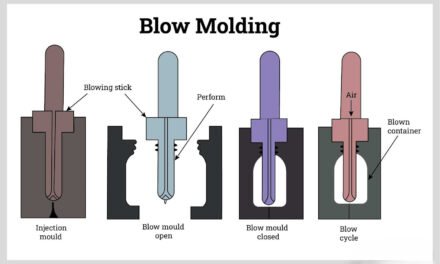
- High Processability: Due to the simple chain structure, linear polymers can be easily processed through methods like injection molding, extrusion, and blow molding.
- Flexibility: Linear polymers tend to be more flexible, but their mechanical strength is generally lower compared to cross-linked polymers.
- Low Density and High Mobility: The chains can slide past each other, giving these polymers high mobility and low density.
- Poor Heat Resistance: Linear polymers usually soften or melt at relatively low temperatures because there are no cross-links to hold the chains together.
- Examples:
- Polyethylene (PE): Used for plastic bags, bottles, and films. Linear LDPE (Low-Density Polyethylene) is more flexible, while HDPE (High-Density Polyethylene) has higher rigidity due to its more crystalline structure.
- Polypropylene (PP): Known for its low cost, chemical resistance, and flexibility, used in packaging and automotive parts.
- Applications: Linear polymers are used in packaging, textiles, films, and consumer goods where ease of processing and flexibility are important.
2. Branched Polymers
- Structure: Branched polymers have side chains (or branches) attached to the main chain. These side chains may or may not be connected to other branches of the polymer.
- Properties:
- Increased Viscosity: Due to the branching, these polymers have a higher viscosity in their molten state, which can make them harder to process than linear polymers.
- Intermediate Strength and Flexibility: Branched polymers often have a balance of flexibility and strength. They may be tougher and have better impact resistance than linear polymers.
- Reduced Crystallinity: The branches disrupt the packing of polymer chains, reducing the polymer’s crystallinity, making it less rigid and more amorphous.
- Lower Density: The presence of branches increases the volume of the polymer without significantly increasing its mass, leading to lower density compared to linear polymers.
- Lower Thermal Resistance: Similar to linear polymers, branched polymers tend to have lower heat resistance due to the lack of strong intermolecular forces.
- Examples:
- Low-Density Polyethylene (LDPE): A branched form of polyethylene with greater flexibility and pliability than HDPE.
- Polyvinyl Chloride (PVC): Branched PVC can be used for flexible pipes and flooring.
- Applications: Branched polymers are used in applications requiring a combination of strength and flexibility, such as plastic films, coatings, and insulation.
3. Cross-Linked Polymers
- Structure: Cross-linked polymers have covalent bonds forming links between polymer chains, creating a network structure. These links can form in a three-dimensional grid or lattice.
- Properties:
- Increased Strength and Rigidity: The cross-links make the polymer more rigid, with higher mechanical strength and dimensional stability. This structure is particularly useful for applications that require long-lasting durability.
- Heat Resistance: Cross-linked polymers tend to have much higher thermal stability and heat resistance compared to linear or branched polymers. The cross-links prevent the chains from sliding past each other under heat.
- Chemical Resistance: These polymers generally have higher resistance to chemicals and solvents, as the network structure is more dense and stable.
- Inelasticity: Once cross-linked, these polymers cannot be re-melted or reprocessed, which limits their recyclability but enhances their performance.
- Reduced Flexibility: Cross-linking reduces the ability of the polymer chains to move independently, making the polymer less flexible and more brittle in some cases.
- Examples:
- Epoxy Resins: Used in adhesives, coatings, and composites due to their durability and high heat resistance.
- Vulcanized Rubber: Natural or synthetic rubber undergoes vulcanization (a cross-linking process with sulfur) to create tough and elastic rubber used in tires, seals, and gaskets.
- Phenolic Resins: Used in automotive parts and electrical insulators due to their heat resistance and strength.
- Applications: Cross-linked polymers are used in high-performance applications like automotive, aerospace, construction materials, medical devices, and electrical insulators, where strength, heat resistance, and chemical resistance are critical.
Impact on Physical Properties and Applications
- Linear Polymers:
- Physical Properties: Relatively low density, flexibility, processability, and thermal sensitivity. They are less rigid and generally have lower strength than cross-linked polymers.
- Applications: Used where flexibility, cost-efficiency, and ease of processing are important, such as in packaging, consumer goods, and plastic bags.
- Branched Polymers:
- Physical Properties: They offer an intermediate level of strength and flexibility. The reduced crystallinity makes them more amorphous and less rigid than linear polymers.
- Applications: Ideal for applications needing a balance between strength and flexibility, such as in films, coatings, and insulation.
- Cross-Linked Polymers:
- Physical Properties: High rigidity, high strength, excellent thermal resistance, and chemical resistance. The cross-linking provides superior dimensional stability, but reduces flexibility.
- Applications: Best suited for high-performance applications like tires, electrical insulation, structural materials, and heat-resistant coatings.
The molecular structure of polymers—whether linear, branched, or cross-linked—determines key physical properties such as strength, flexibility, thermal resistance, and processability, which in turn dictate the applications for each type of polymer.