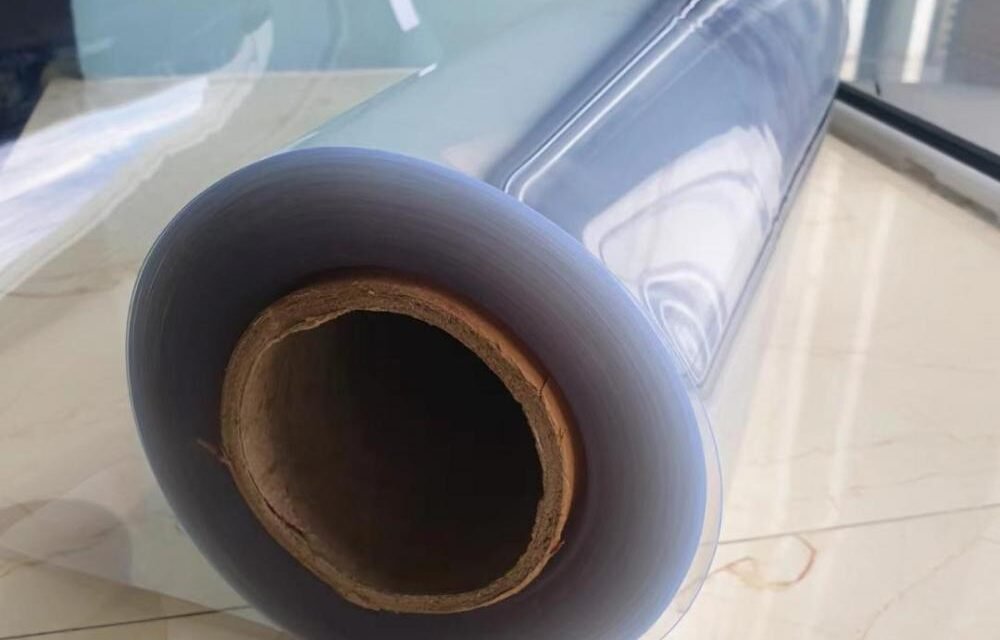
1. Food Contact Safety
Holographic films used in food-grade plastics must meet strict safety standards to ensure they do not contaminate food. Key requirements include:
- Non-Toxicity:
- The materials used in holographic films, including adhesives, coatings, and any metallization, must be non-toxic and safe for food contact.
- Migration Limits:
- Regulations specify limits on the migration of substances from holographic films into food. Testing is required to ensure compliance.
- For example, heavy metals from metallized layers or chemicals from coatings must not leach into food.
2. Key Regulatory Frameworks
- United States (FDA):
- Under the Food Contact Substance (FCS) regulations, materials must comply with 21 CFR Part 177 for indirect food additives.
- Testing is required to demonstrate that holographic films are safe for their intended use.
- Components like adhesives and coatings must also comply with 21 CFR Part 175 or 176.
- European Union (EU):
- Holographic films must comply with the EU Framework Regulation (EC) No. 1935/2004, which ensures materials do not transfer substances that could harm human health or change food composition.
- Specific guidelines under Regulation (EU) No. 10/2011 for plastic materials and articles require testing for overall migration and specific migration limits (SMLs).
- China:
- Holographic films must meet the requirements under GB 4806.1-2016 (General Safety Requirements for Food-Contact Materials) and GB 9685-2016 (Additives for Food-Contact Materials).
- Japan:
- Compliance with the Food Sanitation Act and standards set by the Ministry of Health, Labour and Welfare (MHLW) is required.
- Global Standards:
- Certifications like NSF/ANSI 51 (for food equipment materials) and ISO 22000 (food safety management systems) may also be applicable for manufacturers.
3. Testing and Certification Requirements
- Migration Testing:
- Overall Migration Limit (OML): Ensures total substances migrating from the film are below specified thresholds.
- Specific Migration Limits (SML): Focuses on specific substances like phthalates, metals, or residual solvents.
- Chemical Analysis:
- Testing for hazardous substances such as lead, cadmium, or other heavy metals in metallized layers.
- Verification of safe adhesive and lacquer compositions.
- Temperature and Use-Case Testing:
- Films must be tested for safety under the conditions they will encounter, such as freezing, microwaving, or prolonged storage.
4. Labeling and Documentation
- Declaration of Compliance (DoC):
- Manufacturers must provide a DoC to demonstrate that the holographic film complies with relevant food safety regulations.
- The DoC should include test results, materials used, and intended applications.
- Traceability:
- Holographic films must include batch-level traceability to identify and recall non-compliant materials if needed.
5. Functional Requirements
- Moisture and Barrier Properties:
- Holographic films must not compromise the protective barrier properties of food packaging.
- Durability:
- Films should maintain integrity and holographic effects during manufacturing, transportation, and storage.
6. Sustainability and Recycling Compliance
- Recyclability Standards:
- Non-metallized holographic films are preferred for food-grade applications to simplify recycling processes.
- Environmental Regulations:
- Compliance with standards like the EU Directive 94/62/EC on packaging and packaging waste or the US Resource Conservation and Recovery Act (RCRA).
7. Examples of Industry Practices
- Transparent Holographic Films:
- Non-metallized options are increasingly used to meet food safety and recyclability requirements.
- Dual-Layer Construction:
- Some holographic films are encapsulated in a protective, food-safe polymer layer to prevent direct contact with food.
8. Challenges in Compliance
- Material Complexity:
- Multi-layered holographic films require thorough testing for each component, increasing time and cost.
- Region-Specific Standards:
- Compliance requirements differ across regions, necessitating testing and certification for each target market.
- Innovation vs. Regulation:
- Introducing novel materials or features in holographic films can face delays due to lengthy approval processes.
Conclusion
Compliance with regulatory and safety standards is critical when using holographic films in food-grade plastics. Manufacturers must ensure that the materials used are safe, thoroughly tested, and certified for food contact. As demand for sustainable and functional food packaging grows, innovations like non-metallized films, biodegradable options, and eco-friendly adhesives are emerging as compliant and consumer-friendly solutions.
Hashtags
#FoodGradeCompliance #PackagingRegulations #SafeFoodPackaging #HolographicFilmStandards #RegulatoryRequirements #FoodSafePackaging #FDAApprovedMaterials #HACCPCompliance #FoodContactSafety #CertifiedMaterials #SecureAndSafeDesign #AdvancedPackagingStandards #HolographicInFoodPackaging #PerformanceAndCompliance #EcoFriendlyFoodPackaging #RecyclableFoodGradeFilms #SustainableCompliance #GreenFoodPackaging #CircularEconomyStandards #FoodPackagingSolutions #SmartPackagingCompliance #HologramsInFoodIndustry #InnovativeFoodPackaging #SecureFoodContainers #FutureOfFoodPackaging