Biodegradable plastics and traditional plastics differ significantly in terms of performance, durability, and environmental impact. These differences influence their suitability for various applications and their adoption across industries. Here’s a detailed comparison:
1. Definition and Composition
Biodegradable Plastics:
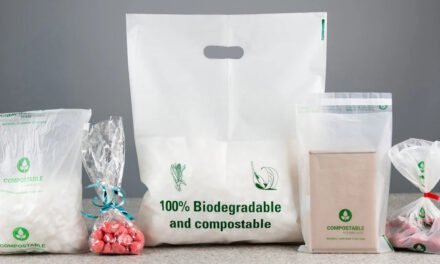
- Designed to degrade into natural substances (e.g., water, carbon dioxide, and biomass) under specific conditions (e.g., composting facilities, marine environments).
- Common materials: Polylactic Acid (PLA), Polyhydroxyalkanoates (PHA), Starch-based Plastics, and Polybutylene Adipate Terephthalate (PBAT).
Traditional Plastics:
- Derived from fossil fuels and designed for long-term use, often persisting in the environment for hundreds of years.
- Common materials: Polyethylene (PE), Polypropylene (PP), Polyvinyl Chloride (PVC), and Polystyrene (PS).
2. Performance Characteristics
A. Strength and Mechanical Properties
- Biodegradable Plastics:
- Typically less strong and durable compared to traditional plastics.
- May be brittle (e.g., PLA) or have lower tensile strength, making them unsuitable for heavy-duty applications.
- Can be blended or reinforced with other materials to improve performance.
- Example: Starch-based plastics are weaker and often blended with PBAT for better flexibility and strength.
- Traditional Plastics:
- High strength and durability across a wide range of applications.
- Withstand high stress, heavy loads, and harsh environments.
- Example: PE and PP are used for high-strength packaging and industrial applications.
B. Flexibility
- Biodegradable Plastics:
- Some, like PBAT and PHA, offer flexibility comparable to traditional plastics.
- Generally less versatile in extreme conditions.
- Traditional Plastics:
- Excellent flexibility and resilience, especially LDPE and PVC.
- Suitable for applications like films, tubing, and flexible packaging.
C. Barrier Properties
- Biodegradable Plastics:
- Limited resistance to oxygen, moisture, and UV compared to traditional plastics.
- Often used for short-term applications like food packaging but unsuitable for long-term storage.
- Example: PLA has moderate moisture barrier properties but poor oxygen resistance.
- Traditional Plastics:
- Excellent barrier properties, making them ideal for preserving perishable goods.
- Example: PET is widely used for beverage bottles due to its superior barrier properties.
3. Durability
A. Lifespan
- Biodegradable Plastics:
- Designed to degrade after use under specific conditions (e.g., industrial composting, soil).
- Shorter lifespan, particularly in humid or high-temperature environments.
- May not withstand prolonged exposure to outdoor elements unless modified.
- Traditional Plastics:
- Extremely durable and long-lasting, persisting for decades in various environments.
- Often used in applications requiring extended durability, such as construction materials and automotive parts.
B. Resistance to Environmental Factors
- Biodegradable Plastics:
- Less resistant to extreme temperatures, UV radiation, and chemical exposure.
- Susceptible to degradation when exposed to heat, moisture, or microorganisms.
- Example: PLA starts to deform at temperatures above 60°C, limiting its use in high-temperature applications.
- Traditional Plastics:
- Excellent resistance to environmental stress, including heat, moisture, and chemicals.
- Example: HDPE is resistant to both high temperatures and corrosive substances.
4. Environmental Impact
A. Degradability
- Biodegradable Plastics:
- Decompose under specific conditions, reducing environmental persistence.
- Performance depends on proper disposal; they may not degrade effectively in landfills or marine environments.
- Traditional Plastics:
- Do not degrade naturally, contributing to long-term pollution and microplastic accumulation.
B. Recycling
- Biodegradable Plastics:
- Cannot be recycled with conventional plastics, often requiring separate waste streams.
- Improper disposal can contaminate recycling systems.
- Traditional Plastics:
- Widely recyclable if managed properly, but global recycling rates remain low.
5. Cost and Scalability
A. Production Cost
- Biodegradable Plastics:
- Higher production costs due to specialized processes and reliance on bio-based feedstocks.
- Limited economies of scale compared to traditional plastics.
- Traditional Plastics:
- Lower costs due to mature production technologies and large-scale manufacturing.
B. Scalability
- Biodegradable Plastics:
- Limited production capacity and infrastructure.
- Traditional Plastics:
- Highly scalable with extensive global supply chains.
Conclusion
Biodegradable plastics offer environmental benefits by reducing long-term waste but face limitations in performance, durability, and cost compared to traditional plastics. They are ideal for short-term, single-use applications where environmental impact is a concern, such as food packaging, agricultural films, and medical disposables. However, for long-term or heavy-duty applications, traditional plastics remain the preferred choice due to their superior strength, durability, and cost-effectiveness.
The future of biodegradable plastics depends on advancements in material science to improve their properties and reduce costs, alongside the development of appropriate disposal infrastructure to maximize their environmental benefits.
Hashtags
#BioplasticsVsPlastics #SustainableVsTraditional #EcoPlasticsComparison #BiodegradableVsConventional #PlasticAlternatives #PerformancePlastics #DurableBioplastics #EcoPerformanceMaterials #StrengthAndSustainability #PlasticInnovation #EcoFriendlyPlastics #GreenAlternatives #SustainableSolutions #ReducePlasticWaste #CircularEconomy #FutureOfPlastics #MaterialInnovation #PlasticTechnology #BiodegradableMaterials #SmartMaterials #ChooseBiodegradable #PlasticFreeFuture #EcoConsciousLiving #SaveThePlanet #EcoFriendlyChoices #SustainabilityMatters #GreenTechSolutions #SmartSustainability #BuiltForTheFuture #InnovativeMaterials