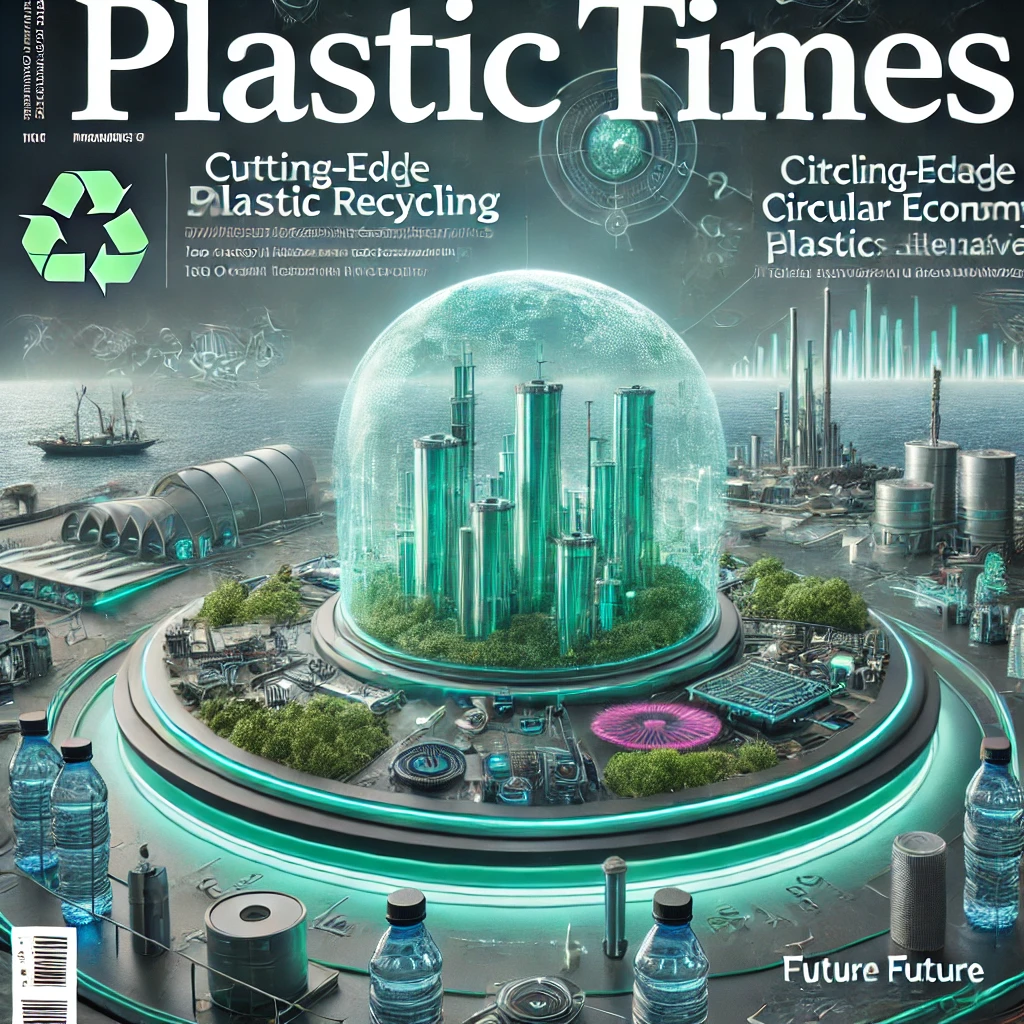
Biodegradable and compostable plastic packaging are emerging as environmentally friendly alternatives to traditional plastic packaging, driven by growing consumer demand for sustainable solutions and increasing pressure from governments and industries to address the plastic waste crisis. These materials offer the promise of reducing the environmental impact of packaging, especially in terms of waste accumulation, pollution, and resource consumption. However, their development and integration into the market come with both opportunities and challenges.
Development of Biodegradable and Compostable Plastic Packaging
1. Types of Biodegradable and Compostable Plastics
- Biodegradable Plastics: These plastics break down through the action of microorganisms (e.g., bacteria, fungi) over time, eventually turning into water, carbon dioxide, and biomass. They can be made from renewable sources like plant starches, sugars, or polyhydroxyalkanoates (PHA).
- Polylactic Acid (PLA): PLA is one of the most common biodegradable plastics, made from corn starch or sugarcane. It is used for food containers, cups, cutlery, and films. PLA breaks down under industrial composting conditions, but it can take much longer to degrade in landfills or the natural environment.
- Polyhydroxyalkanoates (PHA): PHA is a family of biodegradable plastics produced by microorganisms that consume plant sugars. It is used for packaging, agricultural films, and medical applications. PHAs degrade in soil and marine environments, making them a promising alternative to conventional plastics.
- Starch-Based Plastics: These plastics are typically made from corn starch and other plant-based materials. While they are biodegradable, they often need to be blended with other materials to enhance strength and durability.
- Compostable Plastics: Compostable plastics break down under composting conditions, typically at higher temperatures (e.g., 60°C) in a composting facility, into non-toxic materials that can be safely incorporated into the soil.
- Certified Compostable Plastics: Materials that meet compostability standards such as EN 13432 (European standard) or ASTM D6400 (U.S. standard) are considered certified compostable. These materials break down in industrial composting conditions in a specific time frame (usually within 12 weeks).
- Compostable Films: Made from PLA, PHA, and starch-based blends, these are used for food wraps, bags, and single-use containers.
2. Key Features of Biodegradable and Compostable Plastics
- Renewable Feedstocks: Most biodegradable and compostable plastics are derived from renewable plant-based sources like corn, sugarcane, potatoes, and cassava, reducing dependence on fossil fuels.
- Environmental Benefits: These plastics are designed to reduce the long-term environmental impact of plastic waste by decomposing more quickly than traditional plastics, especially in controlled composting environments.
- End-of-Life Solutions: Unlike conventional plastics, which can persist for hundreds of years, biodegradable and compostable plastics can be broken down into non-toxic components when disposed of correctly, reducing landfill accumulation and marine pollution.
Integration into the Market
1. Consumer Demand and Awareness
- As environmental concerns over plastic pollution increase, consumers are increasingly demanding sustainable alternatives to traditional plastic packaging. This has driven interest in biodegradable and compostable plastics as more sustainable options.
- Brands and retailers, particularly in the food and beverage sectors, are responding to consumer preferences by adopting biodegradable packaging to enhance their environmental credentials. For example, many coffee shops and foodservice chains are transitioning to compostable cups, straws, and cutlery.
2. Market Expansion
- The market for biodegradable and compostable plastics is growing, driven by the demand for eco-friendly packaging. Biodegradable plastic packaging is now used in food containers, grocery bags, takeout boxes, and agricultural films.
- PHA-based plastics are finding use in both single-use and long-term applications, as their properties allow them to be used for flexible packaging and medical applications like implants and sutures.
- PLA is particularly popular in beverage and food packaging, with many companies offering biodegradable cups, food packaging trays, and disposable cutlery.
3. Innovations and R&D Investment
- Research and development in the field of biodegradable plastics is ongoing, with efforts focused on improving performance (e.g., strength, heat resistance, and barrier properties) while maintaining biodegradability. New polymers, blends, and additives are being explored to enhance the functionality and cost-effectiveness of biodegradable and compostable materials.
- Companies are also investigating ways to make compostable plastics more compatible with existing recycling infrastructure, ensuring they do not hinder the recycling of other materials.
4. Regulatory Support
- Governments and organizations are playing a key role in encouraging the adoption of biodegradable and compostable packaging. Policies such as plastic bans, extended producer responsibility (EPR) programs, and tax incentives for sustainable packaging have driven increased interest in eco-friendly alternatives.
- In Europe, the European Union has introduced regulations on biodegradable and compostable plastics, promoting the use of these materials in certain applications and ensuring that they meet clear environmental standards.
- The U.S. is also adopting measures to encourage the transition to sustainable packaging through compostable packaging certification programs and guidelines for plastic reduction.
Challenges in Biodegradable and Compostable Plastic Packaging
1. Limited Recycling Infrastructure
- One of the key challenges in integrating biodegradable and compostable plastics is the lack of widespread infrastructure for composting and recycling. While industrial composting facilities are available in some regions, many areas lack the necessary systems to handle large-scale composting, which can lead to biodegradable plastics ending up in landfills or incineration.
- Additionally, compostable plastics are not compatible with traditional recycling systems, and contamination of the recycling stream can occur if these plastics are mixed with non-compostable plastics.
2. Performance and Cost
- Biodegradable plastics like PLA and PHA have unique properties, but they can often be more expensive to produce than traditional plastics. The high cost of production limits their widespread adoption, particularly for mass-market applications.
- Performance limitations of biodegradable plastics, such as their heat resistance or strength, may not meet the requirements for certain applications. For example, PLA is less heat-resistant than PET, which can limit its use in packaging for hot foods or beverages.
3. Confusion and Mislabeling
- There is confusion in the market about the difference between biodegradable and compostable plastics, and not all biodegradable plastics break down in the same way or under the same conditions. Consumers may believe they are using an eco-friendly product when it may not degrade properly or could still contribute to plastic pollution.
- Misleading labeling is also a concern. Some products labeled as “biodegradable” may still take years to break down or require specific conditions to do so, which can undermine their environmental benefits.
4. Environmental Impact of Raw Materials
- While biodegradable plastics are made from renewable resources like corn starch or sugarcane, the agricultural production of these materials can have its own environmental footprint. The use of fertilizers, pesticides, and land use changes can contribute to environmental degradation if not carefully managed.
Conclusion
Biodegradable and compostable plastic packaging represents an important step toward reducing the environmental impact of traditional plastic packaging. The industry is actively working to improve the performance and cost-effectiveness of these materials, while also addressing challenges in recycling, infrastructure, and consumer awareness. With growing regulatory support, technological advancements, and consumer demand for eco-friendly products, biodegradable and compostable plastics are likely to become an increasingly significant part of the global packaging market. However, achieving widespread adoption will require overcoming challenges related to cost, performance, and waste management.
Hashtags
#BiodegradablePackaging #EcoFriendlyPlastics #CompostablePackaging #BioBasedMaterials #GreenPackaging #SustainablePackaging #PlasticFreeFuture #EcoInnovation #EnvironmentallyFriendly #SustainabilityMatters #PackagingTechnology #MaterialInnovation #AdvancedMaterials #FutureOfPackaging #SustainableInnovation #FoodSafePackaging #RetailPackaging #ECommercePackaging #ConsumerGoodsPackaging #IndustrialPackaging #CompostableSolutions #BioplasticsRevolution #CircularEconomy #WasteFreeWorld #ReduceReuseRecycle #EcoPackaging #SustainableMaterials #GreenSolutions #PackagingIndustry #SaveThePlanet