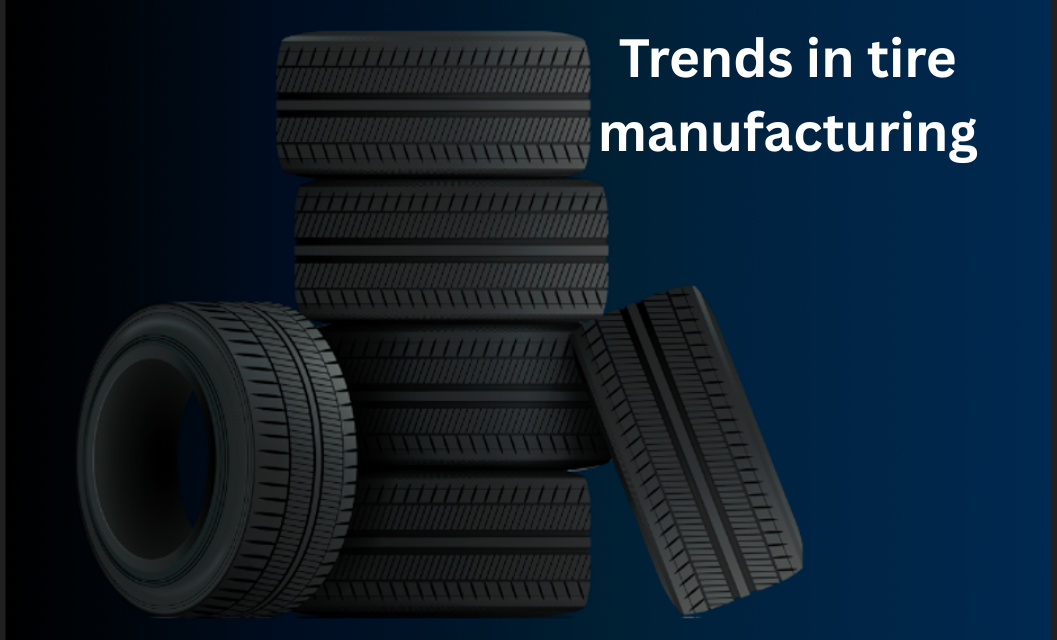
The tire manufacturing industry is continuously evolving, with emerging trends focusing on improving performance, sustainability, and technological integration. These trends encompass advancements in materials, design innovations, and the incorporation of smart technologies to meet the demands of modern vehicles, consumers, and environmental concerns. Below are some of the key emerging trends in tire manufacturing:
1. Sustainable Materials and Eco-friendly Tires
a) Sustainable Rubber Sourcing
- Natural Rubber Sourcing: There is a growing focus on sustainably sourced natural rubber, which can be produced with minimal environmental impact through responsible land-use practices. Manufacturers are collaborating with organizations like the Global Platform for Sustainable Natural Rubber (GPSNR) to ensure that rubber plantations don’t contribute to deforestation and environmental degradation.
- Synthetic Rubber Alternatives: Manufacturers are developing bio-based synthetic rubbers using renewable resources like corn or sugarcane to replace traditional petroleum-based materials. This reduces the environmental footprint of tire production by decreasing dependency on fossil fuels.
b) Recycled Materials
- Recycled Rubber: The use of recycled rubber from old tires (known as crumb rubber) in new tires is increasing. This practice helps reduce waste and conserve natural resources. Additionally, recycled carbon black (a byproduct of tire recycling) is being integrated into new tire manufacturing, reducing the need for virgin materials.
- Recycled Steel: The steel used in tires’ internal belts can be recycled, making the tire production process more resource-efficient.
c) Bio-based and Recycled Carbon Black
- Manufacturers are investigating the use of bio-based carbon black (produced from plant-derived materials like biomass) as an alternative to petroleum-derived carbon black. This reduces reliance on fossil fuels and makes tire production more sustainable.
- Recycled carbon black is another innovation that is being integrated into tire production, which involves extracting carbon black from old tires through recycling processes, reducing both waste and environmental impact.
2. Advanced Tire Designs and Performance Features
a) Low Rolling Resistance (LRR) Tires
- Rolling resistance directly impacts fuel efficiency. Tires with low rolling resistance (LRR) help reduce the energy required to move a vehicle, leading to better fuel economy and lower carbon emissions. Manufacturers are focusing on optimizing tread compounds, tire shape, and aerodynamics to reduce rolling resistance without compromising safety or performance.
- Green Tires: As part of sustainability efforts, green tires are being developed with improved fuel efficiency and environmental friendliness, which are becoming standard in many new vehicle models, especially electric vehicles (EVs).
b) 3D Tread Patterns
- Tread pattern design is evolving, with 3D tread patterns becoming more common in tires. These patterns help optimize traction, wet handling, and noise reduction. Advanced tread designs with 3D geometry allow for better contact with the road and improved water evacuation during rainy conditions.
- Self-Adjusting Tread: In some cases, the tread design can adapt to different driving conditions, offering better traction and performance as road surfaces change.
c) Smart Tires and Sensor Integration
- Embedded Sensors: Tires are being integrated with sensors that monitor real-time data such as tire pressure, temperature, tread wear, and performance metrics. This smart technology allows for continuous monitoring of tire health and enhances safety, maintenance, and fuel efficiency.
- Connected Tires: These sensors can connect to a vehicle’s onboard diagnostic system or a mobile app, providing the driver with information about tire condition, allowing for predictive maintenance and reducing the likelihood of unexpected tire failures.
3. Airless and Non-Pneumatic Tires
a) Airless Tires
- Airless tires, also known as non-pneumatic tires (NPTs), are designed to eliminate the risk of flat tires. Instead of air, these tires use a solid structure or a mesh design that maintains shape and performance without the need for air pressure.
- These tires are being developed for urban mobility, e-bikes, electric vehicles (EVs), and off-road applications. They offer increased durability and reduced maintenance while providing better puncture resistance.
- Michelin and Bridgestone are leading the development of airless tires, with Michelin’s Uptis (Unique Puncture-proof Tire System) and Bridgestone’s Air Free Concept being notable examples.
b) Self-Sealing Tires
- Self-sealing tires contain a sealant layer that automatically fills small punctures, preventing air loss. This can be particularly beneficial in urban settings, where road debris or nails may cause tire damage.
- While these tires are not completely immune to large punctures, they help to reduce the frequency of tire failures due to small road hazards.
4. Smart Manufacturing Technologies
a) Automation and Artificial Intelligence (AI)
- AI-driven design and manufacturing are being integrated into tire production processes. Using AI and machine learning, tire manufacturers can optimize designs, improve tire performance, and reduce waste during the production process. AI can help predict tread wear patterns and optimize the compound mix to improve both performance and durability.
- Robotic Automation in manufacturing ensures higher precision in tire construction, resulting in better quality control, consistency, and efficiency in production.
b) Additive Manufacturing (3D Printing)
- 3D printing is beginning to be used in the development of prototype tire designs, allowing manufacturers to create and test tires with innovative features without the high costs of traditional tooling. This can speed up the research and development (R&D) process and reduce waste during the testing of new designs.
5. Development of Tires for Electric Vehicles (EVs)
a) EV-Specific Tires
- As the demand for electric vehicles (EVs) grows, manufacturers are designing tires specifically for electric vehicles. These tires are optimized for higher torque delivery, lower rolling resistance, and greater durability to support the added weight and unique driving characteristics of electric cars.
- Noise Reduction: EV tires are also designed to reduce road noise since EVs are quieter than traditional vehicles, and tire noise becomes more noticeable.
6. Tire Recycling and Circular Economy
a) Advanced Tire Recycling Technologies
- Tire manufacturers are increasingly adopting advanced tire recycling methods like pyrolysis, which breaks down old tires into valuable materials such as fuel oil, carbon black, and steel. These materials can then be reused in new tire production, creating a more circular economy.
- Upcycling old tires into new products, such as rubber flooring, sports surfaces, or construction materials, helps reduce waste and improves sustainability.
Conclusion
The tire manufacturing industry is embracing sustainability, innovation, and technological advancements to meet the demands for performance, efficiency, and environmental responsibility. Emerging trends such as the use of sustainable materials, smart tire technology, airless tires, and automated manufacturing are transforming the industry. These advancements contribute to safer, longer-lasting, and more eco-friendly tires, addressing both the needs of modern consumers and the growing environmental challenges facing the automotive sector
Hashtags
#TireInnovation #AdvancedTires #TireTechnology #TireDesign #SmartTires #EcoFriendlyTires #SustainableTireDesign #TireManufacturingTrends #TireMaterials #TirePerformance #LightweightTires #FuelEfficientTires #SelfInflatingTires #AdvancedRubberMaterials #TireRevolution #FutureOfTires #TireManufacturingInnovation