Additives like carbon black, fillers, and plasticizers play crucial roles in enhancing the properties of rubber goods by modifying their physical, mechanical, and chemical characteristics. These additives are carefully selected and blended with base rubber materials to optimize performance for specific applications. Here’s how each of these additives contributes to the properties of rubber:
1. Carbon Black
Role and Function:
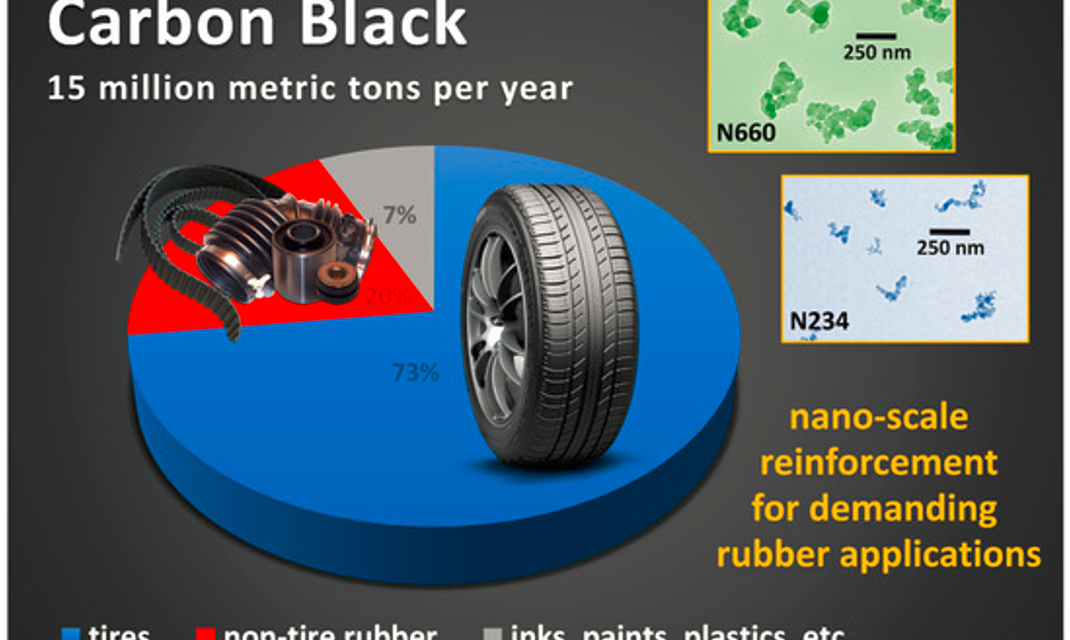
- Reinforcement: Carbon black is used as a reinforcing filler in rubber compounds. It enhances the strength, abrasion resistance, and tensile properties of rubber. By reinforcing the rubber matrix, carbon black improves tear strength, resilience, and durability.
- UV Protection: Carbon black provides protection against UV degradation and ozone attack. It absorbs UV radiation and prevents the breakdown of the rubber over time, especially in outdoor applications.
- Improved Wear Resistance: The addition of carbon black increases the wear resistance of rubber, making it more durable, especially in high-friction applications like tire treads and conveyor belts.
- Electrical Conductivity: Carbon black can also provide electrical conductivity in rubber, which is useful in applications where static dissipation or electromagnetic interference (EMI) shielding is required.
Applications:
- Tires: Carbon black is extensively used in tire manufacturing to improve tensile strength, abrasion resistance, and heat resistance.
- Industrial Rubber Goods: Used in gaskets, seals, hoses, and belts to enhance strength and durability.
2. Fillers
Fillers are solid particles added to rubber compounds to improve the processing, physical properties, and cost-efficiency of rubber goods. Fillers can be classified into two main types: reinforcing fillers and non-reinforcing fillers.
a) Reinforcing Fillers
- Role and Function: Reinforcing fillers, such as silica, talc, and clay, improve the strength, hardness, and tear resistance of rubber by enhancing the cross-linking density between polymer chains. These fillers provide mechanical support and improve the dimensional stability of the rubber.
- Silica: Particularly in the tire industry, silica is used to improve wet traction and reduce rolling resistance, contributing to better fuel efficiency in vehicles.
- Applications:
- Tires: Silica and carbon black are used in combination to improve traction and abrasion resistance while maintaining low rolling resistance.
- Seals and Gaskets: Fillers are used to improve compression set resistance and dimensional stability.
b) Non-Reinforcing Fillers
- Role and Function: Non-reinforcing fillers are typically used to lower the cost of the rubber and adjust its density, viscosity, or thermal conductivity. These fillers may include calcium carbonate, barium sulfate, and titanium dioxide.
- Cost Reduction: By replacing some of the more expensive polymer material, non-reinforcing fillers help reduce the overall production cost of rubber products without significantly affecting their basic performance.
- Applications:
- Flooring: Non-reinforcing fillers like calcium carbonate are often used in rubber flooring for cost efficiency.
- Coatings: Fillers help improve adhesion and surface smoothness in rubber coatings.
3. Plasticizers
Role and Function:
- Improved Flexibility: Plasticizers are additives that increase the flexibility and workability of rubber by lowering the glass transition temperature (Tg). They allow the rubber to become softer, more pliable, and easier to process.
- Reduced Viscosity: Plasticizers reduce the viscosity of the rubber compound, making it easier to process and mold into the desired shapes without compromising strength and performance.
- Enhanced Processing: By improving the flow characteristics of the rubber compound, plasticizers help in extrusion, injection molding, and other manufacturing processes that require a smooth, even material flow.
Types of Plasticizers:
- Phthalates: Dioctyl phthalate (DOP) is commonly used to plasticize polyvinyl chloride (PVC) and rubber products, though concerns about health impacts have led to a shift toward non-phthalate plasticizers.
- Non-Phthalate Plasticizers: These are used as safer alternatives in sensitive applications like medical products and food packaging.
- Vegetable-based Plasticizers: Bio-based plasticizers, such as soybean oil-based compounds, are emerging as more sustainable alternatives to traditional petroleum-based plasticizers.
Applications:
- Automotive Components: Plasticizers are used in rubber seals and gaskets to provide flexibility while maintaining compression resistance.
- Footwear: Rubber soles and boots often use plasticizers to improve comfort and flexibility.
- Medical Goods: Rubber goods like medical gloves and tubing use plasticizers to achieve the desired flexibility without compromising biocompatibility.
4. Overall Impact on Rubber Goods
a) Strength and Durability
- Additives like carbon black and reinforcing fillers improve the mechanical strength and abrasion resistance of rubber, making it suitable for demanding applications like tires, hoses, and gaskets.
b) Flexibility and Processability
- Plasticizers enhance flexibility and processability, making rubber goods more comfortable to use in applications like footwear, medical gloves, and seals. By lowering the glass transition temperature, plasticizers ensure that rubber remains pliable and easy to mold.
c) Cost Efficiency
- The use of non-reinforcing fillers like calcium carbonate helps reduce the cost of rubber products by substituting some of the more expensive rubber material. This makes rubber goods more affordable while maintaining adequate performance.
d) Weather and Chemical Resistance
- Additives such as fillers and carbon black improve weathering and chemical resistance, which is particularly important for rubber products exposed to UV light, ozone, and harsh chemicals (e.g., fuel hoses, seals, and gaskets).
Conclusion
Additives like carbon black, fillers, and plasticizers play essential roles in enhancing the properties of rubber goods. Carbon black improves strength, abrasion resistance, and UV protection, while fillers offer both reinforcement and cost reduction. Plasticizers provide flexibility and ease of processing, making rubber more suitable for a wide range of applications. By carefully selecting and blending these additives, manufacturers can tailor rubber compounds to meet specific performance, durability, and cost requirements for products used in industries like automotive, healthcare, and industrial applications.
Hashtags
#RubberAdditives #CarbonBlack #RubberFillers #Plasticizers #MaterialEnhancers #EnhancedPerformance #DurabilityBoost #StrengthAndFlexibility #ImprovedRubberProperties #QualityEnhancement #SustainableAdditives #EcoFriendlyMaterials #InnovativeMaterials #RubberTechnology #AdvancedMaterials #IndustrialRubber #AutomotiveMaterials #AerospaceMaterials #DurableGoods #EngineeringSolutions #MaterialScience #PolymerInnovation #RubberEngineering #AdditiveTechnology #MaterialPerformance