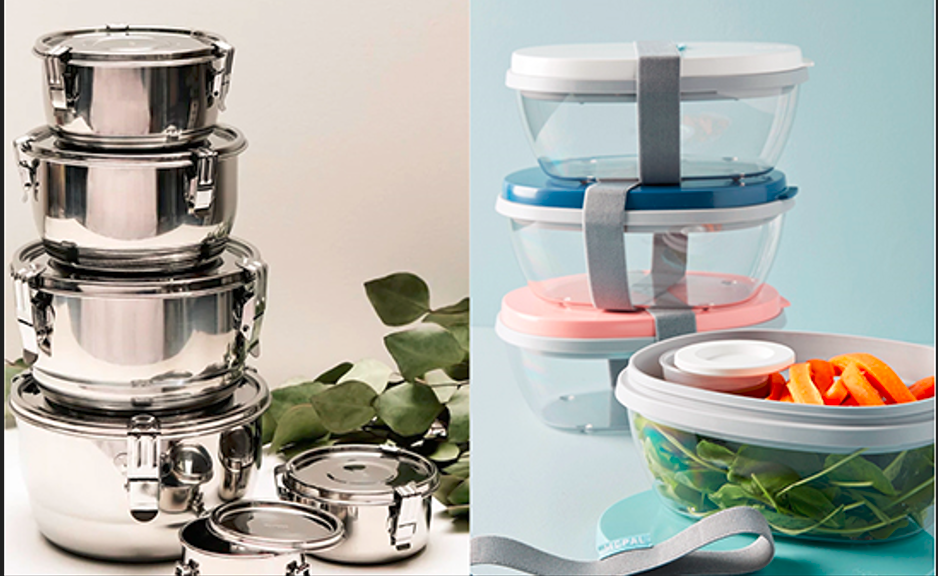
Metal containers and cans offer several significant advantages over plastic and rubber alternatives, particularly in terms of durability, recyclability, and barrier properties. These advantages make metal an ideal material for certain types of packaging, especially in food, beverage, and chemical applications. Below is a comparison of metal containers to plastic and rubber alternatives in these three key areas:
1. Durability
A. Metal Containers
- Strength and Impact Resistance: Metal containers, particularly those made from aluminum and steel, are known for their high strength and resistance to impact. They provide excellent protection for the contents and are less likely to suffer from physical damage during transportation and handling.
- Example: Aluminum cans for beverages and steel drums for chemicals offer superior protection against crushing or denting compared to plastic or rubber alternatives.
- Corrosion Resistance: Metals like aluminum and tin-plated steel are corrosion-resistant, making them suitable for long-term storage. Aluminum is particularly resistant to rusting, while steel cans are coated to prevent corrosion from moisture or air exposure.
- Example: Canned food and beverages stored for long periods remain secure due to the protective nature of metal.
B. Plastic Containers
- Lower Durability: Plastic containers, especially flexible plastics or thin-walled plastics, are generally less durable than metal, as they can be more prone to cracking, scratching, or deformation under physical stress.
- Example: Plastic food containers can crack or break if dropped, whereas metal cans are much less likely to fail under similar conditions.
C. Rubber Containers
- Limited Durability: While rubber can provide excellent flexibility and impact resistance, it may not be as strong as metal in certain applications. Rubber containers are also more vulnerable to abrasion and chemical degradation over time, particularly when exposed to UV light or extreme temperatures.
2. Recyclability
A. Metal Containers
- Highly Recyclable: One of the primary advantages of metal containers is their recyclability. Metals like aluminum and steel can be recycled indefinitely without losing quality. The recycling process for metals is energy-efficient, requiring significantly less energy compared to producing new metal from raw materials.
- Example: Aluminum cans are among the most recycled packaging materials globally, with high recycling rates in many countries.
- Closed-Loop Recycling: Metal containers like aluminum cans have a closed-loop recycling system, meaning that recycled metal can be reused to make new products without degradation of quality, which contributes to a more sustainable circular economy.
B. Plastic Containers
- Recyclability Challenges: While some plastic containers, such as those made from PET or HDPE, are recyclable, the recycling rates for plastic are much lower than for metal. Additionally, plastic recycling can be hindered by contamination, multi-material packaging, and plastic degradation during the recycling process.
- Example: Plastic bottles and containers can be recycled, but contamination or the presence of mixed plastics can complicate the process.
- Downcycling: Plastics are often “downcycled,” meaning they are recycled into lower-quality products rather than back into the same type of plastic. This limits their ability to be reused in the same high-quality applications as metal.
C. Rubber Containers
- Limited Recycling: Rubber is more challenging to recycle compared to plastic and metal, especially vulcanized rubber, which is commonly used for its durability and elasticity. The recycling process for rubber often involves turning it into crumb rubber for use in products like mats or paving materials, but this is often less efficient than metal recycling.
- Example: Rubber containers or seals made from vulcanized rubber may be difficult to recycle, contributing to waste accumulation.
3. Barrier Properties
A. Metal Containers
- Superior Barrier Properties: Metal containers offer excellent barrier properties against moisture, oxygen, and light, which are crucial for preserving the freshness, taste, and safety of food and beverages. Metals like aluminum and tin-plated steel are highly effective at blocking these external factors.
- Example: Canned foods and beverages benefit from the superior light and oxygen barrier provided by metal cans, allowing for long shelf life without the need for refrigeration or preservatives.
- Protection from UV Radiation: Metal containers are impervious to UV light, which can degrade some food and beverage products, particularly those sensitive to light like beer and juices. This gives metal packaging an advantage over plastic or rubber alternatives.
B. Plastic Containers
- Limited Barrier Properties: While certain types of plastic, like PET and multi-layer plastics, offer some barrier properties, they generally do not provide the same level of protection as metal. Plastic is more permeable to oxygen and moisture, which can lead to faster spoilage of food and beverages.
- Example: Plastic bottles for water or juices typically have a shorter shelf life compared to metal cans due to oxygen permeability.
- UV Protection: Plastic containers often require additional UV-blocking coatings or opaque designs to prevent degradation from UV light, which is inherently less effective than the complete UV barrier provided by metal.
C. Rubber Containers
- Moderate Barrier Properties: Rubber is often used in gaskets and seals but does not offer the same comprehensive barrier properties as metal. While rubber seals are effective at preventing leakage and contamination, it may not provide an impermeable barrier to oxygen or moisture in the same way as metal containers.
- Example: Rubber gaskets in food storage containers provide a good seal but do not offer the same long-term protection as metal containers when it comes to blocking oxygen or UV light.
4. Cost Considerations
A. Metal Containers
- Higher Initial Cost: Metal containers, especially those made from aluminum or steel, generally have a higher production cost compared to plastic. The cost of materials, as well as the manufacturing processes (such as forming and sealing), can drive up the price.
- Example: Aluminum cans for beverages may be more expensive to produce than plastic bottles, though this can be offset by the material’s superior barrier properties and recyclability.
B. Plastic Containers
- Lower Initial Cost: Plastic containers are generally less expensive to produce than metal, especially in terms of raw material costs. This makes plastic containers a more affordable option for many consumer goods, including food and beverages.
- Example: Plastic bottles and food packaging are often cheaper to produce, leading to cost savings for both manufacturers and consumers.
C. Rubber Containers
- Moderate Cost: Rubber containers are typically more expensive than plastic containers due to the cost of rubber materials and processing, particularly when specialized vulcanized rubber is used. However, rubber still tends to be less expensive than metal containers in many cases.
- Example: Rubber seals and gaskets for food containers and industrial use are cost-effective, though rubber containers themselves are less common due to their higher cost compared to plastics.
Conclusion
Metal containers and cans offer significant advantages in terms of durability, recyclability, and barrier properties compared to plastic and rubber alternatives:
- Durability: Metal containers are stronger, more resistant to impact, and provide superior protection from external damage compared to plastic or rubber.
- Recyclability: Metal is highly recyclable and can be reused indefinitely, making it more sustainable compared to plastics, which are often downcycled, and rubber, which has limited recycling options.
- Barrier Properties: Metal offers superior protection against oxygen, moisture, and UV light, helping to extend shelf life and preserve product quality, making it ideal for food and beverage packaging.
While plastic containers are more cost-effective and lighter than metal, and rubber offers flexibility and sealing capabilities, metal remains the preferred choice in certain industries due to its robust performance in protecting product quality and offering a highly sustainable, recyclable solution.
Hashtags
#MetalContainers #DurableCans #RecyclableMetal #SuperiorBarrierProperties #LongLastingSolutions #BuiltToLast #ImpactResistant #HeavyDutyPackaging #StrongAndReliable #ToughMaterials #InfiniteRecyclability #SustainableMetalPackaging #EcoFriendlyCans #GreenPackaging #CircularEconomy #AirtightPackaging #LeakProofDesign #OdorBarrierSolutions #ProtectivePackaging #AdvancedBarrierProperties #FoodAndBeveragePackaging #IndustrialContainers #PharmaceuticalCans #CosmeticPackaging #ChemicalStorage #MetalVsPlastic #PackagingAlternatives #MaterialAdvantage #InnovativeMetalPackaging #FutureOfCans #PackagingInnovation #EcoPackagingSolutions #SmartPackaging #DurableAndEcoFriendly #ProtectOurPlanet