Recycling plastic bags presents significant challenges due to their lightweight, flexible, and non-uniform nature. Despite their recyclability in theory, plastic bags are often not processed efficiently within current recycling systems, leading to lower recycling rates and increased plastic waste. Below are the primary recycling challenges for plastic bags, as well as ways to improve the recycling process and make it more efficient:
1. Sorting and Contamination Issues
Challenge:
- Plastic bags are often not separated from other recyclables effectively due to their lightweight nature and tendency to get caught in sorting machinery. This makes it difficult to incorporate plastic bags into single-stream recycling systems, where all recyclables are mixed together.
- Plastic bags are commonly contaminated with food residues (e.g., grease, oil, food packaging), which makes it difficult to clean and recycle them properly. The contamination can also damage recycling equipment and degrade the quality of the recycled material.
Solution:
- Dedicated Collection Points: One solution is to create separate collection points at stores or recycling centers where consumers can drop off plastic bags for proper recycling. These bags can then be sent to specialized facilities equipped to handle flexible plastic films.
- Improved Sorting Technologies: Advancements in sorting technologies such as robotic sorting systems, air classifiers, and optical scanners can help separate plastic bags from other materials more efficiently. Advanced sorting technology can also identify and remove contaminants to ensure that the bags are cleaner when recycled.
2. Inadequate Recycling Infrastructure
Challenge:
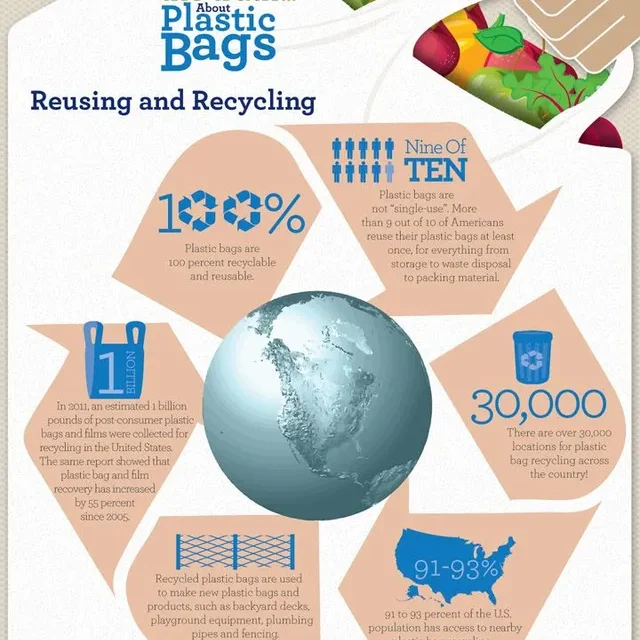
- Many curbside recycling programs do not accept plastic bags because they can easily get tangled in the sorting machinery at recycling facilities. As a result, plastic bags are often either sent to landfills or incinerated rather than being recycled into new products.
- There is also a lack of infrastructure for handling flexible plastic films, which are a key component of many types of packaging.
Solution:
- Investment in Specialized Facilities: Establishing dedicated recycling facilities for flexible plastics and plastic films would improve the efficiency of recycling plastic bags. Some facilities already specialize in plastic film recycling and can turn plastic bags into products such as plastic lumber, outdoor furniture, or new plastic film products.
- Collaboration Between Producers and Recyclers: Encouraging collaborations between plastic producers, retailers, and recyclers can help develop better systems to handle and recycle plastic bags, ensuring that plastic bags are processed properly and are integrated into the circular economy.
3. Low Demand for Recycled Plastic Bags
Challenge:
- Recycled plastic bags often have low demand because the quality of the recycled material may be degraded, and there is not a large market for products made from recycled bags.
- The cost of producing recycled plastic bags can be higher than producing virgin plastic bags due to the added steps in processing, cleaning, and sorting.
Solution:
- Creating Market Demand for Recycled Materials: Increasing demand for products made from recycled plastic can be achieved by encouraging manufacturers to use more recycled content in their products, such as recycled plastic bags, packaging, or consumer goods. Establishing standards or quotas for recycled content in products can help boost the demand for recycled plastic bags.
- Using Recycled Content in New Products: Manufacturers of plastic bags and other plastic products can design packaging with recycled content in mind. This will make the recycling of plastic bags more financially viable and encourage greater participation in the recycling process.
4. Degradation of Plastic Quality
Challenge:
- Plastic bags are made from polyethylene, which, when recycled multiple times, tends to degrade in quality. This limits the types of products that can be made from recycled plastic bags. The recycled material often becomes weaker and may not be suitable for applications requiring strength or durability.
Solution:
- Chemical Recycling: Unlike traditional mechanical recycling, chemical recycling can break down plastic into its monomers or smaller molecules, which can then be reused to create virgin-like quality plastic. This process can potentially overcome the issue of degradation in recycling and enable plastic bags to be reused more effectively in new products.
- Improving Recycling Systems: By incorporating advanced sorting and cleaning technologies, recyclers can improve the quality of the recycled material and create higher-grade recycled plastic that is suitable for a wider range of products.
5. Lack of Consumer Awareness and Participation
Challenge:
- Consumers often lack awareness of how to properly dispose of plastic bags for recycling. They may place them in curbside bins along with other recyclables, even though they are not accepted in many programs. In addition, many consumers are unaware of dedicated drop-off points or return programs at stores.
- The widespread habit of using single-use plastic bags without considering alternatives or the consequences of improper disposal exacerbates the problem.
Solution:
- Educational Campaigns: To improve recycling rates, it’s essential to launch consumer education programs that raise awareness about the importance of proper disposal and the environmental impact of plastic bags. This includes information on where to drop off plastic bags and how to reduce their use in favor of reusable bags.
- Incentives for Recycling: Some retailers offer incentives, such as discounts or loyalty points, for customers who return their plastic bags for recycling. Programs like these encourage more sustainable behavior and increase participation in recycling programs.
6. Biodegradable and Compostable Alternatives
Challenge:
- While biodegradable and compostable bags are a promising alternative, they present new challenges for recycling, as they may require different processing conditions. If biodegradable bags are mixed with conventional plastic bags in the recycling stream, they can contaminate the process and reduce the quality of the recycled material.
Solution:
- Clear Labeling: Proper labeling of biodegradable or compostable bags can help consumers and recycling facilities properly sort these materials, ensuring that they do not interfere with the recycling of traditional plastic bags.
- Specialized Recycling Systems for Biodegradable Bags: Just as with plastic bags, the industry could develop dedicated collection and recycling systems for biodegradable or compostable materials to ensure they are properly processed without causing contamination.