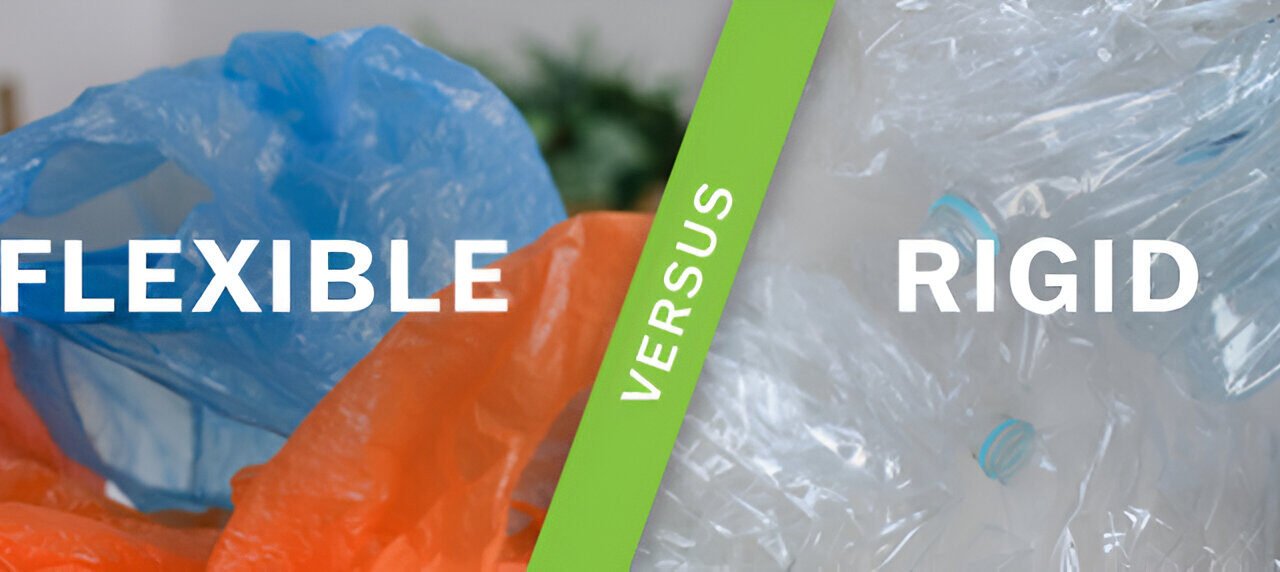
Rigid and flexible plastic sheets are two broad categories of plastic materials that differ in physical properties, applications, and processing methods. Here’s a comprehensive comparison:
1. Physical Properties
A. Rigidity and Flexibility
- Rigid Plastic Sheets:
- Stiff and retain their shape under pressure or load.
- Typically have higher tensile and compressive strength.
- Examples: Polycarbonate (PC), Acrylic (PMMA), PVC (Polyvinyl Chloride), and ABS (Acrylonitrile Butadiene Styrene).
- Flexible Plastic Sheets:
- Bendable and elastic, allowing for folding, rolling, or stretching without breaking.
- Examples: Polyethylene (PE), Polypropylene (PP), Vinyl (Flexible PVC), and Thermoplastic Elastomers (TPE).
B. Durability
- Rigid Sheets:
- More resistant to impact and wear, making them suitable for structural applications.
- Often UV-resistant and weatherproof when coated.
- Flexible Sheets:
- Durable in terms of stretch and bend but prone to punctures or tears in heavy-duty conditions.
2. Material Composition
- Rigid Sheets:
- Composed of high-modulus polymers with dense molecular structures, providing strength and stiffness.
- Often reinforced with fillers like glass fibers for added strength.
- Flexible Sheets:
- Made from low-modulus polymers or polymers combined with plasticizers to enhance flexibility.
- Commonly include additives to improve elasticity and resistance to cracking.
3. Weight
- Rigid Sheets:
- Heavier due to their density and structural integrity.
- Can be lightweight for certain materials like polycarbonate or acrylic, which are much lighter than glass or metal.
- Flexible Sheets:
- Generally lighter, especially those made from polyethylene or polypropylene.
4. Applications
A. Rigid Plastic Sheets
- Construction and Architecture:
- Skylights, roofing, partitions, and glazing (e.g., polycarbonate, acrylic).
- Signage and Displays:
- Durable, weather-resistant signs and displays.
- Industrial Uses:
- Machine guards, protective barriers, and housings for machinery.
- Automotive and Aerospace:
- Interior panels, protective shields, and structural components.
B. Flexible Plastic Sheets
- Packaging:
- Shrink wraps, bags, and films (e.g., polyethylene, vinyl).
- Medical:
- Sterile drapes, covers, and flexible medical devices.
- Agriculture:
- Greenhouse covers and irrigation liners.
- Consumer Goods:
- Shower curtains, tablecloths, and flexible coverings.
5. Processing and Fabrication
A. Rigid Sheets
- Machinability:
- Can be cut, drilled, and thermoformed into desired shapes.
- Suitable for CNC machining and precise fabrication.
- Thermoforming:
- Rigid sheets like ABS or acrylic are heat-softened to mold into permanent shapes.
B. Flexible Sheets
- Ease of Handling:
- Can be folded, rolled, or stretched for easy storage and transport.
- Heat Sealing and Welding:
- Commonly joined using heat sealing for applications like packaging or waterproof linings.
6. Transparency and Aesthetics
- Rigid Sheets:
- Often offer high transparency and optical clarity (e.g., acrylic and polycarbonate).
- Available in a variety of colors, textures, and finishes.
- Flexible Sheets:
- Usually translucent or opaque, depending on the material.
- Often printed or textured for decorative and functional purposes.
7. Environmental Resistance
A. Rigid Sheets
- Strength:
- More resistant to heavy impacts, chemicals, and weather conditions.
- UV Protection:
- Many rigid sheets have UV-resistant coatings, making them suitable for outdoor applications.
B. Flexible Sheets
- Adaptability:
- Can conform to irregular surfaces, making them ideal for coverings or linings.
- Environmental Vulnerability:
- More prone to degradation under prolonged UV exposure unless specially treated.
8. Cost
- Rigid Sheets:
- Generally more expensive due to higher material density and production complexity.
- Long lifespan and durability can offset the initial cost in structural applications.
- Flexible Sheets:
- Lower production costs and higher volume applications (e.g., packaging) make them more affordable.
- Limited lifespan in harsh conditions can increase replacement costs.
Rigid Plastic Sheets are ideal for structural, protective, and long-term applications requiring strength, durability, and impact resistance. They are more expensive but offer superior performance in demanding environments.
Flexible Plastic Sheets excel in packaging, linings, and coverings where adaptability, lightweight properties, and cost-effectiveness are priorities.