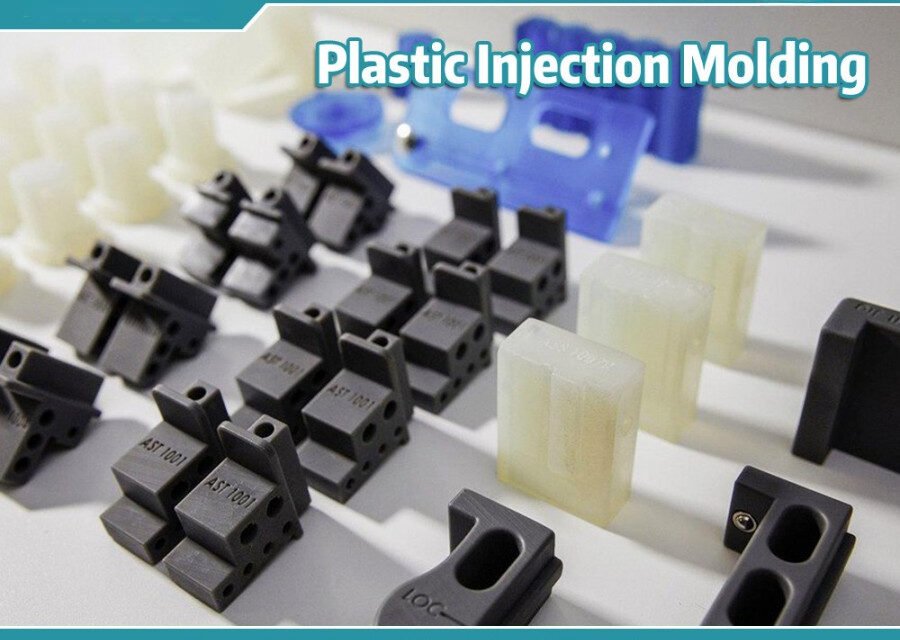
Plastic injection molding is a widely used manufacturing process, known for its efficiency in producing high-quality plastic parts. However, before investing in injection molding, businesses must evaluate the cost factors involved. These costs can be categorized into tooling costs, material costs, production costs, and post-processing expenses. Understanding these aspects can help businesses optimize budgets and maximize profitability.
1. Tooling and Mold Costs
One of the most significant upfront costs in plastic injection molding is the cost of the mold.
a. Mold Design and Development
- Complex designs with intricate features, multiple cavities, or tight tolerances increase tooling costs.
- Custom molds require detailed CAD designs and precise machining, which add to the initial investment.
b. Mold Material
- Aluminum molds are cheaper and quicker to produce but wear out faster, making them suitable for prototyping and low-volume production.
- Steel molds are more expensive but highly durable, making them ideal for high-volume production.
c. Number of Cavities
- Single-cavity molds are cheaper but produce one part per cycle, increasing production time.
- Multi-cavity molds cost more but allow multiple parts to be produced simultaneously, reducing per-unit costs.
d. Mold Maintenance
- Regular cleaning, polishing, and repairs are necessary to maintain the mold’s lifespan, adding to long-term costs.
Cost Range:
- Simple aluminum mold: $5,000 – $15,000
- High-precision steel mold: $20,000 – $100,000+
2. Material Costs
The type of plastic used significantly affects the total production cost.
a. Type of Plastic Resin
- Common resins like Polypropylene (PP) and Polystyrene (PS) are cost-effective.
- High-performance plastics like PEEK or Nylon cost more due to their superior heat resistance and durability.
b. Additives and Fillers
- Color pigments, UV stabilizers, flame retardants, and strength-enhancing fillers (glass fiber, carbon fiber) increase costs.
c. Resin Waste and Recycling
- Efficient recycling of plastic scraps reduces costs, especially in high-volume production.
Cost Range:
- Basic plastics (PP, ABS, PE): $1 – $3 per kg
- Engineering-grade plastics (Nylon, PC, POM): $5 – $10 per kg
- High-performance plastics (PEEK, ULTEM, LCP): $20 – $100 per kg
3. Production Costs
The efficiency of the injection molding process directly impacts production costs.
a. Machine Costs (Injection Molding Press)
- Machines are classified by clamping force (tonnage), which affects pricing.
- Small machines (50 – 150 tons) cost less but have lower output capacity.
- Large machines (500+ tons) are costlier but essential for bigger parts.
Cost Range:
- Small machine (50 – 150 tons): $5,000 – $50,000
- Medium machine (150 – 500 tons): $50,000 – $200,000
- Large machine (500+ tons): $200,000 – $1,000,000
b. Labor and Automation
- Highly automated systems reduce labor costs but require higher initial investment.
- Skilled technicians are needed for setup, maintenance, and quality control.
c. Cycle Time and Efficiency
- Faster cycle times reduce production costs per part.
- Optimizing cooling time, injection speed, and material flow improves efficiency.
4. Secondary Processes and Post-Processing Costs
Once parts are molded, additional steps may be required, adding to the overall cost.
a. Trimming and Deburring
- Some parts may require manual or automated trimming to remove excess material.
b. Assembly
- Multi-part assemblies or the addition of metal inserts increase labor costs.
c. Surface Finishing and Customization
- Painting, printing, polishing, or laser engraving add to final costs.
5. Per-Unit Cost Considerations
- The higher the production volume, the lower the per-unit cost.
- A simple small plastic part may cost only $0.10 – $1 per unit, while larger or more complex parts can range from $5 – $50 per unit.
Ways to Reduce Injection Molding Costs
- Optimize part design to use less material and reduce cycle time.
- Use multi-cavity molds for higher efficiency in large production runs.
- Choose cost-effective plastic resins based on performance needs.
- Automate production to minimize labor costs.
- Recycle plastic waste to reduce material expenses.
Conclusion
Plastic injection molding involves various cost factors, including mold development, material selection, production efficiency, and post-processing. While the initial tooling cost is high, the low per-unit cost makes it ideal for mass production. Businesses looking to optimize costs should focus on efficient mold design, material selection, and production speed. By carefully managing these factors, manufacturers can achieve high-quality results at a competitive price, making plastic injection molding one of the most cost-effective manufacturing methods available today.
Hashtags
#PlasticInjectionMolding #ManufacturingCosts #ProductionEfficiency #CostAnalysis #CostEffective #BudgetingForManufacturing #ManufacturingROI #LowProductionCost #MassProductionSavings #ToolingCosts #MoldMaintenance #CycleTimeOptimization #IndustrialManufacturing #ProductDevelopment #PlasticsIndustry #EngineeringEconomics #SustainableManufacturing #MaterialOptimization #RecycledPlastics #LeanManufacturing #ManufacturingInnovation #ProcessImprovement #QualityControl #SupplyChainManagement #SmartManufacturing