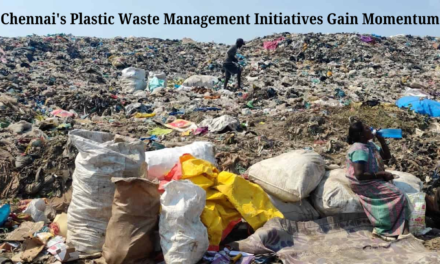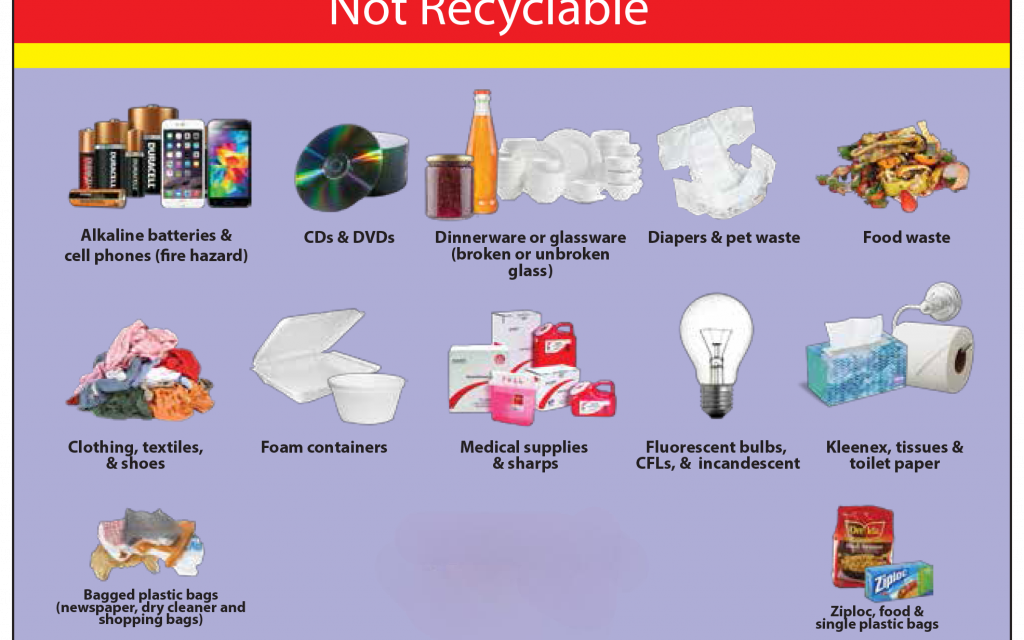
In a concerted effort to address the growing plastic pollution crisis, public awareness campaigns across India are focusing on the environmental impact of non-recyclable containers. With plastic waste becoming one of the most pressing environmental issues, these campaigns aim to educate citizens and businesses about the harmful consequences of using non-recyclable plastic containers, which contribute to landfills, water pollution, and harm to wildlife. The campaigns are leveraging digital media, school programs, community outreach, and workshops to spread the message about the benefits of switching to eco-friendly packaging alternatives, including biodegradable containers, recyclable plastics, and compostable materials.
Government organizations, NGOs, and industry groups are working together to highlight the need for responsible consumption and waste management, urging businesses and consumers to reduce their reliance on single-use, non-recyclable packaging. The campaigns emphasize the long-term environmental consequences of improper disposal, such as the release of toxic substances from plastic containers that do not break down naturally in the environment.
“Raising awareness about the impact of non-recyclable containers is crucial for fostering a culture of sustainability,” said a spokesperson for one of the leading environmental NGOs. “By educating people about the importance of switching to recyclable and biodegradable alternatives, we can reduce plastic waste and help protect the environment for future generations.”
As part of the initiative, several eco-friendly alternatives, including plastic containers made from recycled materials, reusable options, and plant-based packaging, are being promoted as part of the solution. These public awareness efforts are expected to drive a significant shift in consumer behavior, encouraging widespread adoption of sustainable packaging solutions and contributing to India’s goal of reducing plastic waste while promoting a circular economy.