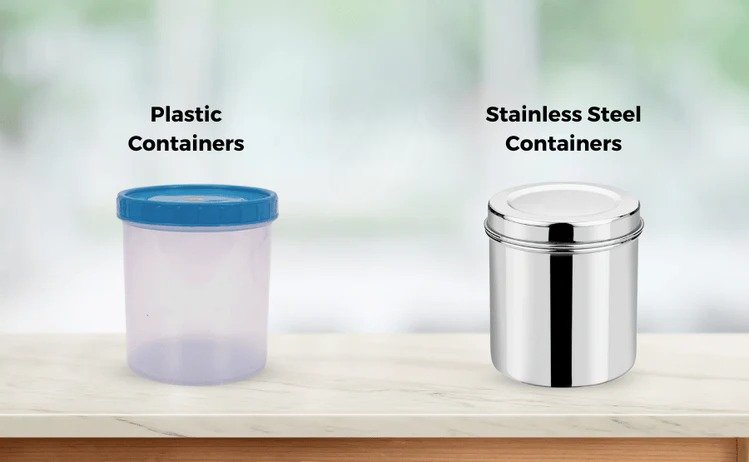
The shelf life provided by metal containers often surpasses that of plastic alternatives, particularly for perishable or sensitive products. This is due to the superior barrier properties of metal, which protect contents from environmental factors such as oxygen, moisture, light, and contaminants. Here’s a detailed comparison of the shelf life offered by metal and plastic containers:
1. Key Factors Influencing Shelf Life
A. Barrier Properties
Metal Containers:
- Complete Barrier:
- Metal containers, made from aluminum or steel, provide an impermeable barrier to oxygen, moisture, light, and other external factors, ensuring the preservation of product quality.
- This makes metal ideal for highly perishable products like canned fruits, vegetables, and meats, as well as sensitive beverages like beer and carbonated drinks.
Plastic Containers:
- Partial Barrier:
- Plastic containers, depending on the material (e.g., PET, HDPE, PP), offer varying degrees of barrier protection but are typically permeable to gases like oxygen and carbon dioxide over time.
- Multi-layer plastics can improve performance, but they rarely match the complete barrier properties of metal.
- Example: Plastic bottles for carbonated beverages lose carbonation faster than aluminum cans due to oxygen ingress and CO₂ loss.
B. Light Protection
Metal Containers:
- Total Light Blockage:
- Metal containers completely block UV light and visible light, preventing photochemical reactions that can degrade sensitive products.
- Example: Beer stored in aluminum cans maintains its flavor and quality longer than beer in transparent or lightly tinted plastic bottles.
Plastic Containers:
- Limited Light Protection:
- Many plastics, especially clear ones like PET, allow light to penetrate, which can degrade products that are sensitive to UV rays, such as juices, milk, or pharmaceuticals.
- UV-blocking additives can improve protection but do not match the complete blockage provided by metal.
C. Temperature Resistance
Metal Containers:
- High Heat and Cold Resistance:
- Metal containers can withstand extreme temperatures, making them suitable for processes like retort sterilization, which kills microorganisms and extends shelf life significantly.
- Example: Ready-to-eat meals in retort pouches or cans have shelf lives of up to 5 years or more when packaged in metal.
Plastic Containers:
- Limited Temperature Tolerance:
- Plastics have lower heat resistance and are often unsuitable for sterilization processes. They can also deform or degrade in high-temperature environments.
- Example: Heat-treated soups or stews are more commonly packaged in metal cans due to the need for retort sterilization.
2. Shelf Life for Specific Product Categories
A. Perishable Foods (e.g., Vegetables, Fruits, Meat)
- Metal Containers:
- Canned foods often achieve shelf lives of 2-5 years due to the complete barrier against oxygen, moisture, and contaminants. The sterilization process ensures the absence of microorganisms.
- Example: Canned tomatoes or tuna maintain their quality for years.
- Plastic Containers:
- Fresh or semi-processed foods in plastic typically have shorter shelf lives of 6-12 months due to limited gas and moisture barrier properties, even with advanced materials like multi-layer PET.
- Example: Pre-packaged salads or fruits in plastic containers often require refrigeration and have limited shelf lives.
B. Beverages (e.g., Carbonated Drinks, Juices, Alcoholic Beverages)
- Metal Containers:
- Aluminum cans offer superior carbonation retention and light protection, extending the shelf life of beverages like soda or beer to 12-24 months or more.
- Example: Beer packaged in cans retains its flavor profile much longer than beer in plastic bottles due to reduced oxygen ingress.
- Plastic Containers:
- Beverages in plastic bottles typically have shelf lives of 3-9 months, as oxygen ingress and light exposure can lead to flavor degradation and loss of carbonation.
- Example: Soft drinks in PET bottles may taste flat after several months compared to those stored in metal cans.
C. Dairy Products (e.g., Milk, Creams, Yogurt)
- Metal Containers:
- Metal cans used for sterilized or condensed milk provide shelf lives of 1-2 years or more.
- Example: Evaporated milk in cans remains stable for extended periods, even without refrigeration.
- Plastic Containers:
- Dairy products in plastic typically require refrigeration and have shorter shelf lives of 2-3 weeks (e.g., milk in HDPE bottles) due to light exposure and limited oxygen barrier properties.
D. Pharmaceuticals
- Metal Containers:
- Sensitive pharmaceutical products packaged in metal containers benefit from complete protection against environmental factors, extending their shelf life significantly.
- Example: Aerosol medications in aluminum cans maintain stability for years.
- Plastic Containers:
- While plastic containers are used for many pharmaceuticals, they may require additional coatings or multi-layer designs to match the barrier properties of metal.
3. Advantages of Metal Containers for Extended Shelf Life
A. Long-Term Preservation
- Metal cans are the preferred choice for emergency food supplies, military rations, and other applications where long shelf life (5+ years) is critical.
B. Minimal Use of Preservatives
- The superior sealing and sterilization capabilities of metal containers often eliminate the need for chemical preservatives, appealing to health-conscious consumers.
C. Flavor and Nutrient Retention
- Metal’s impermeable barrier helps preserve the taste, texture, and nutritional value of products better than plastic over extended periods.
4. Challenges and Limitations of Metal Containers
A. Weight
- Metal containers are generally heavier than plastic alternatives, which increases transportation costs and emissions.
B. Cost
- The higher initial production cost of metal containers can be a disadvantage in cost-sensitive markets.
C. Recycling Complexity
- While metal is highly recyclable, certain coatings (e.g., BPA-free linings) can complicate the recycling process.
5. Innovations to Bridge the Gap
A. Enhanced Plastic Barrier Properties
- Advances in multi-layer plastics and coatings are improving the shelf life of plastic containers, particularly for beverages and semi-perishable foods.
- Example: Oxygen-scavenging additives in PET bottles can extend the shelf life of sensitive beverages.
B. Lightweighting Metal Containers
- Innovations in lightweighting metal containers reduce transportation costs, making them more competitive with plastic packaging.
C. Hybrid Metal-Plastic Designs
- Combining metal and plastic components in hybrid packaging offers extended shelf life with reduced weight and improved usability.
- Example: Coffee cans with aluminum bodies and plastic resealable lids.
Metal containers provide superior shelf life compared to plastic alternatives, particularly for perishable and sensitive products, due to their:
- Complete barrier properties against oxygen, moisture, and light.
- Temperature resistance, enabling high-heat sterilization processes.
- Durability, ensuring long-term preservation without loss of quality.