Plastic containers are manufactured through a variety of processes, each selected based on the desired shape, material, and performance characteristics of the container. The most common manufacturing methods for plastic containers include blow molding, injection molding, extrusion molding, and thermoforming. These processes are widely used across industries like food and beverage, cosmetics, pharmaceuticals, and household goods. Below is an overview of the key processes used in plastic container manufacturing:
1. Blow Molding
Overview:
Blow molding is the most common method for manufacturing hollow plastic containers, such as bottles, jars, and large containers. It involves forming a plastic tube (or “parison”) and inflating it into the desired shape by blowing air into it while the material is still soft.
Key Steps:
- Extrusion or Injection:
- Extrusion Blow Molding: The process begins with the extrusion of a molten plastic tube (parison) that is formed through an extruder.
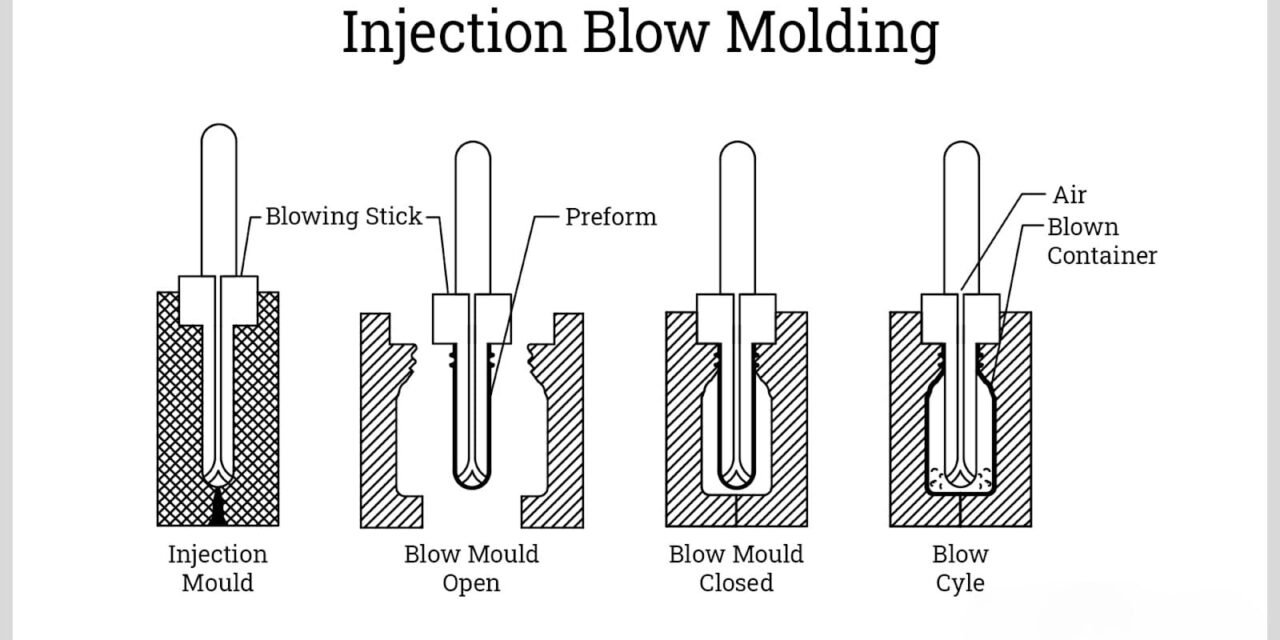
- Injection Blow Molding: The parison is first injected into a mold to form a preform, which is then inflated in a second mold to create the final container.
- Inflating:
- The parison is placed inside a mold, and compressed air is blown into it, forcing the plastic to expand and take the shape of the mold cavity.
- Cooling and Ejection:
- The inflated plastic is cooled, solidifying it into the final shape of the container.
- Once cooled, the mold is opened, and the container is ejected.
Applications:
- Bottles: Most commonly used for beverage, cleaning products, and personal care products.
- Jars: For products like cosmetics, food, and pharmaceuticals.
- Large Containers: For products like storage tanks, industrial containers, and plastic drums.
Advantages:
- Ideal for hollow containers with consistent wall thickness.
- High production speed, making it suitable for mass production.
- Can produce a variety of shapes and sizes, including large containers.
2. Injection Molding
Overview:
Injection molding is one of the most versatile and widely used plastic manufacturing methods. It involves injecting molten plastic into a mold to create solid, detailed containers with high precision.
Key Steps:
- Material Injection:
- Plastic pellets are heated and melted in an injection molding machine.
- The molten plastic is injected into a closed mold under high pressure.
- Cooling and Solidification:
- Once injected into the mold, the plastic cools and solidifies, taking the shape of the mold cavity.
- Ejection:
- After cooling, the mold opens, and the formed container is ejected.
Applications:
- Containers with complex shapes: Used for products like caps, lids, tubs, and boxes.
- Pharmaceutical Packaging: Often used for containers like pill bottles and medical vials.
- Cosmetics: Containers like makeup jars and bottles.
Advantages:
- Highly precise and capable of producing containers with complex shapes and thin walls.
- High production rates and repeatability with minimal waste.
- Excellent surface finish and design flexibility.
3. Extrusion Molding
Overview:
Extrusion molding is typically used for creating long, continuous shapes that can be cut into specific lengths or shapes. While it is not the most common process for producing rigid plastic containers, it is used for making some containers or packaging types that require uniform cross-sections.
Key Steps:
- Extrusion:
- Molten plastic is forced through a die to create a continuous profile, such as a tube, sheet, or other hollow shape.
- Cooling and Cutting:
- The extruded plastic is cooled, solidified, and cut into the desired length or shape. If making containers, the continuous shape can be formed into a container or bottle.
Applications:
- Plastic Bags: Often used for packaging in the form of film or sheet.
- Flexible Packaging: For squeeze bottles, and pouches used for food products.
- Pipe or Tubing: Extruded containers used in industrial applications.
Advantages:
- Continuous process, making it efficient for high-volume production.
- Used for producing uniform shapes that need to be cut into desired sizes.
4. Thermoforming
Overview:
Thermoforming is used for creating thin-walled plastic containers, especially those with shallow cavities. The process involves heating a sheet of plastic until soft and then molding it into the desired shape using a mold.
Key Steps:
- Heating:
- A plastic sheet is heated to a high temperature until it becomes soft and pliable.
- Molding:
- The heated sheet is placed over or inside a mold and then vacuum-formed (or pressed) into the mold cavity.
- Cooling:
- The formed plastic is cooled, solidifying it into the shape of the mold.
- Trimming:
- The container is trimmed of any excess plastic that extends beyond the mold.
Applications:
- Shallow containers: Used for food trays, clamshell packaging, blister packs, and cosmetic packaging.
- Single-use or disposable containers for food and consumer goods.
Advantages:
- Ideal for producing low-cost, high-volume containers with simple designs.
- Flexibility in creating containers of varying sizes and shapes with thin walls.
- Faster and more cost-effective than injection molding for certain applications.
5. Compression Molding
Overview:
Compression molding involves placing a pre-measured amount of plastic into a mold and then applying heat and pressure to form the container. This method is commonly used for containers with complex shapes or that require high strength.
Key Steps:
- Material Placement:
- A preform or plastic charge is placed into a heated mold.
- Compression:
- The mold is closed, and pressure is applied to compress the material, forcing it to take the shape of the mold cavity.
- Cooling and Ejection:
- The plastic is cooled and solidified before being ejected from the mold.
Applications:
- Bottle caps and lids.
- Heavy-duty industrial containers and caps for automotive packaging.
Advantages:
- Ideal for creating parts with high strength and dimensional accuracy.
- Cost-effective for small to medium production volumes with complex shapes.
6. Rotational Molding
Overview:
Rotational molding is used to produce hollow plastic containers of large size. The process involves rotating a mold while it is heated and filled with plastic powder.
Key Steps:
- Heating and Rotating:
- Plastic powder is placed into a mold, which is then heated and rotated along two axes, allowing the plastic to coat the interior surfaces of the mold.
- Cooling and Ejection:
- After cooling, the mold is opened, and the finished container is ejected.
Applications:
- Large plastic containers: Used for storage tanks, playground equipment, and large industrial containers.
Advantages:
- Ideal for making large, hollow containers with uniform thickness.
- Can produce large, complex shapes that are not feasible with other molding techniques.
Plastic containers are manufactured using several key processes, each suited to different types of products and performance requirements. The most common processes include:
- Blow Molding: Best for hollow containers such as bottles and jars, offering high production rates.
- Injection Molding: Ideal for containers with complex shapes and high precision, including caps, lids, and cosmetic containers.
- Extrusion Molding: Used for producing long, continuous shapes, often for tubes or flexible packaging.
- Thermoforming: Suitable for thin-walled containers like food trays and blister packs.
- Compression Molding: Used for heavy-duty and strong containers, such as bottle caps.
- Rotational Molding: Primarily used for large, hollow containers with uniform thickness.
Each process offers distinct advantages depending on the type of container, material properties, and production volume, ensuring manufacturers can choose the best method for their specific needs.