Bio-based plastic raw materials are transforming the plastics industry by offering sustainable alternatives to traditional petroleum-based plastics. These materials are derived from renewable resources such as plants, algae, and agricultural waste, enabling a shift toward environmentally friendly practices while addressing the growing demand for sustainability. Here’s how bio-based plastics are reshaping the industry:
1. Sustainability and Environmental Impact
- Renewable Resource Utilization:
- Bio-based plastics are made from renewable feedstocks like corn, sugarcane, cassava, and cellulose, reducing dependency on finite fossil fuels.
- Examples include polylactic acid (PLA) from corn starch and bio-polyethylene (Bio-PE) from sugarcane.
- Carbon Footprint Reduction:
- Production of bio-based plastics typically emits less greenhouse gas compared to traditional plastics.
- Certain bio-based plastics, like Bio-PE, act as carbon sinks, capturing CO₂ during the growth of the feedstock.
- Biodegradability:
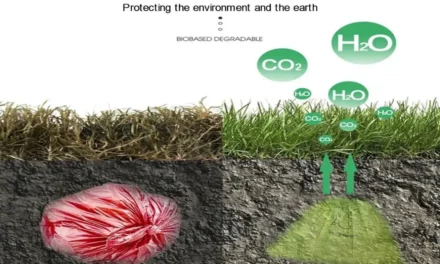
- Some bio-based plastics, such as PLA and polyhydroxyalkanoates (PHAs), are biodegradable, offering solutions to plastic waste pollution.
- However, not all bio-based plastics (e.g., Bio-PE, Bio-PET) are biodegradable but are recyclable, contributing to a circular economy.
2. Industry Diversification
- Material Innovation:
- Bio-based plastics have enabled the development of novel materials with unique properties, such as higher thermal stability or enhanced biodegradability.
- Innovations include algae-based plastics for lightweight applications and mycelium-based packaging for biodegradable solutions.
- Expansion of Applications:
- Bio-based plastics are increasingly used in packaging, automotive, consumer goods, agriculture, and medical devices, broadening their market presence.
3. Economic Opportunities
- Job Creation in Bioeconomy:
- The growth of bio-based plastics has spurred new economic opportunities in agriculture, processing, and bioplastic manufacturing.
- Market Growth:
- The global bio-based plastics market is growing rapidly, driven by demand for sustainable materials and supportive government policies.
- Cost Competitiveness:
- Advances in production efficiency and economies of scale are reducing the cost gap between bio-based and petroleum-based plastics.
4. Alignment with Global Regulations
- Single-Use Plastic Bans:
- Bio-based plastics align with regulations banning single-use plastics and promoting sustainable packaging.
- Governments and organizations are incentivizing the use of bio-based alternatives through subsidies, tax benefits, and certifications.
- Compliance with Standards:
- Bio-based plastics meet international standards such as EN 13432 and ASTM D6400 for compostability and biodegradability, facilitating their adoption in regulated markets.
5. Integration into Circular Economy
- Recyclability:
- Bio-based plastics like Bio-PET and Bio-PE are chemically identical to their petroleum-based counterparts, allowing integration into existing recycling streams.
- Biodegradable Alternatives:
- Materials like PLA and PHAs decompose under industrial composting conditions, reducing landfill waste.
- Waste Utilization:
- Feedstocks such as agricultural residues and food waste are being used to produce bio-based plastics, reducing overall waste and improving resource efficiency.
6. Challenges and Innovations
- Feedstock Competition:
- The use of crops like corn and sugarcane for bio-based plastics competes with food production, raising concerns about food security and land use.
- Innovations such as using non-food crops (e.g., switchgrass) or waste materials address these concerns.
- Processing Challenges:
- Bio-based plastics often require different processing conditions than conventional plastics, necessitating investment in specialized equipment.
- Performance Limitations:
- Some bio-based plastics, like PLA, have lower thermal resistance and impact strength compared to petroleum-based plastics.
- Blending bio-based plastics with additives or other materials improves their performance for broader applications.
7. Consumer and Brand Adoption
- Sustainability Marketing:
- Companies are leveraging bio-based plastics to align with consumer demand for eco-friendly products.
- Brands like Coca-Cola (PlantBottle) and IKEA are investing in bio-based materials for packaging and products.
- Consumer Awareness:
- Growing awareness about environmental issues drives consumer preference for products using bio-based plastics.
8. Future Trends
- Feedstock Diversification:
- Increased use of algae, waste biomass, and other non-traditional feedstocks for bio-based plastic production.
- Advanced Biodegradable Plastics:
- Development of materials that decompose in natural environments, reducing the need for industrial composting.
- Integration with Digital Technology:
- Use of blockchain and IoT to track the lifecycle and sustainability of bio-based plastics.
- Global Collaboration:
- Partnerships among governments, industries, and research institutions to scale up bio-based plastic production and address challenges.
Conclusion
Bio-based plastic raw materials are driving a paradigm shift in the plastics industry by providing sustainable, renewable, and environmentally friendly alternatives. As technological advancements and economies of scale improve their performance and affordability, bio-based plastics are expected to play a central role in achieving a more sustainable and circular economy.
Hashtags
#BioBasedPlastics #SustainablePolymers #GreenPlastics #PlantBasedMaterials #EcoFriendlyPlastics #PlasticsRevolution #InnovativeMaterials #FutureOfPlastics #BioPlasticInnovation #SustainableTechnology #ReducePlasticWaste #PlasticFreeFuture #EcoConsciousDesign #CircularEconomy #GreenPackagingSolutions #BioPlasticPackaging #SustainableConsumerGoods #GreenAutomotiveMaterials #EcoFriendlyIndustrialPlastics #RenewableMaterials #SaveThePlanet #SustainabilityMatters #ChooseSustainable #EcoInnovation #GreenManufacturing #BuiltForTheFuture #SmartSustainability #PackagingRevolution #EcoMaterialScience #TransformingPlastics