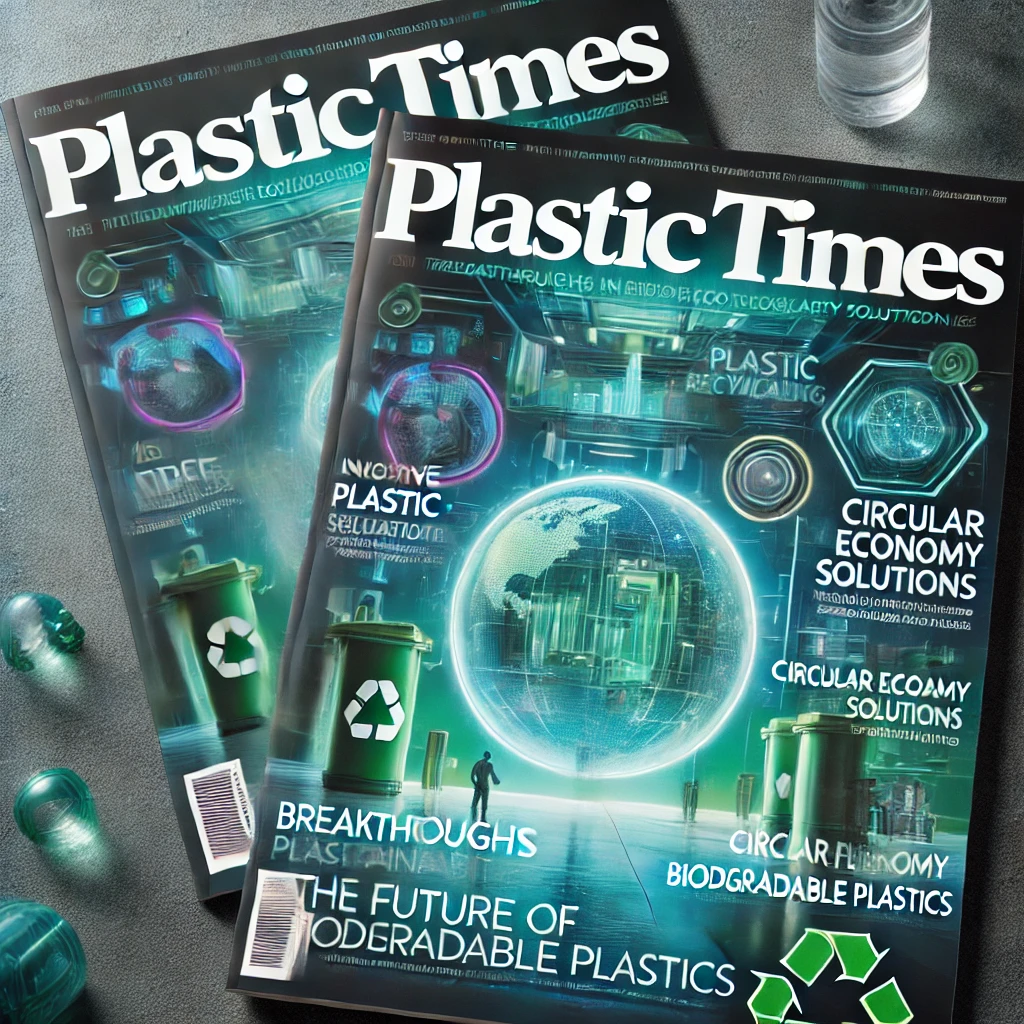
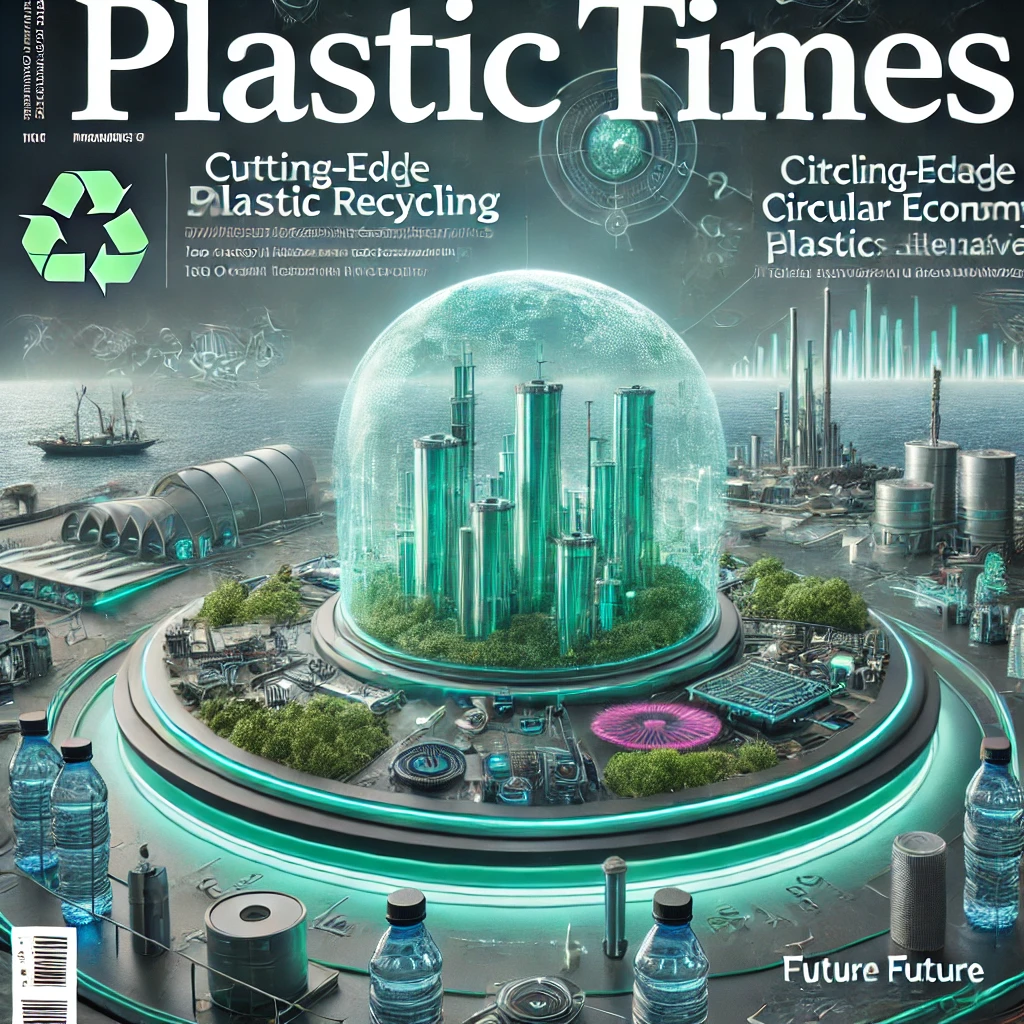
The future of plastic raw material production and innovation is being shaped by a combination of sustainability goals, regulatory pressures, technological advancements, and shifting consumer preferences. These trends are driving the development of new materials, processes, and business models to meet the demands of a rapidly changing global market. Here are the key trends:
1. Sustainability and Circular Economy
- Recycled Plastics:
- Increasing adoption of recycled plastics, including advanced techniques like chemical recycling, which breaks down plastics into their monomers for reuse.
- Growth in rPET (Recycled PET) and recycled HDPE for packaging and consumer goods.
- Bio-Based Plastics:
- Expansion of plastics derived from renewable feedstocks, such as polylactic acid (PLA), polyhydroxyalkanoates (PHAs), and bio-polyethylene (Bio-PE).
- Use of non-food feedstocks like algae, agricultural waste, and lignocellulose to avoid competition with food production.
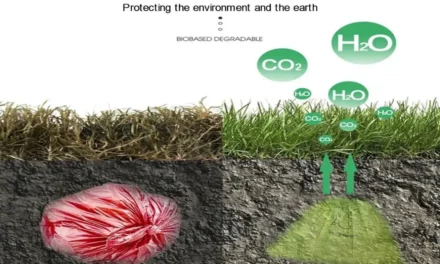
- Compostable and Biodegradable Materials:
- Development of compostable plastics that degrade in natural or industrial composting environments, such as PLA and PHA.
- Innovations in marine-degradable plastics to address ocean pollution.
- Carbon-Neutral Production:
- Efforts to reduce carbon footprints by using renewable energy in plastic production and adopting carbon capture technologies.
2. Advanced Recycling Technologies
- Chemical Recycling:
- Techniques such as pyrolysis, depolymerization, and solvolysis that convert plastic waste into raw materials or feedstocks for new plastics.
- Focus on overcoming challenges like energy consumption and scalability.
- Enhanced Mechanical Recycling:
- Improved sorting and cleaning technologies to reduce contamination and maintain the quality of recycled plastics.
- Closed-Loop Systems:
- Development of circular economy models where plastics are continuously reused, reducing dependency on virgin materials.
3. High-Performance Materials
- Engineering Plastics:
- Increasing demand for high-performance materials like polyetheretherketone (PEEK), polyphenylene sulfide (PPS), and liquid crystal polymers (LCPs) in aerospace, automotive, and electronics.
- Lightweight Materials:
- Development of lightweight yet durable plastics for automotive and aerospace industries to improve fuel efficiency and reduce emissions.
- Conductive and Smart Plastics:
- Growth in electrically conductive plastics for use in electronics, sensors, and EMI shielding.
- Smart plastics with self-healing, shape-memory, or responsive properties for advanced applications.
4. Integration of Nanotechnology
- Nanocomposites:
- Incorporation of nanomaterials like graphene, carbon nanotubes, and nanoclays to improve mechanical, thermal, and barrier properties.
- Enhanced Barrier Performance:
- Use of nanotechnology to create plastics with superior resistance to gases, moisture, and chemicals, especially for food and pharmaceutical packaging.
5. Digital Transformation in Manufacturing
- Data-Driven Material Development:
- Use of artificial intelligence (AI) and machine learning to design new polymers and optimize production processes.
- Additive Manufacturing (3D Printing):
- Growth in polymer materials tailored for 3D printing, including bio-based and engineering-grade plastics.
- Blockchain for Traceability:
- Adoption of blockchain technology to enhance traceability in the sourcing and recycling of plastic raw materials.
6. Regulations and Compliance
- Single-Use Plastic Bans:
- Stricter regulations banning single-use plastics are pushing the industry to develop sustainable alternatives and reusable packaging solutions.
- Global Standards for Recycled Content:
- Policies requiring a minimum percentage of recycled content in packaging and products are driving demand for recycled plastics.
- Eco-Labeling:
- Increased emphasis on certifications like ISCC Plus and Ellen MacArthur Foundation standards for sustainable plastics.
7. Consumer-Driven Innovation
- Sustainable Packaging:
- Development of eco-friendly, reusable, and recyclable packaging solutions in response to consumer demand.
- Aesthetic and Functional Features:
- Integration of holographic films, smart labels, and interactive elements in plastic packaging to enhance consumer engagement.
8. Renewable Energy Integration
- Energy-Efficient Production:
- Adoption of renewable energy sources, such as solar and wind, to power plastic manufacturing facilities.
- Green Chemistry:
- Use of environmentally friendly catalysts and solvents to reduce energy consumption and chemical waste in polymer production.
9. Regional and Market-Specific Trends
- Localization of Production:
- Establishing local production facilities to reduce transportation emissions and enhance supply chain resilience.
- Emerging Markets:
- Rapid growth in demand for plastics in emerging economies, particularly in Asia-Pacific, Latin America, and Africa.
- Sector-Specific Needs:
- Customized plastic materials for sectors like medical devices, automotive, and renewable energy.
10. Challenges and Opportunities
- Scalability of Innovations:
- Scaling up new technologies like bio-based plastics and chemical recycling remains a challenge.
- Cost Competitiveness:
- Balancing sustainability with affordability to meet consumer and industrial demands.
- Technological Breakthroughs:
- Continued research and collaboration among industries, governments, and academia to overcome existing limitations.
Conclusion
The future of plastic raw material production is being redefined by a focus on sustainability, innovation, and efficiency. Advances in bio-based materials, recycling technologies, and high-performance polymers are positioning the industry to meet both regulatory demands and consumer expectations. Collaboration and investment in these emerging technologies will be critical for building a resilient, environmentally friendly plastics industry.
Hashtags
#FutureOfPlastics #PlasticInnovation #AdvancedMaterials #SmartPolymers #SustainablePlastics #GreenMaterials #EcoFriendlyPlastics #CircularEconomy #NextGenMaterials #InnovativePlastics #SmartManufacturing #ReducePlasticWaste #EcoConsciousDesign #PlasticPackagingInnovation #PackagingRevolution