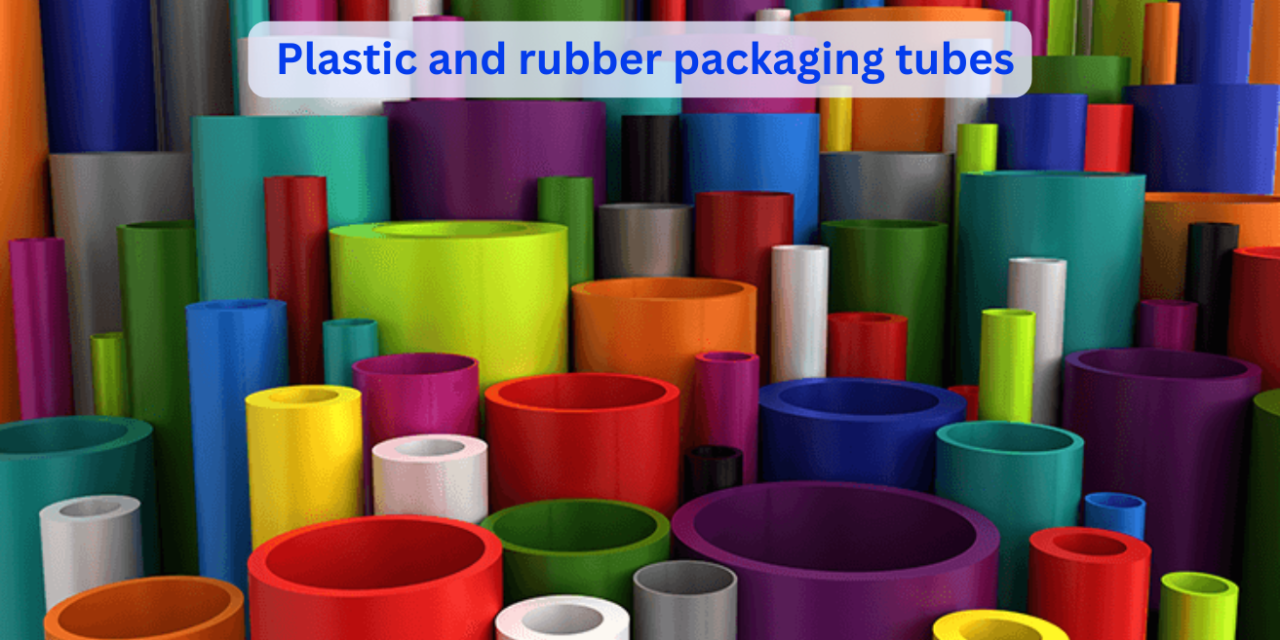
Plastic and rubber packaging tubes are versatile and widely used across various industries due to their durability, flexibility, lightweight properties, and barrier protection. These tubes are particularly popular in industries requiring efficient, secure, and user-friendly packaging solutions. Below are the key industries that heavily rely on plastic and rubber packaging tubes:
1. Cosmetics and Personal Care
Key Products:
- Skincare: Moisturizers, sunscreen, cleansers, and serums.
- Haircare: Shampoos, conditioners, and styling gels.
- Makeup: Foundation, concealers, and BB/CC creams.
- Hygiene: Toothpaste, hand sanitizers, and body lotions.
Why Tubes are Preferred:
- Squeezability: Makes it easy for consumers to dispense the product.
- Barrier Protection: Protects sensitive formulations from oxygen, light, and contamination.
- Aesthetic Appeal: Allows for attractive designs and branding.
- Portability: Lightweight and convenient for travel-sized products.
Trends in the Industry:
- Increased use of sustainable materials like bio-plastics and recycled plastics.
- Adoption of premium designs with multi-layer structures for luxury products.
2. Pharmaceuticals
Key Products:
- Ointments and creams: Antibiotic ointments, anti-inflammatory gels, and antifungal creams.
- Gels: Pain relief gels, anesthetics, and contraceptive gels.
- Pastes: Medicated toothpastes, wound care pastes, and diaper rash creams.
Why Tubes are Preferred:
- Hygienic Dispensing: Ensures minimal contamination.
- Precise Application: Allows controlled dispensing for topical medications.
- Barrier Properties: Protects active ingredients from degradation due to light, air, or moisture.
- Sterilization Compatibility: Materials like HDPE and PP withstand sterilization processes.
Trends in the Industry:
- Use of tamper-evident seals for enhanced safety.
- Development of child-resistant caps for added security.
3. Food and Beverages
Key Products:
- Sauces and condiments: Ketchup, mayonnaise, mustard, and salad dressings.
- Dairy: Yogurt, condensed milk, and cheese spreads.
- Confectionery: Frostings, chocolate spreads, and syrups.
- Nutritional products: Energy gels, protein pastes, and meal supplements.
Why Tubes are Preferred:
- Convenience: Easy-to-use packaging for on-the-go consumption.
- Preservation: Maintains freshness and prevents contamination.
- Portion Control: Ideal for single-serve or small portion sizes.
- Customizable Designs: Tubes can be printed with nutritional information and branding.
Trends in the Industry:
- Use of multi-layer tubes with EVOH for improved barrier properties.
- Adoption of biodegradable materials to reduce environmental impact.
4. Industrial and Automotive
Key Products:
- Adhesives: Silicone, epoxy, and super glue.
- Sealants: Rubber-based and silicone sealants.
- Lubricants: Greases, oils, and anti-corrosion pastes.
- Cleaners: Industrial hand cleaners and degreasers.
Why Tubes are Preferred:
- Durability: Withstand rough handling and extreme environments.
- Chemical Resistance: Suitable for storing volatile or reactive materials.
- Controlled Dispensing: Enables precise application for adhesives and sealants.
- Leak-Proof Designs: Prevents spillage or leakage during use.
Trends in the Industry:
- Increased demand for reusable closures and precision nozzles.
- Use of hybrid tubes with metal barriers for aggressive chemicals.
5. Healthcare and Medical Devices
Key Products:
- Diagnostic gels: Ultrasound gels, ECG gels, and conductive gels.
- Wound care: Antiseptic gels, burn creams, and healing ointments.
- Drug delivery: Prescription gels and topical medications.
- Sanitization: Hand sanitizers and alcohol-based cleaning solutions.
Why Tubes are Preferred:
- Hygienic Design: Prevents cross-contamination in clinical settings.
- Ease of Use: Facilitates single-handed dispensing by healthcare professionals.
- Sterile Packaging: Supports sterility for sensitive applications.
- Chemical Compatibility: Safe for active ingredients and medical formulations.
Trends in the Industry:
- Development of antimicrobial packaging to enhance safety.
- Use of single-use tubes for hygiene-critical applications.
6. Household and Cleaning Products
Key Products:
- Cleaning agents: Stain removers, detergents, and cleaning gels.
- DIY products: Caulks, adhesives, and grout fillers.
- Personal care: Handwash gels and antibacterial creams.
Why Tubes are Preferred:
- Portability: Lightweight and easy to store.
- Precision Application: Facilitates targeted use for DIY and cleaning tasks.
- Durability: Resistant to wear and tear during regular use.
- Barrier Protection: Prevents exposure to air and moisture, preserving product efficacy.
Trends in the Industry:
- Shift toward recyclable plastics for eco-friendly branding.
- Introduction of reusable and refillable tube systems.
7. Cosmetics and Luxury Products
Key Products:
- High-end skincare: Anti-aging creams, serums, and facial masks.
- Makeup: Primers, foundations, and lip gloss.
- Haircare: Hair masks, leave-in treatments, and styling gels.
Why Tubes are Preferred:
- Premium Designs: Allows for glossy finishes, embossing, and custom shapes.
- Portability: Ideal for travel-sized luxury items.
- Controlled Dispensing: Prevents waste of high-value formulations.
Trends in the Industry:
- Use of sustainable materials like bio-PE and PLA for luxury branding.
- Integration of smart packaging with QR codes or NFC tags.
8. Paints and Art Supplies
Key Products:
- Paints: Acrylic, oil, and watercolor paints.
- Glues and adhesives: Craft glues and resins.
- Specialty products: Varnishes, primers, and fixatives.
Why Tubes are Preferred:
- Precision Dispensing: Enables artists to use only the required amount of product.
- Portability: Lightweight and easy to carry.
- Preservation: Protects paints from drying out or contamination.
Trends in the Industry:
- Introduction of multi-layer tubes to prevent drying or discoloration.
- Use of reusable caps for extended product life.
Packaging tubes have become indispensable across these industries due to their ability to balance functionality, cost-efficiency, and consumer convenience. As sustainability and design innovation drive the market, the demand for eco-friendly materials, reusable designs, and advanced features is set to grow.