Single-use plastic packaging has become a major environmental concern due to its widespread use and its significant impact on ecosystems, wildlife, and human health. While plastic packaging is incredibly effective for preserving products, reducing waste, and improving convenience, it poses several environmental challenges. However, the packaging industry is actively addressing these issues through innovations, regulations, and sustainable practices. Below are the key environmental challenges and how the industry is working to mitigate them:
Environmental Challenges Associated with Single-Use Plastic Packaging
1. Waste Accumulation and Landfill Overflow
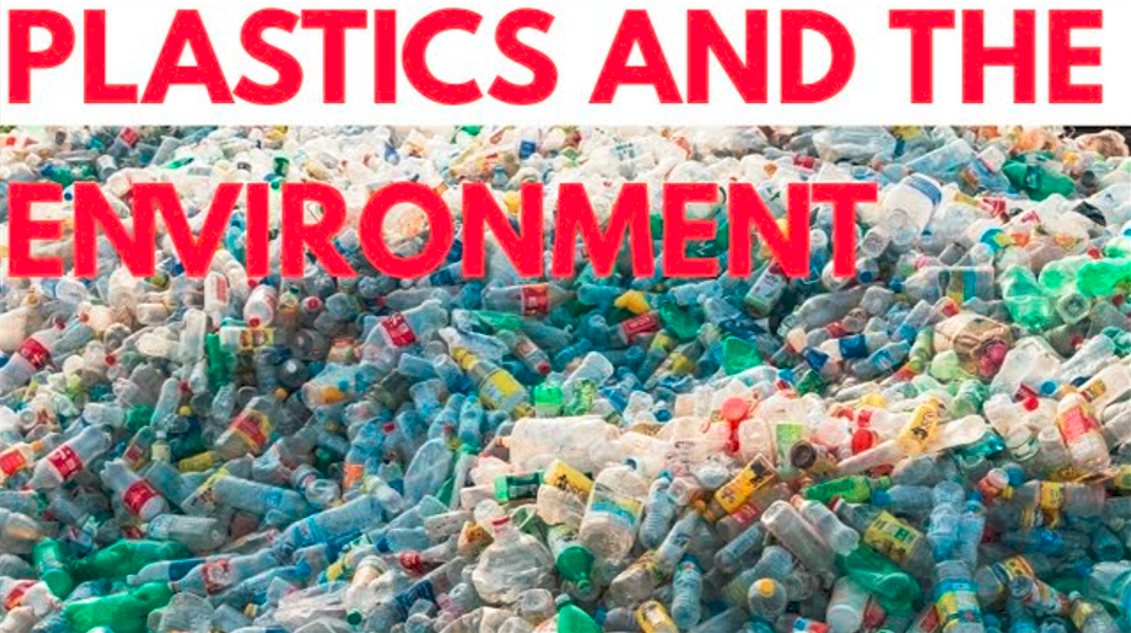
- Single-use plastic packaging often ends up in landfills after use, contributing to mountains of waste. Plastics can take hundreds of years to degrade, resulting in long-term environmental impacts. The volume of plastic waste has significantly increased due to the widespread use of packaging for everything from beverages to snacks and consumer goods.
- Challenge: The non-biodegradability of many plastic materials means they persist in landfills and environments, contributing to the ever-growing plastic waste crisis.
2. Pollution of Oceans and Waterways
- Plastic pollution is one of the most visible and harmful environmental problems today, particularly in our oceans and waterways. Single-use plastics like plastic bags, bottles, straws, and food wrappers are commonly found in oceans, posing a threat to marine life.
- Challenge: Marine animals can ingest plastic debris, leading to injury or death. In addition, plastics degrade into microplastics, which have been found in water supplies, marine life, and even in the human food chain.
3. Resource Consumption and Carbon Footprint
- The production of plastic packaging consumes fossil fuels and contributes to carbon emissions, exacerbating the environmental challenges associated with plastic waste. The manufacture of virgin plastic (i.e., plastic made from raw, non-recycled materials) requires large amounts of energy and raw materials, contributing to the carbon footprint of plastic packaging.
- Challenge: Plastics are derived from petrochemicals, meaning the production process is energy-intensive, leading to high greenhouse gas emissions and environmental pollution.
4. Recycling Challenges
- While plastic packaging is technically recyclable, only a small fraction of it is actually recycled. Many types of plastic are not recyclable or are difficult to recycle due to the variety of materials used in packaging or contamination from food and liquids. The lack of efficient recycling infrastructure and consumer awareness about proper disposal also contributes to poor recycling rates.
- Challenge: The complexity of recycling and lack of universal recycling systems often mean that large amounts of plastic packaging still end up in landfills or incinerators.
5. Wildlife and Ecosystem Disruption
- Plastics, especially single-use plastic bags and packaging, pose significant threats to wildlife. Animals may mistake plastic for food, and ingestion of plastic can cause obstructions in their digestive systems, malnutrition, or even death.
- Challenge: The physical harm caused by plastic debris and its toxic chemical leaching are harmful to ecosystems, including freshwater, marine, and terrestrial habitats.
How the Industry is Addressing Environmental Challenges
1. Transitioning to Sustainable Packaging Materials
- Biodegradable Plastics: Companies are developing biodegradable plastics that decompose faster than traditional plastic, reducing long-term environmental impact. Materials like PLA (polylactic acid) and PHA (polyhydroxyalkanoates) are being used as alternatives to petroleum-based plastics, as they break down more easily in the environment.
- Recycled Plastics: Many companies are transitioning to using recycled plastic (rPET) for packaging. This reduces the demand for virgin plastic and minimizes waste, contributing to a circular economy where plastics are reused, reducing the need for new raw materials.
- Plant-Based Plastics: Some companies are exploring the use of plant-based plastics made from renewable resources like corn or sugarcane. These alternatives reduce dependence on fossil fuels and may offer more sustainable options for single-use packaging.
2. Improved Recycling Technologies
- Enhanced Recycling Systems: The development of more efficient recycling technologies, such as chemical recycling, allows for the breakdown of plastic into its original monomers, which can then be reused to produce new plastic. This could potentially enable closed-loop recycling, where plastic products are continually recycled into new packaging.
- Standardizing Plastics for Recycling: Efforts are being made to standardize the types of plastics used in packaging, making it easier to sort and recycle materials. For example, reducing the use of mixed plastics in packaging can improve the quality and efficiency of recycling streams.
- Increased Collection and Sorting: Investments in automated sorting technologies and better collection infrastructure in communities are aimed at improving the efficiency of recycling systems, ensuring more plastics are diverted from landfills.
3. Reducing Plastic Use Through Design Innovation
- Minimalist Packaging: Many companies are redesigning packaging to use less plastic, such as through lightweighting (reducing the amount of plastic used) and adopting minimalist designs. This reduces the overall environmental footprint of the packaging.
- Alternative Materials: The use of paper-based packaging, cardboard, or edible packaging is growing in sectors like food and beverage. These alternatives offer similar protective properties while being easier to recycle or compost.
- Edible and Water-Soluble Packaging: Innovations such as edible packaging or water-soluble films are being explored for certain food items, potentially offering a solution to the plastic waste problem in single-use packaging.
4. Implementing Extended Producer Responsibility (EPR)
- EPR Programs: Many countries are implementing extended producer responsibility programs, which require manufacturers to take responsibility for the lifecycle of their packaging. These programs typically include requirements for collection, recycling, and reducing waste associated with plastic packaging.
- Deposit Return Schemes (DRS): Some regions have introduced deposit return schemes where consumers pay a deposit on plastic bottles or cans, which is refunded when the product is returned for recycling. This system encourages higher recycling rates and reduces litter.
5. Public Awareness and Regulatory Measures
- Bans and Restrictions: Governments around the world are increasingly introducing plastic bans or restrictions on single-use plastic packaging, particularly for items like plastic bags, straws, and cutlery. These measures are designed to reduce plastic consumption and encourage the adoption of more sustainable alternatives.
- Consumer Education: Many companies and organizations are also working to raise awareness among consumers about the importance of reducing plastic waste and properly recycling packaging materials.
6. Carbon Footprint Reduction and Sustainable Practices
- Eco-Friendly Manufacturing: Packaging companies are adopting more sustainable manufacturing processes, using renewable energy sources, and reducing carbon emissions associated with plastic production.
- Sustainable Logistics: Packaging companies are also focusing on making the entire supply chain more sustainable, from sourcing and production to distribution and waste management. By adopting greener practices, they aim to reduce the overall environmental impact of their packaging.
Conclusion
While single-use plastic packaging presents significant environmental challenges, the industry is actively working to mitigate its impact through various strategies. Innovations in biodegradable materials, recycling technologies, design improvements, and regulatory measures are paving the way for a more sustainable packaging system. The transition to circular economies, where plastics are reused, recycled, and replaced by sustainable alternatives, is essential to reducing the long-term environmental harm caused by plastic packaging. As awareness and regulations continue to evolve, the packaging industry will play a critical role in addressing the plastic waste crisis and working toward more sustainable solutions.
Hashtags
#SingleUsePlastics #PlasticWasteCrisis #PollutionAwareness #OceanPlastic #EnvironmentalImpact #RecyclePlastic #ReducePlasticWaste #SustainablePackaging #EcoFriendlySolutions #CircularEconomy #GreenPackaging #InnovativeMaterials #BiodegradablePackaging #RecyclablePackaging #SustainableInnovation #SayNoToPlastic #PlasticFreeFuture #EcoConsciousLiving #SaveThePlanet #ReduceReuseRecycle #PlasticAlternatives #CompostableMaterials #BioBasedPackaging #AdvancedRecycling #FutureOfPackaging #PackagingIndustry #SustainabilityMatters #EcoInnovation #GreenSolutions #EnvironmentFirst