Innovations in catalyst technology play a critical role in enhancing the efficiency and sustainability of polymer production. Catalysts are substances that accelerate chemical reactions without being consumed in the process. In the context of polymer manufacturing, catalysts are used in polymerization reactions to produce polymers with specific properties, improve yield, and reduce waste and energy consumption. Here’s how advancements in catalyst technology are influencing polymer production:
1. Improved Efficiency in Polymerization
a) Faster Reaction Rates
- Modern catalysts, particularly homogeneous catalysts and heterogeneous catalysts, have improved the speed of polymerization reactions. This leads to higher production rates and greater throughput in polymer manufacturing. Faster polymerization reduces the overall production time, which makes the process more cost-effective and scalable.
- For example, Ziegler-Natta catalysts and metallocene catalysts enable more controlled and efficient olefin polymerization (e.g., polyethylene (PE) and polypropylene (PP)), allowing for the production of high-quality polymers at a lower cost.
b) Higher Polymer Yield
- Innovations in catalyst design have led to catalysts with higher activity, which means they can convert more monomer into polymer. This improves the yield of the polymerization process, leading to higher output and reduced raw material consumption.
- Metallocene catalysts, for instance, offer more precise control over polymer molecular weight, tacticity, and polymer structure, leading to better polymer properties and higher efficiency in producing customized polymers.
2. Enhanced Polymer Properties
a) Control Over Polymer Architecture
- Advanced catalyst technologies, especially single-site catalysts (e.g., metallocene-based catalysts), allow for precise control over polymer chain structure, such as molecular weight distribution, branching, and crystallinity. This enables the production of polymers with specific mechanical and thermal properties tailored to the needs of different industries.
- For instance, polyethylene (PE) produced with metallocene catalysts can have narrow molecular weight distribution and improved mechanical strength, making it ideal for high-performance applications like automotive parts and medical devices.
b) Synthesis of Biodegradable and Bio-Based Polymers
- Catalyst innovations have also facilitated the development of bio-based polymers made from renewable resources like corn starch and sugarcane. These catalysts enable the efficient polymerization of bio-based monomers like lactic acid (used in PLA) and ethylene glycol (used in bio-based PET), which are more sustainable than petroleum-derived polymers.
- In addition, green catalysts are helping to drive the development of biodegradable plastics (e.g., PHA, PLA) that can reduce plastic pollution.
3. Reduced Environmental Impact
a) Lower Energy Consumption
- Catalysts enable polymerization reactions to occur at lower temperatures and pressures, significantly reducing the energy required for production. This leads to lower operational costs and a reduced carbon footprint for polymer manufacturers.
- Zeolite catalysts used in ethylene polymerization and PP production allow these reactions to occur efficiently at ambient temperatures, resulting in energy savings during manufacturing.
b) Minimized Waste Generation
- Catalyst innovations also help reduce the formation of by-products and waste during polymerization. For example, more selective catalysts produce fewer unwanted side products, improving the selectivity of the polymerization reaction.
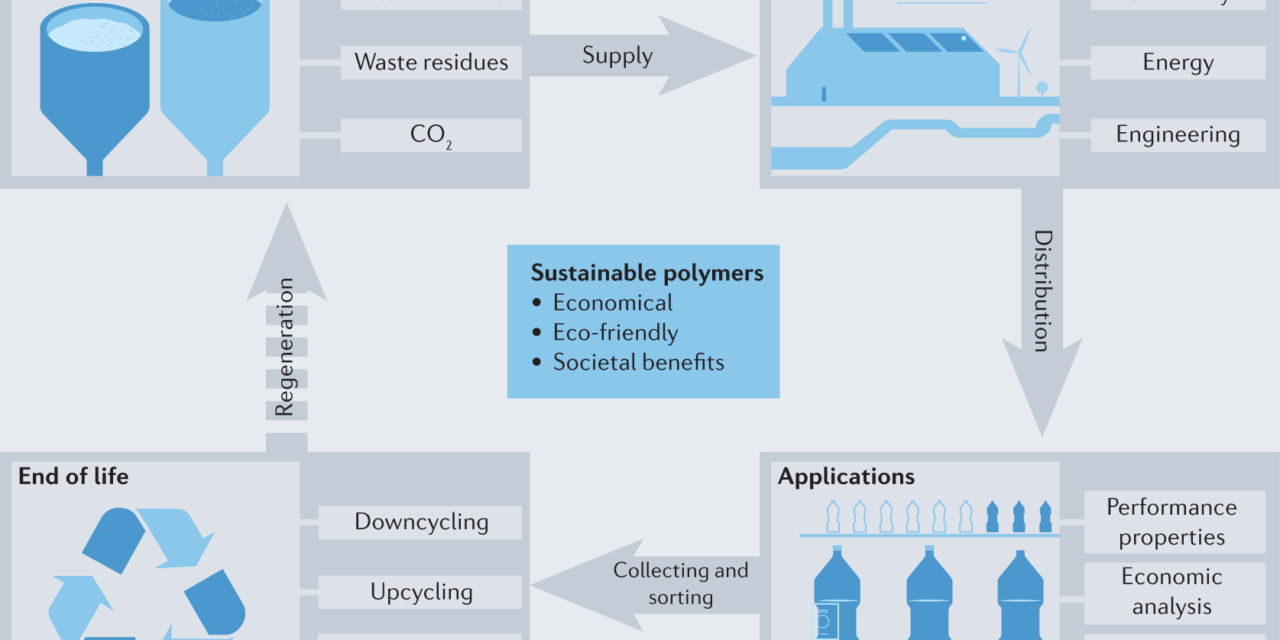
- Advanced catalysts also enable recyclability of certain polymers by facilitating the production of monomers that can be reused in the polymerization process, contributing to a circular economy.
c) Green Catalysis
- Green catalysis involves the use of catalysts that are not only highly efficient but also environmentally benign. For instance, the development of biocatalysts and enzyme-based catalysts allows for the use of renewable feedstocks and solvents, reducing the environmental impact of polymer production.
- By using biodegradable catalysts or those derived from renewable resources, the industry can reduce its dependence on toxic chemicals and hazardous solvents, minimizing waste and enhancing sustainability.
4. Cost Reduction
a) Use of More Abundant and Cheaper Raw Materials
- Innovations in catalysts have allowed manufacturers to use a broader range of monomers and feedstocks, including less expensive or more abundant raw materials. This reduces the overall cost of polymer production.
- For example, catalysts developed for styrene polymerization or bio-based polyamides allow the use of cheaper or renewable feedstocks, reducing dependence on expensive petrochemical resources.
b) Recycling of Polymer Materials
- Catalytic depolymerization processes allow for the breakdown of polymer waste back into monomers that can be reused in the production of new polymers. This recycling process reduces the need for virgin feedstocks and lowers material costs while also promoting sustainability in the industry.
- Catalysts in chemical recycling enable the efficient conversion of polymers like PET back into purified monomers, which can then be re-polymerized into new, high-quality products.
5. Innovations in Catalysis for Specific Polymer Types
a) Polyolefins (PE, PP)
- The development of metallocene catalysts has revolutionized the production of polyolefins such as polyethylene (PE) and polypropylene (PP) by allowing better control over polymer structure, leading to higher-performance materials with improved strength, flexibility, and durability.
b) Polystyrene and Styrene Copolymers
- Ziegler-Natta catalysts and metallocene catalysts are used to polymerize styrene and produce styrene-butadiene rubber (SBR) and styrene-acrylonitrile (SAN) copolymers, enabling the development of materials with enhanced properties for automotive and packaging applications.
c) Polyesters (PET)
- Polyester synthesis has been significantly improved by catalyst innovations that allow for the production of bio-based PET from renewable sources such as biomass. The use of biocatalysts and efficient polymerization techniques has made the process more sustainable and cost-effective.
6. Future Directions in Catalyst Technology for Polymers
- Catalyst Recycling: Research is underway to develop catalysts that can be easily recycled or regenerated, reducing the need for fresh catalyst material and improving the sustainability of polymer manufacturing processes.
- Catalysts for High-Performance Polymers: Ongoing work on advanced catalysts is focused on the synthesis of high-performance polymers with tailored properties for specialized applications, such as biomedical devices, aerospace, and automotive components.
- Biocatalysis: The future of sustainable polymer production lies in the development of biocatalysts that can carry out polymerization using renewable feedstocks, thus contributing to a more eco-friendly and cost-effective polymer industry.
Innovations in catalyst technology have a significant impact on the efficiency and sustainability of polymer production. By improving reaction rates, reducing energy consumption, enhancing polymer properties, and enabling the use of renewable feedstocks, advanced catalysts help make polymer production more sustainable and cost-effective.