The automotive industry is undergoing a significant transformation as leading automakers increasingly embrace sustainability by shifting towards recycled materials and biodegradable parts. With growing concerns over environmental impact, the industry is moving away from traditional production methods that rely heavily on virgin plastic and non-recyclable components. Instead, companies are incorporating recycled metals, plastics, and biodegradable materials into vehicle designs, aiming to reduce carbon footprints and promote circular economy practices.
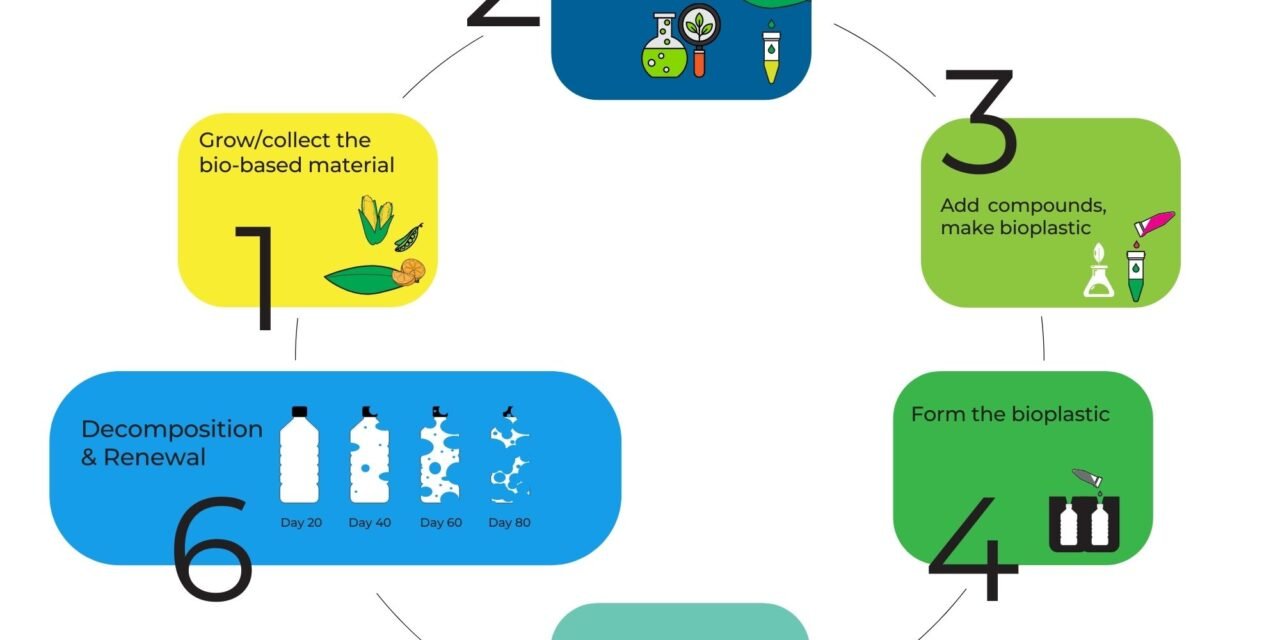
Innovations in material science have enabled automakers to use a variety of sustainable materials, including recycled aluminum, recycled plastic composites, and biodegradable polymers for both interior and exterior components. Notable examples include seat covers, dashboard elements, and insulation materials made from plant-based plastics, and recycled fabrics for vehicle upholstery. These materials not only reduce waste but also improve the vehicle’s eco-friendly credentials, making them more attractive to environmentally conscious consumers.
“The shift towards recycled materials and biodegradable parts is a critical step in reducing the environmental impact of automotive manufacturing. Our goal is to lead the way in producing vehicles that are both high-performing and sustainable,” said a spokesperson from a leading automaker.
In addition to materials, automakers are exploring energy-efficient manufacturing processes, such as reducing emissions during production and optimizing supply chains to further enhance the sustainability of their vehicles. This shift aligns with the automotive industry’s broader push toward electric vehicles (EVs), which aim to reduce dependence on fossil fuels and promote cleaner alternatives for transportation.
The integration of recycled and biodegradable parts is not only setting a new standard for eco-friendly vehicles but also helping automakers meet increasing regulatory demands and consumer expectations for more sustainable products. As the automotive industry continues to innovate, the shift towards sustainable materials and biodegradable components is expected to play a major role in shaping the future of green manufacturing and sustainable transportation.