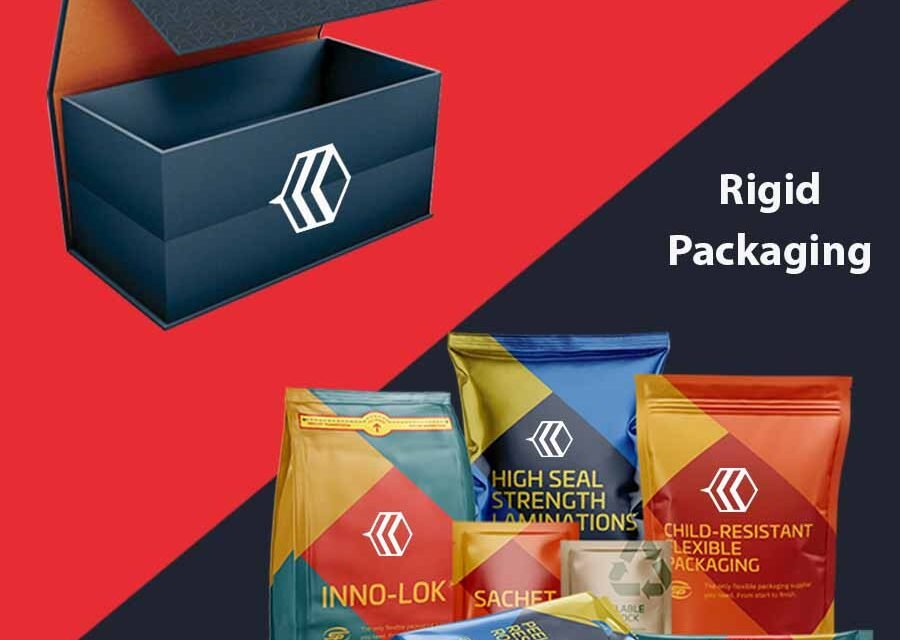
The main difference between rigid and flexible plastic packaging lies in their structure, formability, and the functionality they offer in protecting, storing, and transporting products. Each type of plastic packaging has unique properties that make it suitable for specific applications. Below is a detailed comparison of the two, along with their typical uses:
Rigid Plastic Packaging
Properties:
- Solid Structure: Rigid plastic packaging is firm and maintains its shape under normal conditions. It does not bend or collapse easily.
- Durability: It provides greater protection to the product inside, offering impact resistance and structural integrity during handling and transportation.
- Stability: Rigid packaging typically retains its shape and volume even when exposed to external forces like stacking, pressure, or weight.
- Higher Barrier Properties: It often provides better moisture, oxygen, and light barriers compared to flexible packaging.
Typical Uses:
- Bottles and Jars: PET, HDPE, and PVC bottles are commonly used for beverages, cleaning products, shampoos, and pharmaceuticals. Their rigid structure helps preserve the contents and provides a sturdy seal.
- Containers: Tupperware, food storage containers, and cosmetic jars made from polypropylene (PP) or PET are common examples. These rigid containers are used to store food, household items, or cosmetics and provide stackability.
- Cups and Trays: Rigid food trays made of PS (polystyrene) or PP are often used for ready meals or fresh produce. Blister packs made from rigid PVC are used for consumer goods such as electronics or pharmaceutical products.
- Tubes: Rigid plastic tubes, such as those made from HDPE, are used for toothpaste, cosmetics, and medicinal creams. The rigidity provides controlled dispensing and maintains the integrity of the product inside.
- Packaging for High-Value Products: Pharmaceuticals, electronics, and high-end cosmetics often use rigid packaging to ensure protection, visibility, and safety.
Advantages:
- Protection: Provides excellent protection for fragile or valuable products due to its sturdy and rigid nature.
- Reusability: Some rigid plastics are designed for reusability, which can benefit packaging in products like food containers.
- Shelf Display: Rigid packaging allows for better stacking and visibility, making it ideal for retail display.
Disadvantages:
- Heavier: Typically heavier than flexible packaging, which increases transportation costs and can limit sustainability efforts.
- Space Inefficiency: Rigid packaging is less space-efficient compared to flexible packaging, which can be problematic for shipping and storage.
Flexible Plastic Packaging
Properties:
- Bendable and Lightweight: Flexible plastic packaging is lightweight and pliable, meaning it can be easily compressed, folded, and sealed.
- Space-Efficient: Flexible packaging can be designed to take up less space compared to rigid packaging, making it ideal for efficient storage and shipping.
- Variety of Formats: Flexible packaging comes in many formats, including films, bags, pouches, and wraps, which can be tailored to meet specific product needs.
- Barrier Protection: Although flexible plastics offer good moisture and gas barrier properties, they may not be as effective as rigid plastics in offering long-term protection, depending on the material used (e.g., multilayer films can enhance barrier properties).
Typical Uses:
- Snack Bags and Pouches: Flexible packaging is widely used for snacks, chips, cereal, and pouches for liquids or ready-to-eat meals. Polyethylene (PE) and polypropylene (PP) films are commonly used for these applications.
- Stand-Up Pouches: These are commonly used for packaging juices, soups, powders, and baby food. Their ability to stand upright makes them convenient for shelf display and storage.
- Shrink Films: Flexible shrink films made from PVC or polyolefin are often used to wrap products like beverages, cans, and bottles for protective packaging.
- Plastic Wraps and Cling Films: Stretchable polyethylene is used for wrapping fresh produce, meat products, or cheese to preserve freshness and prevent contamination.
- Foil and Laminate Packaging: Flexible foil or laminated films are used for coffee, chocolates, pills, and medical supplies, where the high barrier properties help protect the contents from moisture, light, and oxygen.
Advantages:
- Lightweight: Flexible packaging is lighter, which reduces transportation costs and energy consumption.
- Cost-Effective: Flexible packaging tends to be less expensive to produce than rigid packaging, making it suitable for mass-produced consumer goods.
- Sustainability: Flexible packaging can be more sustainable in certain cases, as it requires fewer resources to produce and can often be made from recycled materials.
- Space-Saving: Flexible packaging is often more compact and space-efficient, making it ideal for storage and shipping.
Disadvantages:
- Limited Protection: Flexible packaging offers less protection than rigid packaging, which may be a disadvantage for fragile or high-value products.
- Perceived Lower Quality: Flexible packaging may sometimes be perceived as lower quality or less premium than rigid containers, especially for high-end products.
- Potential for Leaks: Flexible packaging can sometimes fail to provide a secure seal, leading to potential leaks or contamination, especially in food packaging.
Conclusion
The choice between rigid and flexible plastic packaging depends on the specific requirements of the product being packaged, including its fragility, shelf life, transportation needs, and cost-effectiveness. Rigid plastic packaging is ideal for products that require structural integrity, protection, and aesthetic appeal, such as beverages, medical devices, and luxury products. On the other hand, flexible plastic packaging is preferred for cost-effective, lightweight, and space-efficient solutions in packaging snacks, liquid products, and consumer goods. Both types of packaging continue to evolve with advancements in materials science, offering better performance and sustainability options for the packaging industry.
Hashtags
#PlasticPackaging #PackagingSolutions #FlexiblePackaging #RigidPackaging #CustomPackaging #PackagingDesign #MaterialScience #LightweightPackaging #DurablePackaging #InnovativePackaging #FoodPackaging #BeveragePackaging #MedicalPackaging #IndustrialPackaging #ConsumerGoodsPackaging #RigidPlastic #HardShellPackaging #BottleAndJarPackaging #DurableDesign #ProtectivePackaging #FlexiblePlastic #PouchPackaging #WrapAndSeal #LightweightAndPortable #SpaceEfficient #RecyclablePackaging #EcoFriendlyPackaging #SustainableMaterials #CircularEconomy #GreenPackaging #PackagingIndustry