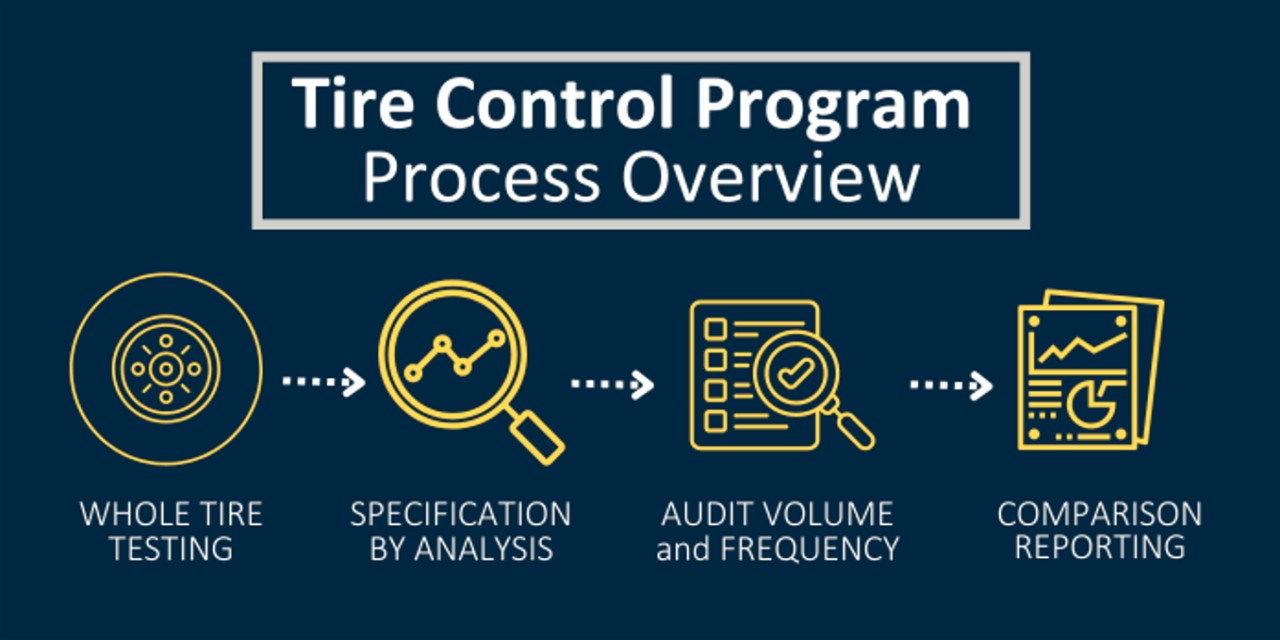
Tire manufacturers employ a rigorous process of testing and quality control to ensure that tires meet safety and durability standards. This process involves a combination of advanced testing techniques, material quality control, and simulation models to replicate real-world driving conditions. Here are the key methods tire manufacturers use to ensure the safety and durability of their products:
1. Material Quality Control
- Raw Material Inspection: Tires are made from a variety of materials, including rubber, steel, carbon black, and synthetic compounds. Manufacturers begin by carefully inspecting and testing these raw materials to ensure they meet quality specifications.
- Batch Testing: Rubber compounds used in tire production undergo rigorous batch testing to verify the chemical composition and ensure consistent quality throughout the manufacturing process. This includes testing for hardness, elasticity, and tensile strength.
- Supplier Audits: Manufacturers often audit suppliers to ensure the materials they provide meet the necessary standards for tire performance, durability, and safety.
2. Visual and Physical Inspections
- Pre-Production Inspection: Before the manufacturing process begins, manufacturers inspect the design and specifications of the tire to ensure it meets both safety standards and performance criteria.
- In-Process Visual Inspections: During tire production, tires are visually inspected for defects such as foreign material contamination, blemishes, or imperfections in the rubber. Visual inspections also check for any issues during the tire’s vulcanization process (the process that hardens the rubber).
- Uniformity Testing: The uniformity of the tire is crucial for its smooth performance and longevity. Manufacturers use machines like uniformity testers to check for issues such as out-of-roundness or imbalance. Tires that are out of round may result in vibrations during driving, leading to premature wear or handling issues.
3. Performance Testing
Tires undergo various performance tests to assess their handling, grip, and durability in real-world driving conditions. These tests simulate different road surfaces and weather conditions to evaluate the tire’s overall performance.
a) Tire Durability Tests
- Tire Endurance Testing: Tires are subjected to endurance tests to evaluate how they perform under extended use. This often involves subjecting the tire to high speeds, heavy loads, and high temperatures in a controlled environment to simulate long-term wear.
- Road Hazard Testing: Tires are tested for puncture resistance by driving over obstacles like nails, glass, and other debris that could puncture the tire. This is done to ensure that the tire can handle unexpected road hazards without failing.
b) Traction and Handling Tests
- Wet and Dry Traction Testing: Tires are tested for traction on both wet and dry surfaces using specialized machines that simulate wet road conditions. Testing includes braking and cornering to ensure the tire performs well in emergency braking situations and while cornering at high speeds.
- Braking Performance: Braking tests are performed to measure how effectively the tire can stop a vehicle, both in dry and wet conditions. This helps ensure that the tire provides optimal grip during sudden braking.
- Wet and Snow Testing: Tires are also tested in snow and ice conditions to evaluate their performance on slick surfaces. Manufacturers use controlled ice tracks and wet tracks to test traction, braking, and acceleration.
c) High-Speed Testing
- High-Speed Testing: Tires are tested at high speeds on specialized high-speed test tracks to assess their performance at speeds much higher than typical highway driving. This testing checks for issues such as tire stability, heat buildup, and structural integrity.
- Speed Endurance Testing: Tires are run for extended periods at high speeds to check for wear, heat buildup, and any potential failure points. This ensures that the tire maintains performance and safety during high-speed driving, such as on highways or race tracks.
4. Environmental and Weather Testing
- Temperature Sensitivity: Tires are subjected to extreme temperature conditions, including hot weather and cold weather, to ensure they perform well across various climates. Tires must retain elasticity in cold temperatures and maintain heat resistance in high temperatures.
- Ozone and UV Testing: Tires are exposed to ozone and ultraviolet (UV) light to test their resistance to cracking and degradation, which is crucial for longevity and performance over time.
- Hydroplaning Resistance: Tires are tested for their ability to resist hydroplaning on wet surfaces. This is particularly important for tires used in rainy conditions, as the tire must be able to efficiently disperse water to maintain traction.
5. Quality Control During Manufacturing
- Vulcanization Process Control: The vulcanization process is critical for determining the tire’s final properties. Tire manufacturers carefully control the temperature and pressure during this process to ensure the rubber hardens to the desired consistency and durability.
- Automated Testing Systems: Modern manufacturing plants use automated testing machines that continually check tire performance during production. These systems ensure that each tire meets the required specifications for weight, balance, and tread uniformity.
- X-ray and Imaging: Manufacturers use X-ray machines or ultrasound to check for defects inside the tire, such as inconsistencies in the rubber or steel wire placement, ensuring structural integrity.
6. Standardization and Certification
- Regulatory Compliance: Tire manufacturers ensure that their products meet global safety and quality standards. For instance:
- DOT (Department of Transportation) certification in the U.S.
- ECE (Economic Commission for Europe) certification in Europe.
- ISO (International Organization for Standardization) standards.
- Tire Labels and Markings: Tires are marked with specific codes and labels indicating their compliance with safety standards, such as load capacity, speed rating, and treadwear performance.
- International Testing Protocols: Manufacturers adhere to international standards for tire testing, ensuring their products meet regulatory requirements across different regions.
7. Real-World Testing and Consumer Feedback
- Field Testing: In addition to laboratory testing, manufacturers conduct real-world tests by fitting tires to vehicles and subjecting them to everyday driving conditions. This allows for practical feedback regarding the tire’s performance in various conditions.
- Consumer Feedback: Manufacturers often use consumer data and feedback from tire retailers to make adjustments in tire design, addressing issues like noise, comfort, or performance over time.
Conclusion
Tire manufacturers employ a comprehensive approach to ensure safety, durability, and performance through rigorous testing and quality control. These tests include material inspections, endurance testing, traction assessments, and real-world performance simulations. By using a combination of advanced technologies, standardized procedures, and field testing, tire manufacturers ensure that their tires meet high safety standards, last longer, and provide optimal performance under various driving conditions. This commitment to quality and safety helps to ensure that consumers receive reliable, high-performing tires.
Hashtags
#TireSafety #TireQualityControl #TireTesting #TireDurability #QualityAssurance #TireStandards #TirePerformance #SafetyTesting #DurabilityTesting #TireManufacturing #TireInnovation #SafeTires #VehicleSafety #TestingAndQuality #QualityTires #TireTestingInnovation #TireCare