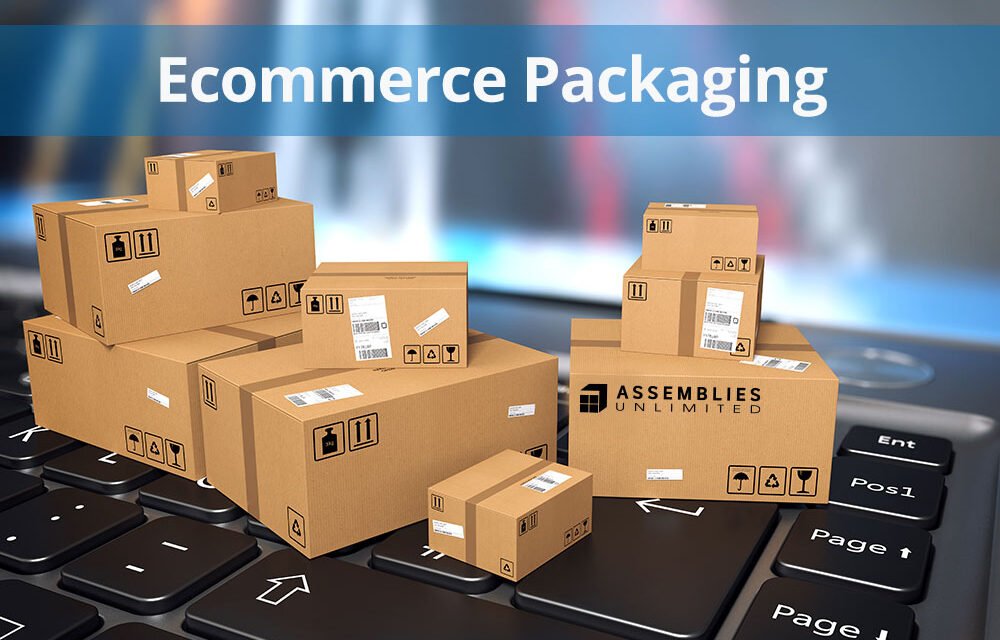
The rise of e-commerce has significantly influenced packaging material trends and innovations. As online shopping becomes more pervasive, packaging plays a crucial role in ensuring that products reach consumers safely, efficiently, and in good condition. The demand for convenience, sustainability, and cost-effectiveness has driven several key shifts in packaging material trends. Below are some of the major ways e-commerce has shaped packaging:
1. Increased Demand for Protective and Durable Packaging
- Product Protection: In e-commerce, products are often shipped long distances and subjected to multiple handling processes. This increases the need for packaging materials that provide adequate protection against damage during transit.
- Bubble wrap, air cushions, foam inserts, and rigid boxes are increasingly used to protect fragile items like electronics, glassware, and other delicate products.
- Corrugated cardboard continues to be widely used because it provides both strength and lightweight properties, making it ideal for shipping products of various sizes.
- Flexible Packaging: As e-commerce encompasses a wide range of product types (from small items like electronics accessories to large home goods), flexible packaging (e.g., bubble mailers, padded envelopes) is gaining traction because it is easy to handle, lightweight, and provides adequate protection at a lower cost.
2. Emphasis on Sustainability
- Consumer Demand for Eco-friendly Packaging: As consumers become more environmentally conscious, there is growing pressure for e-commerce businesses to use sustainable packaging solutions. Many consumers are increasingly willing to support brands that align with their sustainability values.
- Reduced Packaging: Companies are striving to minimize packaging waste, opting for right-sized packaging that reduces the overall volume of material used. By optimizing box sizes and avoiding over-packaging, brands can reduce material waste and lower shipping costs.
- Biodegradable and Recyclable Materials: The demand for biodegradable or recyclable packaging materials is on the rise. Materials like paper-based packaging, bioplastics, and mushroom-based packaging are being explored as alternatives to traditional plastic.
- Recycled Materials: Brands are increasingly using post-consumer recycled content (PCR) for packaging, such as recycled cardboard, recycled plastics, and recycled paper, which supports the circular economy and reduces waste.
- Compostable Packaging: Some e-commerce companies are adopting compostable materials for certain packaging applications, particularly for food packaging or single-use packaging like shipping pouches.
3. Lightweight and Cost-Effective Packaging
- Lower Shipping Costs: E-commerce businesses are looking for packaging materials that are lightweight yet durable to reduce overall shipping costs. Packaging that is both lightweight and protective ensures that customers receive their orders in good condition while also minimizing shipping expenses.
- Plastic Films and air pillows have replaced traditional packing materials like peanuts and heavy paper, as they offer lightweight cushioning at a lower cost.
- Flexible Packaging: Materials like polyethylene (PE) and polypropylene (PP) are commonly used for products like clothing and small electronics, as they are flexible, lightweight, and relatively inexpensive while still providing a good level of protection.
4. Customization and Branding
- Branded Packaging: With the growth of online shopping, e-commerce businesses are focusing on personalized packaging that enhances the customer experience. Packaging is becoming an essential part of branding and marketing, allowing companies to create a memorable unboxing experience.
- Printed Boxes: Custom-printed boxes with logos, product details, and unique designs are increasingly used to enhance brand identity and create a stronger connection with customers.
- Unboxing Experience: Packaging that is easy to open, aesthetically pleasing, and provides a premium experience is becoming more common in industries such as luxury goods, cosmetics, and subscription boxes.
5. Innovations in Returns Packaging
- Streamlining Returns: A key aspect of e-commerce is the ease of returns, which has led to innovations in packaging that facilitate the return process.
- Reusable Packaging: Some companies are moving towards reusable packaging for returns, which allows customers to send back products using the same packaging in which they were delivered. This minimizes waste and is more sustainable than single-use packaging.
- Self-Sealing and Return Labels: E-commerce businesses are integrating self-sealing packaging and pre-paid return labels into the packaging to make returns as hassle-free as possible for customers, which increases customer satisfaction and encourages repeat purchases.
6. Smart Packaging and Tracking
- Digital Integration: As e-commerce continues to grow, the need for better inventory management and tracking has led to the incorporation of smart technologies in packaging.
- QR Codes and RFID Tags: Packaging increasingly features QR codes and RFID (Radio Frequency Identification) tags to track products from warehouse to delivery. This allows for real-time tracking and updates on shipping status.
- Smart Labels: Smart packaging solutions are emerging, with the potential to monitor the condition of products (e.g., temperature, humidity) during transit, which is particularly valuable for perishable goods and medications.
7. Protective and Sustainable Fillers
- Sustainable Fillers: Traditional plastic-based packing peanuts and foam inserts are being replaced by more environmentally friendly fillers, such as paper-based void fillers, mushroom-based packaging, and cornstarch peanuts, which are biodegradable and compostable.
- Inflatable Packaging: Inflatable air pillows have become popular because they provide excellent protection with minimal material use. These air-filled cushions help secure products during shipping, while also taking up less space than traditional packing materials.
8. Global Supply Chain Considerations
- Global Reach: With e-commerce facilitating a global marketplace, packaging materials need to meet international standards and regulatory requirements. Packaging that can be easily recycled or reused in various countries is becoming essential.
- Packaging for Localized Markets: As e-commerce expands into diverse regions, companies are adapting packaging materials to local preferences, regulations, and environmental concerns, ensuring that packaging meets the specific needs of the consumer base in different markets.
Conclusion
The rise of e-commerce has significantly reshaped packaging trends, driving the demand for protective, cost-effective, and sustainable packaging solutions. Innovations in lightweight materials, recyclable and biodegradable options, smart packaging technologies, and customized branding are meeting the evolving needs of e-commerce businesses and consumers. As consumer expectations for convenience, sustainability, and personalization grow, packaging will continue to play a pivotal role in shaping the future of e-commerce.