The choice of packaging material for food products is determined by a combination of functional, economic, regulatory, and environmental factors. Packaging plays a critical role in preserving food safety, quality, and shelf life, while also meeting consumer preferences and regulatory standards. Below are the key factors that influence the choice of packaging material for food products:
1. Food Protection and Preservation
- Barrier Properties: Packaging materials must provide a barrier to moisture, oxygen, light, and contaminants that can degrade the food product. For instance:
- Oxygen barrier is important for preventing oxidation, which can lead to rancidity in products like oils, nuts, and chips.
- Moisture resistance is crucial for preserving the freshness of dry goods like cereals and crackers.
- UV light protection helps in preventing degradation of sensitive products such as dairy, juices, and vitamins.
- Physical Protection: The packaging must protect the food from mechanical damage (crushing, bruising) during transport, storage, and handling. This is particularly important for delicate or perishable products like fruits, vegetables, and eggs.
- Tamper Resistance: Packaging should be designed to prevent tampering and ensure that the product is not altered before reaching the consumer. Features like tamper-evident seals and shrink wraps are used for safety.
2. Shelf Life and Freshness
- Extended Shelf Life: Certain packaging materials can enhance shelf life by reducing spoilage, contamination, or exposure to oxygen. For example, vacuum sealing or modified atmosphere packaging (MAP) is used to extend the shelf life of products like meats, cheeses, and ready-to-eat meals by controlling the atmosphere inside the package.
- Temperature Sensitivity: Some food products, such as frozen foods or dairy, require packaging materials that can withstand low or high temperatures without degrading. For instance, multi-layer plastic films are often used for frozen foods, while foil laminates provide excellent temperature resistance for high-temperature applications.
3. Regulatory Compliance and Food Safety
- Food-Grade Material Standards: Packaging materials must comply with regulatory standards set by governing bodies such as the FDA (Food and Drug Administration) in the U.S. or the European Food Safety Authority (EFSA). These regulations ensure that the materials do not leach harmful chemicals into the food. For example:
- Materials must meet standards for migration limits of substances like plasticizers or inks that could potentially transfer into the food.
- Packaging for certain food items (such as meat, dairy, and baby food) may be subject to additional certifications, including ISO standards, to ensure they meet hygiene and safety requirements.
- Biocompatibility: The packaging must not interact negatively with the food, affecting taste, texture, or nutritional content.
4. Convenience and Consumer Preferences
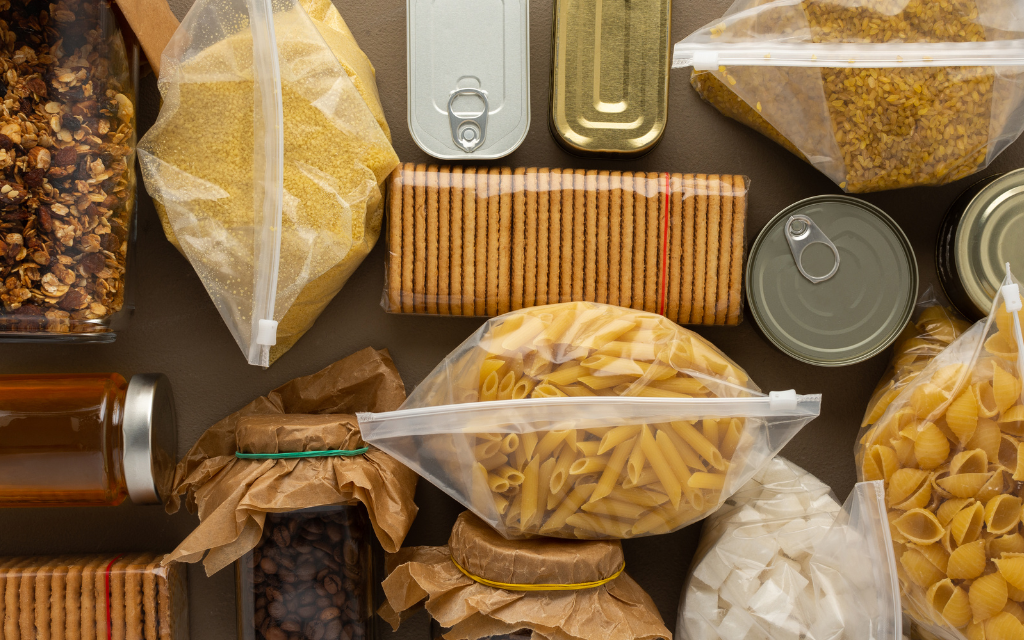
- Ease of Use: Packaging should be convenient for consumers to handle, open, and store. For example, resealable packaging is popular for snacks, coffee, and other products that need to maintain freshness after opening.
- Portion Control: Single-serve or portion-controlled packaging is often preferred for convenience and ease of consumption, especially in products like ready-to-eat meals, beverages, or snack packs.
- Aesthetics and Branding: The visual appeal of the packaging is important for attracting consumers. Packaging design, color, graphics, and labeling can influence consumer choice. Transparent packaging is often used to showcase the product, while colorful packaging can help the product stand out on shelves.
5. Cost Considerations
- Material Costs: Packaging material choice is often driven by cost efficiency. Some materials, like polyethylene (PE) and polypropylene (PP), are relatively inexpensive and widely used for packaging products like bottles, bags, and containers.
- Production and Logistics Costs: The overall cost of the packaging includes not only the raw material cost but also the cost of manufacturing, transportation, and storage. For instance, lightweight packaging can reduce logistics costs, and bulk packaging may be more cost-effective for certain applications.
- Sustainability vs. Cost: Sustainable packaging materials, such as bioplastics or recycled materials, can be more expensive than traditional plastics, but their cost is increasingly being balanced by consumer demand for eco-friendly solutions and potential savings in waste management.
6. Sustainability and Environmental Impact
- Recyclability: Packaging materials must be recyclable or made from recycled materials to reduce the environmental impact. Materials like PET and HDPE are recyclable and are widely used in food packaging, while some materials like PVC can be challenging to recycle.
- Biodegradability: Biodegradable packaging options, such as PLA (polylactic acid) or PHA (polyhydroxyalkanoates), are gaining popularity as sustainable alternatives, especially for single-use items like cups, straws, and takeout containers.
- Reducing Plastic Waste: There is a growing focus on reducing plastic waste through minimalist packaging or compostable packaging. Brands are investing in paper-based or plant-based packaging solutions to address consumer concerns about plastic pollution.
7. Compatibility with Packaging Technologies
- Compatibility with Automated Packaging: Packaging materials need to be compatible with existing packaging machinery. For example, flexible films or shrink wraps must work with automated filling and sealing equipment.
- Smart Packaging Integration: The use of smart packaging, which includes embedded sensors, RFID tags, or QR codes for tracking product freshness or providing consumer information, is becoming more common in the food industry.
8. Type of Food Product
Different food products have specific packaging needs based on their characteristics:
- Solid Foods (e.g., snacks, baked goods, candy): Packaging materials must preserve freshness and prevent contamination from air and moisture. Flexible films, foil laminates, and vacuum sealing are commonly used for such products.
- Liquids and Beverages: Tetra Pak, glass bottles, and plastic bottles are used for beverages. These materials must have good barrier properties to protect against light, oxygen, and moisture.
- Perishable Foods (e.g., meat, fish, dairy): Modified atmosphere packaging (MAP) or vacuum packaging is used to extend shelf life by reducing oxygen levels and controlling the atmosphere inside the package. Multi-layer films and rigid containers are common for these products.
- Frozen Foods: Freezer-grade packaging materials, such as polypropylene or laminated plastic films, are designed to protect frozen food from moisture and temperature fluctuations.
Conclusion
The choice of packaging material for food products is influenced by several factors, including food safety, product preservation, consumer convenience, cost-effectiveness, sustainability, and regulatory requirements. Materials like PET, HDPE, PP, and PVC are commonly used for their excellent protective properties and cost advantages, while newer, more sustainable materials such as bioplastics and recycled packaging are gaining ground as consumer demand for eco-friendly packaging increases. Ultimately, the selection of the most appropriate packaging material is a balance between functional performance, consumer preferences, regulatory compliance, and environmental considerations.