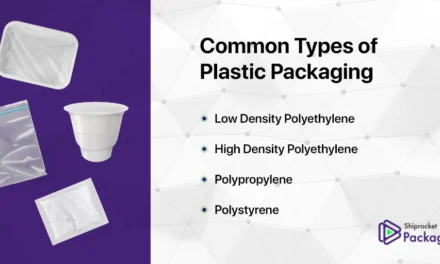
Rigid and flexible plastic packaging are two main types of packaging materials that serve different functions and offer distinct advantages. The key difference between them lies in their physical properties, such as shape retention, material strength, and formability. Below, I outline the main differences between rigid and flexible plastic packaging, along with their respective advantages.
1. Rigid Plastic Packaging
Rigid plastic packaging refers to packaging that maintains its shape and structure without deformation under normal handling conditions. It is typically made from stronger, thicker plastics and is commonly used for products that require stability, protection, and shelf display.
Common Materials:
- Polyethylene Terephthalate (PET)
- Polypropylene (PP)
- Polyvinyl Chloride (PVC)
- Polystyrene (PS)
- High-Density Polyethylene (HDPE)
Key Characteristics:
- Shape Retention: Rigid plastics maintain their form even when not filled with a product. Examples include bottles, containers, jars, and tubs.
- Strength: They are generally more durable and resistant to impact or crushing, which provides protection for the contents during transportation and handling.
- Stackable: Rigid packaging often has a structured shape, such as a cylindrical or rectangular design, making it easier to stack on shelves or during transport.
Advantages of Rigid Plastic Packaging:
- Product Protection: Rigid plastic provides excellent protection for products, especially fragile items like food or personal care products. It is resistant to crushing, tearing, or puncturing, offering a more robust barrier against environmental factors.
- Longer Shelf Life: Rigid plastic packaging is often used for food and beverage packaging, as it provides superior protection against oxygen, light, and moisture, helping to preserve freshness and extend shelf life.
- Brand Visibility: Due to its sturdy nature, rigid plastic packaging can be molded into eye-catching shapes and printed with high-quality graphics, making it ideal for branding and display on store shelves. It often stands out and helps in attracting consumer attention.
- Reusability: Some rigid plastic containers (e.g., food storage containers) can be reused multiple times, contributing to a more sustainable packaging option.
- Convenience: Products like bottles, jars, and tubs offer easy handling and storage options for consumers, often featuring features like screw caps, flip tops, or snap closures.
Common Uses:
- Bottles (e.g., water, beverages)
- Food containers (e.g., yogurt, ice cream tubs)
- Cosmetics packaging (e.g., shampoo bottles, lotion containers)
- Pharmaceutical containers (e.g., pill bottles)
- Storage jars and boxes for various consumer goods
2. Flexible Plastic Packaging
Flexible plastic packaging refers to materials that are thin, pliable, and capable of being bent or manipulated without breaking. This type of packaging is made from materials that are flexible and easily adaptable to various shapes and forms, including pouches, films, and wraps.
Common Materials:
- Polyethylene (PE)
- Polypropylene (PP)
- Polyethylene Terephthalate (PET)
- Polyvinylidene Chloride (PVDC)
- Laminated films (e.g., multi-layer structures)
- Aluminum foil (for flexible packaging films)
Key Characteristics:
- Pliability: Flexible plastics can be bent, folded, and shaped to fit the product, making them highly adaptable for a range of packaging needs.
- Thin and Lightweight: Flexible plastic materials are typically lighter and thinner compared to rigid plastics, making them cost-effective and efficient for packaging, especially when transporting goods in bulk.
- Formability: Flexible plastic packaging can be easily formed into pouches, bags, films, and rolls that conform to the shape of the product.
Advantages of Flexible Plastic Packaging:
- Lightweight: Flexible plastics are significantly lighter than rigid plastics, which leads to lower transportation costs and reduced carbon footprint. This makes flexible packaging an eco-friendly choice for companies looking to minimize shipping costs and emissions.
- Cost-Effective: The production process for flexible plastic packaging is generally more economical due to its lightweight nature, lower material usage, and simpler manufacturing processes.
- Space-Efficient: Flexible plastic packaging takes up less space than rigid packaging when not in use, making it easier to store and transport. For example, flexible bags and pouches can be flattened to reduce storage requirements.
- Product Versatility: Flexible plastics can be used for a wide range of products, including liquids, powders, and solid goods. Flexible packaging materials, such as stand-up pouches or vacuum-sealed bags, are commonly used for food packaging, providing convenience and functionality.
- Sustainability: Flexible plastics can be made from recyclable materials and biodegradable options. The industry is also innovating with mono-materials (e.g., single-layer films) to make recycling easier and more efficient. Minimalist packaging designs using flexible materials help reduce overall waste.
- Convenience: Flexible packaging often includes features like resealable zippers, tear notches, and easy-pour spouts, providing convenience for consumers. Flexible pouches are also lightweight and portable, making them ideal for on-the-go products.
Common Uses:
- Food pouches (e.g., for snacks, coffee, and ready-to-eat meals)
- Stand-up pouches for liquids (e.g., juices, sauces)
- Shrink films for wrapping products (e.g., bottled goods, electronics)
- Flexible wraps and bags (e.g., bread, frozen foods, and confectionery)
- Medical packaging (e.g., IV bags, sterile wraps)
Conclusion
- Rigid plastic packaging excels in providing strength, durability, and product protection, making it ideal for products that require structural integrity, like beverages, food containers, and cosmetics. It also offers strong barrier properties, which help extend shelf life.
- Flexible plastic packaging offers a cost-effective, lightweight, and space-efficient solution that is ideal for single-use or on-the-go products like snacks, ready-to-eat meals, and liquids. It provides enhanced consumer convenience and can be more sustainable when designed with recyclability in mind.
Both rigid and flexible plastic packaging have specific advantages based on the nature of the product being packaged, consumer preferences, and sustainability goals. The choice between the two depends on the specific packaging needs, including cost, durability, shelf life requirements, and environmental considerations.