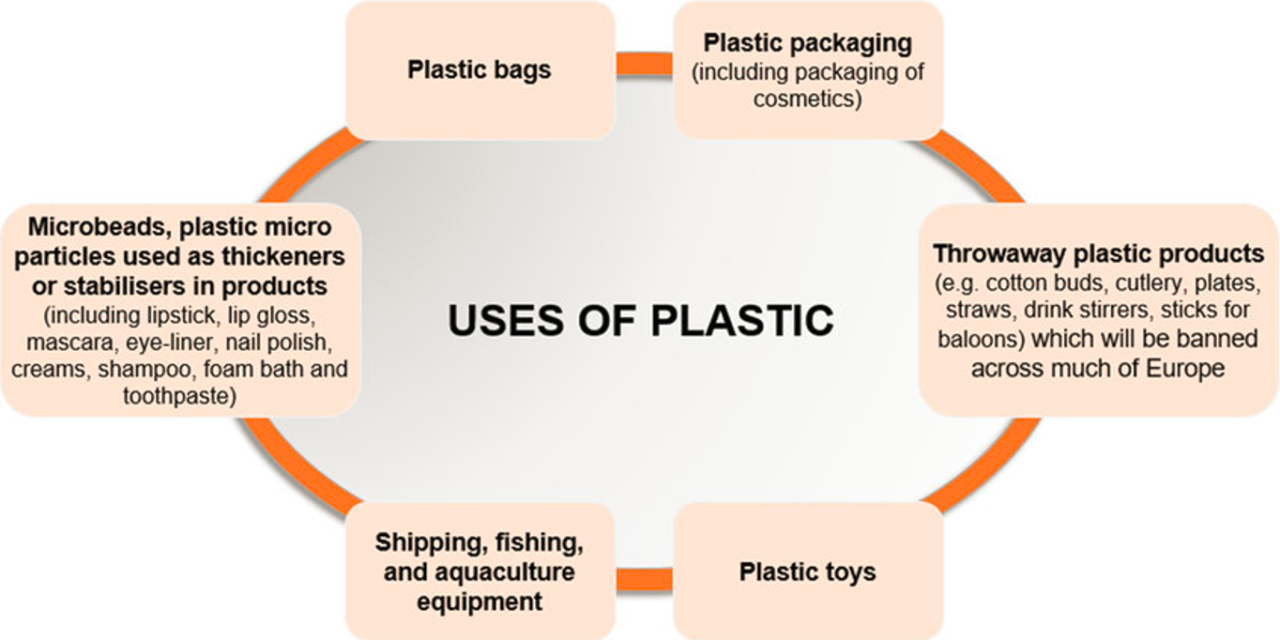
The plastics used in packaging are chosen for their ability to protect, preserve, and enhance the functionality of products. Each type of plastic has unique physical properties that make it suitable for specific applications in the packaging industry. The choice of plastic depends on factors such as strength, flexibility, barrier properties, cost, and environmental impact. Here are some of the most commonly used plastics in packaging, along with an explanation of how their properties influence their applications:
1. Polyethylene Terephthalate (PET or PETE)
Properties:
- Transparency: PET is highly transparent, allowing consumers to view the contents of the package easily.
- Strength and Durability: PET is strong, resistant to impact, and has good resistance to wear and tear.
- Barrier Properties: It provides a good barrier to moisture, gases, and light, which helps extend the shelf life of food and beverages.
- Lightweight: PET is a lightweight plastic, which is important for reducing transportation costs and improving handling.
Applications:
- Beverage Bottles: PET is widely used for carbonated drinks, water bottles, and juices due to its excellent barrier properties and strength.
- Food Containers: PET is also used for packaging ready-to-eat meals, salads, and microwavable food containers.
- Cosmetics and Personal Care: PET is commonly used in packaging shampoos, lotions, and cosmetic containers because of its clarity and aesthetic appeal.
2. High-Density Polyethylene (HDPE)
Properties:
- Strength and Stiffness: HDPE is known for its strength and rigidity, making it suitable for applications requiring structural integrity.
- Resistance to Chemicals: HDPE is highly resistant to a variety of chemicals, including alkalis, acids, and alcohols, which makes it ideal for chemical containers.
- Barrier Properties: It offers a moderate barrier to moisture, although not as effective as PET in some applications.
- Lightweight: HDPE is relatively lightweight, which helps reduce shipping costs.
Applications:
- Milk and Juice Bottles: HDPE is commonly used for bottles for dairy products, detergents, and juices.
- Grocery Bags: HDPE is used to make plastic grocery bags due to its flexibility and lightweight nature.
- Chemical Containers: HDPE is the plastic of choice for chemical drums, cleaning agents, and household products because of its chemical resistance.
3. Polyvinyl Chloride (PVC)
Properties:
- Versatility: PVC can be made rigid or flexible, depending on the additives used. The rigid form is strong and shatter-resistant, while the flexible form is soft and pliable.
- Transparency: Clear PVC offers good visibility of the product inside.
- Barrier Properties: It provides moderate resistance to moisture and gases, although not as effective as PET or HDPE for food applications.
Applications:
- Blister Packs: Flexible PVC is commonly used for blister packaging in pharmaceuticals, cosmetics, and consumer goods because it offers clear product visibility and good sealing properties.
- Food Packaging: Rigid PVC is used for food containers, such as meat trays and fresh produce packaging, due to its ability to create a rigid and protective environment for the product.
- Shrink Wrap: Flexible PVC is often used in shrink-wrapping products like bottles and consumer electronics.
4. Low-Density Polyethylene (LDPE)
Properties:
- Flexibility: LDPE is flexible and stretchable, making it ideal for flexible packaging.
- Low Tensile Strength: While LDPE is flexible, it has lower tensile strength compared to other plastics like HDPE.
- Resistance to Moisture: It provides a moderate barrier to moisture, making it suitable for use in food packaging.
- Low Melting Point: LDPE has a relatively low melting point, which allows for easy heat sealing in packaging applications.
Applications:
- Plastic Bags: LDPE is widely used in plastic grocery bags, retail bags, and food packaging films.
- Shrink Films: LDPE is used in shrink films for packaging products, providing a protective layer that conforms to the shape of the product.
- Flexible Packaging: LDPE is also used for wraps, liners, and bags for non-food products that require flexibility and moisture resistance.
5. Polypropylene (PP)
Properties:
- High Heat Resistance: PP has a higher melting point than many other plastics, making it ideal for hot-fill applications.
- Strength and Stiffness: PP offers good strength and rigidity, making it suitable for packaging products that require structural integrity.
- Chemical Resistance: It is resistant to a variety of chemicals, including oils and greases.
- Clarity: While typically less transparent than PET, clear PP is available and can be used in packaging where visibility is important.
Applications:
- Food Containers: PP is often used in microwavable food containers, yogurt cups, and takeout containers because of its heat resistance and chemical stability.
- Bottle Caps and Closures: PP is commonly used for caps and closures in beverage bottles and food packaging due to its ability to create an airtight seal.
- Straws and Cutlery: Due to its rigidity and moldability, PP is used in the production of disposable cutlery and drinking straws.
6. Polystyrene (PS)
Properties:
- Cost-Effective: PS is one of the most affordable plastics, making it ideal for low-cost packaging.
- Brittleness: Polystyrene is brittle and can break easily, which limits its use in certain applications.
- Transparency: It is highly transparent, making it suitable for applications where product visibility is important.
- Poor Barrier Properties: PS has limited moisture and gas barrier properties, which restrict its use for products requiring extended shelf life.
Applications:
- Food Trays and Cups: Rigid PS is used for disposable food containers, such as fast-food trays, cups, and clamshell packaging for products like hamburgers and salads.
- Packaging for Small Consumer Goods: PS is also used in the packaging of small electronics, cosmetics, and toys, where clarity and product visibility are desired.
- Disposable Tableware: Foamed PS is used for disposable plates, bowls, and cutlery due to its lightweight and cost-effectiveness.
7. Bioplastics (e.g., PLA, PHA)
Properties:
- Renewable and Compostable: Bioplastics like PLA (Polylactic Acid) and PHA (Polyhydroxyalkanoates) are derived from renewable resources like corn starch or sugarcane and are biodegradable under the right conditions.
- Limited Barrier Properties: While bioplastics can offer decent mechanical strength, they typically have lower barrier properties compared to traditional plastics like PET or PE.
- Environmental Impact: Bioplastics are sustainable alternatives to petroleum-based plastics, offering a solution for reducing plastic waste in the environment.
Applications:
- Food Packaging: PLA is used for biodegradable food containers, cups, and packaging films, offering a sustainable alternative to traditional plastics.
- Plastic Bags: Biodegradable bioplastics like PLA and PHA are being explored as alternatives for single-use plastic bags.
- Medical Packaging: Some bioplastics are used for medical packaging that requires biocompatibility and disposability.
Conclusion
The choice of plastic in packaging depends on the properties needed for a specific application, such as strength, flexibility, chemical resistance, and barrier properties. The most commonly used plastics in packaging, including PET, HDPE, PVC, LDPE, PP, PS, and bioplastics, are selected based on their performance characteristics to protect products, enhance shelf life, and provide ease of use. Each plastic offers distinct advantages for food, beverage, cosmetics, pharmaceuticals, and consumer goods, with ongoing innovations aiming to improve sustainability, reduce environmental impact, and increase efficiency in the packaging industry.
Hashtags
#PlasticPackaging #Polyethylene #Polypropylene #PETPlastic #PVCPackaging #Polystyrene #MaterialProperties #LightweightAndDurable #FlexiblePackaging #BarrierProtection #FoodSafePlastics #PackagingSolutions #PlasticInnovation #AdvancedMaterials #SustainablePackaging #PackagingTechnology #RecyclablePlastics #EcoFriendlyPackaging #CircularEconomy #PlasticRecycling #SustainableMaterials #FoodPackaging #MedicalPackaging #IndustrialPackaging #ConsumerGoodsPackaging #CustomPackagingSolutions #PackagingIndustry #MaterialScience #InnovativePackaging #PlasticEngineering #BuiltForPurpose