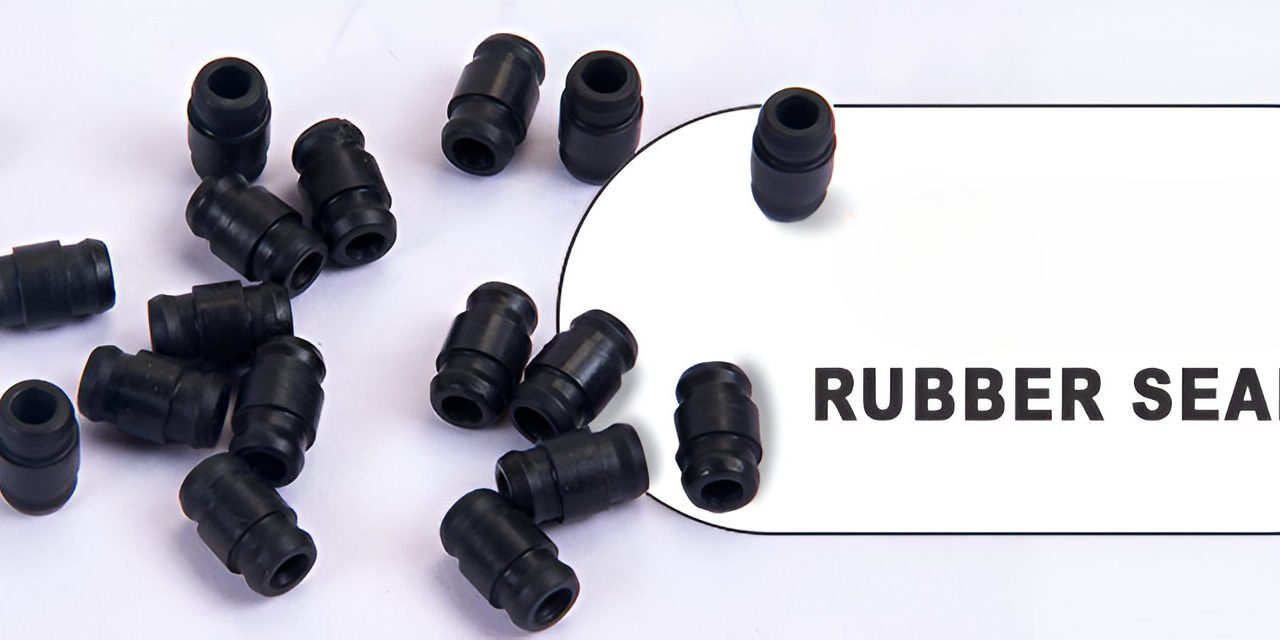
Integrating tin containers with rubber seals and plastic closures in packaging systems offers numerous advantages, such as enhanced sealing, reusability, and functionality. However, this combination also presents several challenges related to design compatibility, manufacturing complexity, costs, recyclability, and regulatory compliance. Below is an exploration of these challenges and potential solutions:
1. Material Compatibility
Challenges:
- Chemical Interaction:
- Rubber and plastic components may not be chemically compatible with tin, especially when used with certain contents like acidic foods, solvents, or oils.
- Example: Volatile chemicals in industrial applications could degrade rubber seals or cause leaching from plastic closures.
- Thermal Expansion:
- Different materials (tin, rubber, plastic) expand and contract at varying rates when exposed to temperature changes, which can affect sealing integrity.
- Adhesion and Bonding:
- Ensuring strong adhesion or secure mechanical bonds between tin, rubber, and plastic can be difficult, especially in high-pressure or vacuum-sealed systems.
Solutions:
- Use coatings or liners on tin to prevent chemical interactions.
- Design with flexible interfaces or compensatory features to accommodate thermal expansion.
- Employ advanced bonding agents or interlocking mechanisms for secure attachment.
2. Manufacturing Complexity
Challenges:
- Process Integration:
- Combining metal forming, rubber molding, and plastic injection processes into a seamless production workflow can be technologically and logistically challenging.
- Example: Adding rubber gaskets to lids during production requires precise alignment and high-speed assembly equipment.
- Quality Control:
- Variability in material properties can lead to inconsistencies in the final product, such as improper sealing or misaligned closures.
- Custom Tooling Requirements:
- Specialized molds and machinery are often needed to handle the integration of different materials, increasing setup costs.
Solutions:
- Develop modular production lines that integrate metal, rubber, and plastic assembly.
- Implement rigorous quality control systems with automated inspection.
- Invest in versatile tooling to accommodate multiple material types.
3. Cost Implications
Challenges:
- Material Costs:
- Tin is more expensive than plastic, and the addition of rubber seals and plastic closures further increases costs.
- Assembly Costs:
- Additional steps to attach rubber seals or plastic closures increase production time and labor costs.
- Tooling and Maintenance:
- Custom molds, assembly equipment, and maintenance for hybrid designs add to operational expenses.
Solutions:
- Optimize designs to minimize material use (e.g., lightweighting tin components or using thinner seals).
- Automate assembly processes to reduce labor costs.
- Explore cost-effective materials for closures and seals without compromising performance.
4. Sealing and Functional Challenges
Challenges:
- Airtightness:
- Achieving a perfect seal between the tin container, rubber gasket, and plastic closure is critical but challenging in mass production.
- Durability of Seals:
- Rubber seals can degrade over time due to exposure to air, moisture, or high temperatures, compromising the container’s performance.
- Leak Prevention:
- Ensuring that plastic closures fit tightly with the tin container while accommodating the rubber seal requires precise design and manufacturing tolerances.
Solutions:
- Use high-performance elastomers (e.g., silicone or EPDM) for rubber seals to improve durability.
- Design closures with threaded or snap-fit mechanisms to enhance sealing.
- Conduct pressure and leak testing during quality control.
5. Recyclability and Environmental Concerns
Challenges:
- Material Separation:
- Tin containers, rubber seals, and plastic closures require separation for recycling, complicating waste management.
- Example: A tin coffee can with a plastic lid and rubber gasket needs to be disassembled before recycling.
- Limited Recycling Streams:
- While tin is infinitely recyclable, rubber and certain plastics are more challenging to recycle, potentially reducing the overall sustainability of the packaging.
- Consumer Confusion:
- Consumers may struggle to understand how to dispose of or recycle hybrid packaging, leading to improper disposal.
Solutions:
- Use easily separable components (e.g., snap-fit or threaded closures) to facilitate disassembly.
- Label components clearly with recycling instructions.
- Choose recyclable or biodegradable materials for rubber and plastic components.
6. Regulatory Compliance
Challenges:
- Food Safety Standards:
- Ensuring all materials comply with food safety regulations (e.g., FDA, EU standards) can be challenging, particularly for coatings, seals, and closures.
- Example: BPA-free linings for tin, food-grade rubber seals, and compliant plastic closures must all work together without contamination risks.
- Chemical Migration:
- Rubber and plastic components must not leach harmful substances into the contents, especially for sensitive applications like pharmaceuticals or baby food.
- Material Traceability:
- Regulations increasingly require traceability for all materials used in packaging, adding complexity to hybrid systems.
Solutions:
- Test all components for compliance with relevant migration limits and safety standards.
- Use certified food-grade materials for all parts.
- Implement supply chain traceability systems to ensure regulatory compliance.
7. Aesthetic and Consumer Appeal
Challenges:
- Design Integration:
- Combining tin, rubber, and plastic in a visually appealing and cohesive manner can be challenging, particularly for premium packaging.
- Ergonomics:
- Adding rubber or plastic components may affect the feel or usability of the packaging.
- Brand Perception:
- Consumers may view hybrid packaging as less sustainable if the materials are not clearly recyclable or biodegradable.
Solutions:
- Use color-matching and finishing techniques to ensure visual harmony between materials.
- Design closures and seals for intuitive usability.
- Highlight the sustainability benefits of the materials used (e.g., recyclable tin, biodegradable seals).
8. Performance in Extreme Environments
Challenges:
- Temperature Resistance:
- Rubber seals and plastic closures may degrade or lose functionality in extreme heat or cold, unlike the tin container itself.
- Moisture and UV Exposure:
- Rubber and plastic components may deteriorate faster than tin when exposed to prolonged moisture or sunlight.
- Pressure Changes:
- Hybrid systems must maintain sealing integrity under pressure changes during transport or storage.
Solutions:
- Use UV-resistant plastics and high-performance elastomers for seals.
- Test hybrid designs under simulated extreme conditions to ensure performance.
- Incorporate flexible sealing mechanisms to accommodate pressure fluctuations.
Conclusion
Integrating tin containers with rubber seals and plastic closures offers enhanced functionality and versatility but presents several challenges. These include material compatibility, manufacturing complexity, cost implications, recyclability issues, and compliance with regulations. To overcome these challenges:
- Employ high-quality materials and innovative designs to ensure compatibility and performance.
- Invest in advanced manufacturing processes to streamline production and maintain quality.
- Enhance recyclability by designing for easy disassembly and using environmentally friendly materials.
- Conduct rigorous testing and quality control to meet safety and regulatory standards.
Hashtags
#HybridPackagingChallenges #MaterialIntegration #SealAndClosureDesign #PackagingSystemComplexity #TinWithPlasticAndRubber #LeakProofSolutions #SecureSealing #DurableAndReliable #PrecisionPackaging #MaterialCompatibility #SealAndClosureTech #TinPlasticRubberCombo #EcoFriendlyIntegration #RecyclableSolutions #PackagingInnovation #FutureOfPackaging