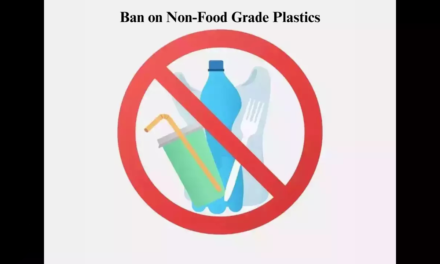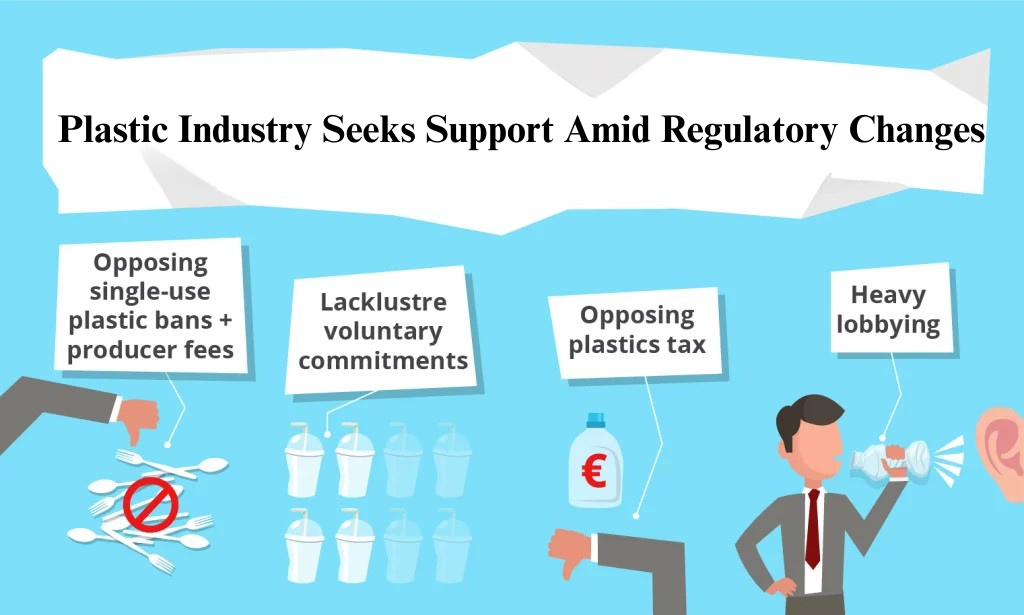
The plastic manufacturing industry in Tamil Nadu is calling for greater government support to navigate the challenges posed by recent regulatory changes aimed at curbing plastic pollution. Stricter bans on single-use plastics and mandates for biodegradable alternatives have created significant operational and financial hurdles, particularly for small and medium enterprises (SMEs) that form the backbone of the sector.
Industry leaders, under the Tamil Nadu Plastic Manufacturers Association (TAPMA), have highlighted the high costs of transitioning to eco-friendly materials, lack of affordable alternatives, and disruptions in the supply chain as major concerns. They are advocating for:
- Financial subsidies to offset the costs of adopting sustainable production methods.
- R&D grants to develop innovative, biodegradable, and recyclable materials.
- A phased implementation of regulations to allow businesses adequate time for adjustment.
“While we support the state’s commitment to environmental sustainability, the abrupt regulatory changes have left many manufacturers struggling,” said a TAPMA representative. “We need collaborative policies that balance ecological goals with economic realities.”
The state government has reiterated its focus on reducing plastic waste and promoting sustainable practices, emphasizing the importance of Extended Producer Responsibility (EPR) frameworks and recycling initiatives. In response to industry concerns, the government is exploring options such as tax incentives and capacity-building programs for SMEs to ease the transition.
Environmentalists have urged the plastic industry to embrace the changes as an opportunity to innovate and lead in the global shift toward sustainable packaging solutions. Tamil Nadu’s regulatory efforts reflect a growing need to align industrial development with environmental stewardship, a challenge that will require partnership between policymakers, businesses, and consumers alike.