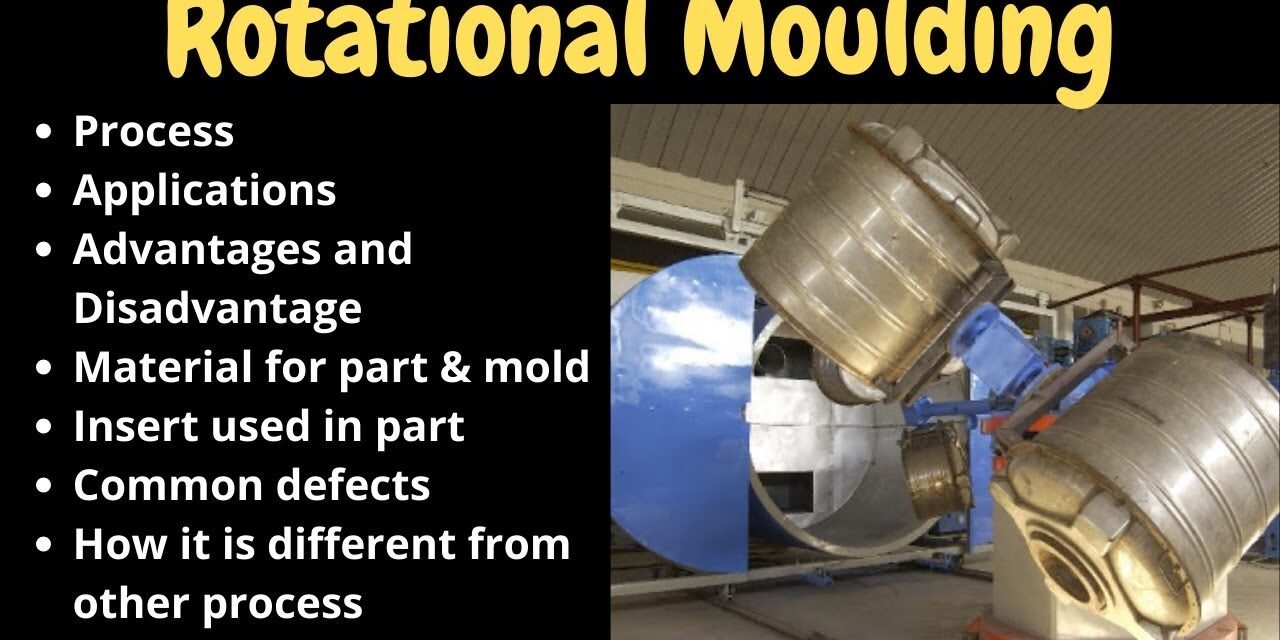
Rotational molding relies on thermoplastics that can be melted, shaped, and cooled without degrading. The most commonly used plastics for this process are chosen based on durability, flexibility, chemical resistance, and impact strength. Below are the main types of plastics used in rotational molding and their key properties.
1. Polyethylene (PE) – Most Widely Used
Polyethylene is the most common material for rotational molding due to its affordability, strength, and resistance to chemicals and UV exposure. There are different types of polyethylene used in rotomolding:
a. Low-Density Polyethylene (LDPE)
- Properties: Flexible, impact-resistant, and lightweight.
- Applications: Storage tanks, playground equipment, and agricultural containers.
b. Linear Low-Density Polyethylene (LLDPE)
- Properties: More flexible than LDPE, offers better impact resistance and stress crack resistance.
- Applications: Industrial containers, water tanks, and boat hulls.
c. High-Density Polyethylene (HDPE)
- Properties: Higher stiffness, strength, and chemical resistance than LDPE and LLDPE.
- Applications: Chemical storage tanks, fuel tanks, and outdoor furniture.
d. Cross-Linked Polyethylene (XLPE)
- Properties: Extreme toughness, heat resistance, and excellent durability.
- Applications: Fuel tanks, chemical storage, and heavy-duty containers.
2. Polypropylene (PP)
- Properties: Higher heat resistance than polyethylene, lightweight, good chemical resistance.
- Applications: Medical containers, industrial parts, and outdoor storage bins.
3. Polyvinyl Chloride (PVC)
- Properties: Good chemical resistance, flexibility, and flame retardance.
- Applications: Flexible tubing, medical equipment, and traffic cones.
4. Nylon (Polyamide – PA)
- Properties: High mechanical strength, wear resistance, and temperature resistance.
- Applications: Automotive parts, gears, and industrial components.
5. Polycarbonate (PC)
- Properties: High impact resistance, clarity, and heat resistance.
- Applications: Transparent containers, lighting enclosures, and protective covers.
6. Acrylonitrile Butadiene Styrene (ABS)
- Properties: Strong, rigid, and good impact resistance.
- Applications: Automotive parts, tool casings, and outdoor enclosures.