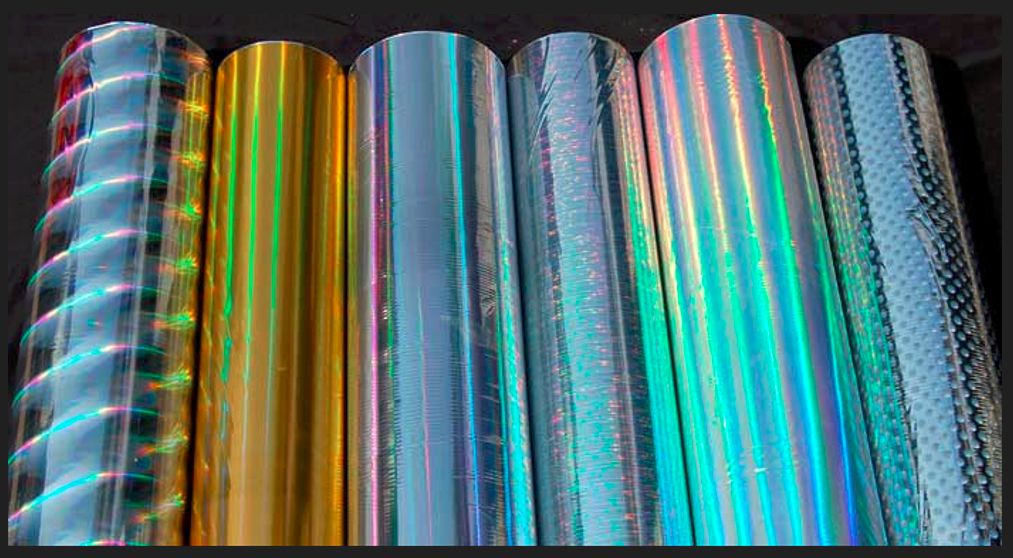
Holographic films are thin, flexible materials that use light diffraction to create dynamic, multi-dimensional visual effects. These films are often metallized or non-metallized and feature micro-embossed patterns or holograms that interact with light to produce shimmering, rainbow-like appearances. They are widely used for both decorative and functional purposes.
Key Characteristics of Holographic Films
- Visual Effects:
- Display vibrant, multi-color, 3D-like images or patterns.
- Material Composition:
- Typically made from polymers such as polyethylene terephthalate (PET), biaxially oriented polypropylene (BOPP), or polyvinyl chloride (PVC).
- Customizability:
- Can be tailored to include specific holograms, branding, or security features.
Integration of Holographic Films into Plastic and Rubber Products
Holographic films are incorporated into plastic and rubber products through various techniques, depending on the intended application. Here are some common integration methods:
1. Lamination
- Process:
- The holographic film is laminated onto the surface of a plastic or rubber substrate using adhesives or heat.
- Applications:
- Packaging: Used for high-end or promotional packaging in cosmetics, food, and beverages.
- Labels and Stickers: For branding or aesthetic appeal.
- Advantages:
- Enhances visual appeal without compromising the base material’s properties.
2. Coating
- Process:
- The holographic film is coated with a protective layer and applied directly to plastic or rubber surfaces.
- Applications:
- Automotive: Decorative trims, dashboards, and interiors.
- Consumer Goods: Toys, gadgets, and home appliances.
- Advantages:
- Durable and resistant to wear and tear.
3. In-Mold Labeling (IML)
- Process:
- Holographic films are inserted into molds and bonded with molten plastic during the molding process.
- Applications:
- Used in products like food containers, electronic device casings, and household items.
- Advantages:
- Permanent integration of the holographic effect, ensuring durability.
4. Hot Stamping
- Process:
- Heat and pressure are used to transfer the holographic film onto a product surface.
- Applications:
- Security Features: ID cards, credit cards, and anti-counterfeiting seals.
- Branding: Logos or decorative accents on plastic and rubber products.
- Advantages:
- Provides precise placement of holographic patterns.
5. Extrusion and Co-Extrusion
- Process:
- Holographic films are embedded into plastic sheets during the extrusion process.
- Applications:
- Flexible Packaging: Wrappers for food and retail products.
- Stationery: Covers for notebooks, folders, and binders.
- Advantages:
- Allows continuous application over large surface areas.
6. Surface Embossing
- Process:
- Holographic patterns are embossed directly onto rubber or plastic surfaces.
- Applications:
- Fashion: Footwear soles or decorative accessories.
- Industrial Products: Specialty rubber mats or gaskets.
- Advantages:
- Permanent and seamless holographic integration.
Applications in Plastic and Rubber Products
- Packaging Industry:
- Luxury packaging for perfumes, chocolates, and electronic gadgets.
- Security seals for tamper-evident packaging.
- Automotive Sector:
- Decorative trims, instrument panels, and badges.
- Anti-counterfeiting measures for parts and accessories.
- Electronics and Appliances:
- Device casings, remote controls, and decorative accents.
- Consumer Goods:
- Toys, fashion accessories, and personal care items.
- Security and Branding:
- Holographic labels, ID cards, and credit card overlays for authentication.
- Industrial Use:
- Customizable rubber products with holographic designs for branding or differentiation.
Advantages of Holographic Film Integration
- Aesthetic Appeal:
- Enhances the product’s visual appeal, making it more attractive to consumers.
- Brand Differentiation:
- Allows for unique and customizable designs that stand out.
- Functional Benefits:
- Adds anti-counterfeiting and security features.
- Durability:
- Resistant to wear and environmental factors when applied correctly.
Challenges in Integration
- Cost:
- Holographic films can increase production costs, especially for high-precision applications.
- Complexity:
- Requires specialized equipment and expertise for seamless application.
- Recyclability:
- Metallized holographic films can complicate recycling processes for plastics and rubbers.
Future Trends
- Sustainable Materials:
- Development of biodegradable or recyclable holographic films.
- Smart Features:
- Integration with QR codes or NFC chips for interactive and digital functionalities.
- Mass Customization:
- Advanced printing and embossing technologies to reduce costs for small-scale production.
Holographic films offer a combination of aesthetic and functional advantages, making them increasingly popular across industries, with ongoing innovations addressing cost and environmental concerns.