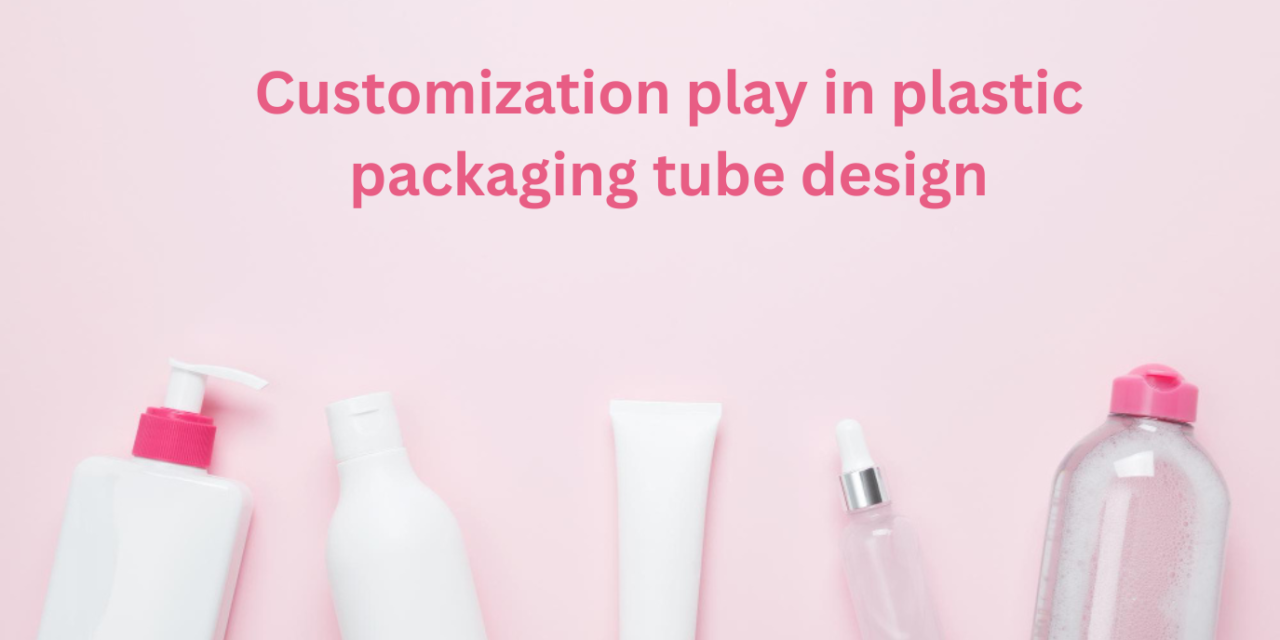
Customization plays a pivotal role in plastic packaging tube design, helping brands meet functional needs, improve consumer experience, and differentiate themselves in competitive markets. With advancements in materials, manufacturing, and printing technologies, customization enables brands to create unique, functional, and visually appealing packaging solutions tailored to specific products, industries, and target audiences.
1. Enhancing Brand Identity and Market Differentiation
A. Unique Aesthetic Appeal
- Color Customization:
- Tubes can be produced in a variety of colors, finishes (e.g., matte, glossy, metallic), or gradients to align with brand aesthetics.
- Printing and Decoration:
- Techniques like offset printing, digital printing, screen printing, and hot stamping allow high-quality graphics, logos, and text on tubes.
- Embossing and Debossing:
- Adds texture and a premium feel by raising or recessing logos or designs.
- Example:
- Luxury skincare products often use metallic or gradient finishes to convey exclusivity.
B. Targeted Branding
- Personalized Messaging:
- Custom designs can include QR codes or NFC tags for interactive content, promotions, or instructions.
- Seasonal and Limited Editions:
- Custom designs enable brands to launch exclusive editions with special themes or graphics.
- Example:
- A cosmetic brand might release a holiday-themed packaging tube to boost seasonal sales.
2. Meeting Functional Requirements
A. Product-Specific Designs
- Material Customization:
- Tubes can be made from different plastics like PE, PP, or multi-layer laminates to match product requirements (e.g., barrier properties, squeezability).
- Shape and Size:
- Tubes can be produced in custom shapes (e.g., oval, round) and sizes to suit specific volumes and dispensing needs.
- Example:
- A pharmaceutical gel might require a narrow nozzle for precise application, while a sunscreen might need a larger opening for easy dispensing.
B. Advanced Dispensing Mechanisms
- Custom Nozzles and Applicators:
- Precision tips, brushes, or roller-ball applicators integrated into the tube design for enhanced usability.
- Dual-Chamber Tubes:
- Designed for products requiring two separate components that mix upon dispensing (e.g., hair dyes or serums).
- Example:
- An anti-aging cream with an integrated cooling metal applicator for ease of use and added functionality.
3. Improving Consumer Experience
A. Ergonomics
- Soft-Touch Finishes:
- Provides a premium tactile experience and improves grip, especially for wet-hand applications.
- Custom Shapes:
- Tubes can be designed to fit comfortably in hand, improving usability.
- Example:
- Tubes for hand creams often have curved designs for a better grip.
B. Transparent and Window Features
- Transparency or Windows:
- Allows consumers to see the product level inside the tube, enhancing convenience and reducing waste.
- Example:
- Toothpaste tubes with clear strips to indicate how much product remains.
C. Resealable and Tamper-Evident Closures
- Custom Closures:
- Flip-tops, screw caps, or snap closures designed for reusability and ease of opening and closing.
- Tamper-Evident Features:
- Seals or bands to ensure product safety and consumer confidence.
- Example:
- Pharmaceutical ointment tubes with tamper-evident seals.
4. Supporting Sustainability Goals
A. Sustainable Materials
- Recyclable Tubes:
- Customizing tubes with mono-material designs (e.g., all-PE) to meet recycling requirements.
- Bio-Based Materials:
- Customizing the material composition to include bio-plastics or post-consumer recycled (PCR) plastics.
- Example:
- A skincare brand using sugarcane-based PE tubes to align with eco-conscious branding.
B. Lightweighting
- Optimized Designs:
- Customizing tube thickness to reduce material use without compromising durability.
- Example:
- Lightweight packaging for travel-size products.
C. Refillable and Reusable Designs
- Custom Refillable Systems:
- Tubes designed for repeated use with refill pouches or cartridges.
- Example:
- A refillable deodorant tube made from durable plastic.
5. Industry-Specific Customization
A. Cosmetics and Personal Care
- Luxury Designs:
- High-end finishes, embossing, and gold stamping for premium positioning.
- Compact and Travel-Friendly:
- Small tubes with convenient closures for on-the-go use.
- Example:
- Lip gloss tubes with unique shapes and vibrant designs.
B. Pharmaceuticals
- Precision Application:
- Narrow nozzles or syringe-style tips for precise dosing.
- Sterile and Safe:
- Tamper-evident closures and chemical-resistant materials.
- Example:
- Prescription creams in tubes with protective seals.
C. Food and Beverages
- Portion Control:
- Custom tube sizes and openings for single-serve applications.
- Barrier Properties:
- Multi-layer tubes for oxygen and moisture protection.
- Example:
- Condiment tubes with a flip-top cap for easy dispensing.
6. Cost Considerations
- Standard vs. Custom:
- Custom designs may incur higher initial tooling and production costs.
- Batch Size:
- Smaller runs of custom designs are typically more expensive per unit.
- Value Addition:
- Customization can justify premium pricing and improve consumer perception, offsetting higher production costs.
7. Trends in Customization
A. Digital Printing
- Enables vibrant, photo-realistic designs and personalization.
- Allows for small batch customization, such as limited editions or event-specific packaging.
B. Smart Packaging
- Integration of QR codes, NFC tags, or augmented reality (AR) features for interactive consumer engagement.
C. Personalized Packaging
- Growing demand for personalized tubes with names, messages, or custom designs.
D. Eco-Conscious Customization
- Custom designs emphasizing sustainability, such as minimalist branding and reduced ink use.
Customization in plastic packaging tubes serves as a powerful tool for brands to:
- Differentiate their products in competitive markets.
- Enhance functionality and consumer experience.
- Align with sustainability goals and regulatory requirements.
Whether through aesthetic features, functional enhancements, or sustainability-driven innovations, customization allows brands to cater to evolving consumer preferences and industry demands, adding value to both the product and the brand identity.