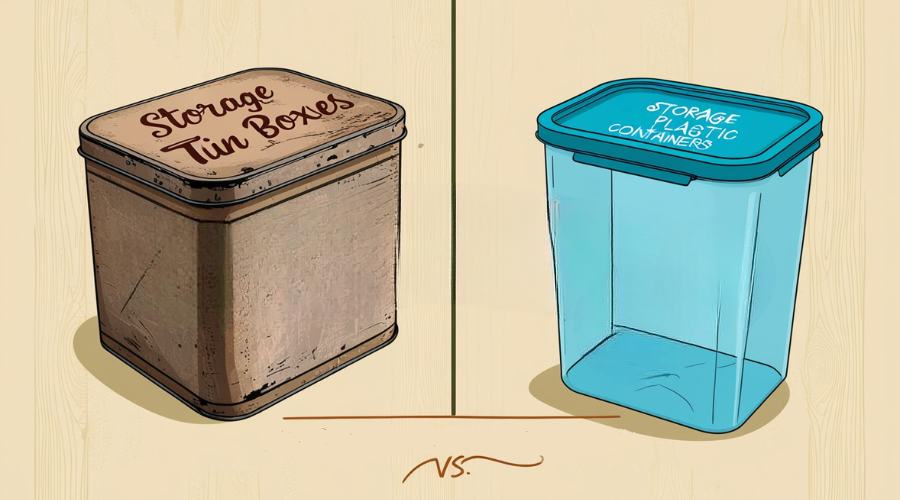
Innovations in tin container designs are rapidly evolving to match or even surpass the versatility of plastic containers, particularly in terms of functionality, customization, and consumer convenience. These advancements focus on improving the usability, sustainability, and adaptability of tin packaging across various industries, including food, beverages, cosmetics, and industrial applications.
Here are the key innovations being made in tin container designs:
1. Lightweighting
- Objective: Reduce the weight of tin containers to match the portability and cost-effectiveness of plastic containers.
- Innovations:
- Thinner Metal Sheets:
- Use of advanced manufacturing techniques to produce ultra-thin but strong steel or aluminum sheets.
- Enables reduced material use without compromising durability.
- High-Strength Alloys:
- Development of lightweight alloys with enhanced tensile strength.
- Applications:
- Beverage cans and food tins with reduced material use to lower transportation costs and improve efficiency.
- Thinner Metal Sheets:
2. Resealable and Reusable Designs
- Objective: Improve convenience and reusability, which are key strengths of plastic containers.
- Innovations:
- Plastic-Lined Resealable Lids:
- Combining tin with plastic lids for airtight sealing and ease of repeated use.
- Example: Coffee or tea tins with snap-on lids to preserve freshness.
- Twist-Off or Flip-Top Mechanisms:
- Incorporating threaded or hinged closures into tin designs to make them resealable.
- Example: Beverage cans with resealable pull tabs or twist-off aluminum caps.
- Hybrid Tin-Glass Designs:
- Combining a tin body with a transparent plastic or glass lid for visibility and resealability.
- Example: Spice tins with clear lids for easy product identification.
- Plastic-Lined Resealable Lids:
3. Transparent and Windowed Features
- Objective: Match the visibility of contents provided by clear plastic containers.
- Innovations:
- Integrated Windows:
- Adding transparent plastic or glass windows to tin containers to showcase the product inside.
- Example: Cookie or snack tins with clear windows for product visibility.
- Coated Transparent Metal:
- Development of metal sheets with clear, food-safe coatings that maintain transparency while offering the protective qualities of tin.
- Integrated Windows:
4. Smart and Interactive Features
- Objective: Incorporate digital interactivity and enhanced consumer engagement.
- Innovations:
- QR Codes and NFC Tags:
- Printed or embedded smart tags on tin containers that allow consumers to access product information, promotions, or recycling instructions via their smartphones.
- Example: Beverage cans with scannable QR codes linking to AR experiences.
- Temperature Indicators:
- Incorporation of heat-sensitive coatings that change color to indicate optimal serving temperature.
- Example: Beer cans that display “cold” when chilled to the perfect temperature.
- QR Codes and NFC Tags:
5. Improved Sealing and Leak Prevention
- Objective: Achieve leak-proof performance comparable to plastic containers, especially for liquids.
- Innovations:
- Rubberized Gaskets:
- Integration of rubber or silicone seals into tin lids for airtight and leak-proof closures.
- Example: Paint cans with rubber-sealed lids to prevent spills.
- Crimped Edges and Advanced Welding:
- Enhanced sealing technologies for tamper-proof and leak-resistant containers.
- Example: Food tins with double-seam welding to prevent contamination.
- Rubberized Gaskets:
6. Custom Shapes and Sizes
- Objective: Expand design versatility to match the wide range of shapes offered by plastic containers.
- Innovations:
- Customized Geometries:
- Tin containers can now be molded into unique shapes (e.g., hexagonal, oval) for branding and functional purposes.
- Example: Specialty cookie tins in seasonal shapes like stars or hearts.
- Embossed and Textured Designs:
- Enhanced aesthetics with embossed patterns or textured surfaces for better grip and visual appeal.
- Example: Embossed logos or textured beverage cans for premium branding.
- Customized Geometries:
7. Enhanced Functionality for Industrial Application
- Objective: Improve durability and usability for industrial packaging.
- Innovations:
- Pouring Spouts:
- Adding integrated spouts or funnels to tin containers for easy dispensing of liquids like oils or adhesives.
- Example: Industrial tin cans with precision pour spouts for chemicals.
- Stackable Designs:
- Incorporating ridges or grooves to allow secure stacking for transportation and storage.
- Example: Paint tins with stackable bases for warehouse efficiency.
- Pouring Spouts:
8. Biodegradable and Eco-Friendly Coatings
- Objective: Address consumer and regulatory demands for sustainability.
- Innovations:
- BPA-Free and Natural Coatings:
- Development of food-safe, biodegradable linings that eliminate harmful substances while maintaining corrosion resistance.
- Example: Canned goods with epoxy-free linings.
- Self-Decomposing Coatings:
- Experimentation with coatings that degrade naturally without compromising recyclability.
- Example: Metal tins for specialty food items with compostable interior coatings.
- BPA-Free and Natural Coatings:
9. Modular and Multi-Purpose Packaging
- Objective: Add flexibility and multi-functionality to tin containers.
- Innovations:
- Modular Systems:
- Stackable and interlocking tin designs that allow multiple containers to be used together.
- Example: Tins for spices or teas that stack into a single compact unit.
- Dual-Use Designs:
- Containers designed for packaging and subsequent reuse as storage or decorative items.
- Example: Gift tins with decorative elements that double as home decor.
- Modular Systems:
10. Hybrid Tin-Plastic Solutions
- Objective: Combine the strengths of tin and plastic to achieve optimal performance and versatility.
- Innovations:
- Plastic Lids and Inserts:
- Tin containers with plastic closures or dividers for added functionality and cost-efficiency.
- Example: Tea tins with plastic inner compartments for separating different flavors.
- Metal-Plastic Fusion:
- Using metal exteriors for durability and premium appeal while incorporating lightweight plastic interiors.
- Example: Hybrid tins for luxury chocolates with plastic trays inside.
- Plastic Lids and Inserts:
Tin containers are evolving rapidly to offer design versatility, functional enhancements, and sustainability benefits that rival or exceed those of plastic containers. Innovations such as resealable lids, transparent windows, custom shapes, and smart features allow tin packaging to meet diverse consumer and industrial needs while maintaining its premium appeal and environmental advantages.