The demand for more sustainable, functional, and consumer-friendly packaging has driven innovation in the design of plastic bags for retail, e-commerce, and specialized applications. These innovations aim to improve the performance, durability, aesthetic appeal, and environmental impact of plastic bags while responding to changing consumer needs and industry requirements. Below are some of the most innovative plastic bag designs currently emerging in these sectors:
1. Retail Plastic Bag Innovations
A. Reusable Plastic Bags (with Enhanced Durability)
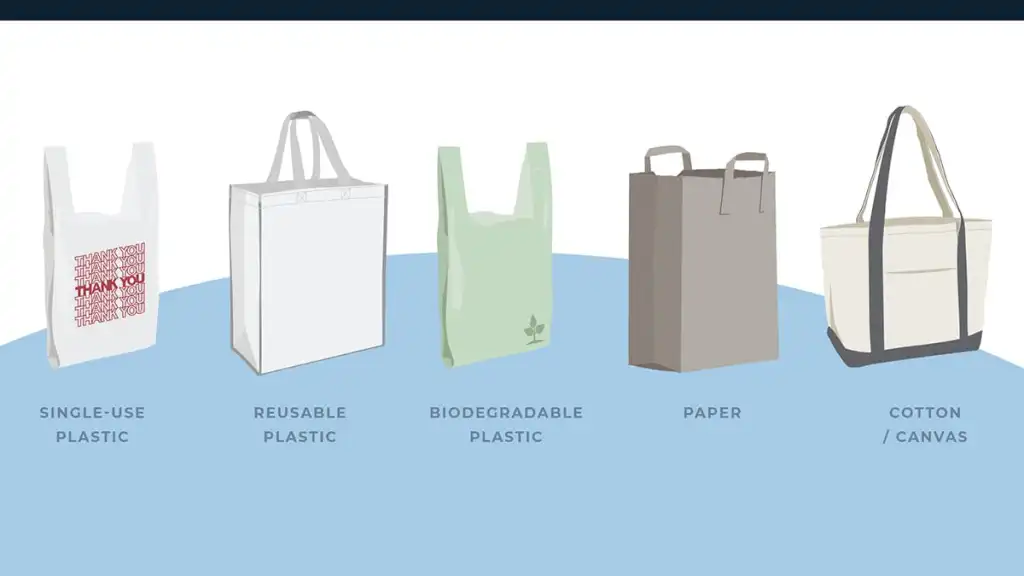
- Design Focus: As a response to single-use plastic bag bans, retailers have introduced stronger, reusable plastic bags that can withstand repeated use. These bags are typically made from woven polypropylene or recycled polyethylene for greater durability and load-bearing capacity.
- Key Features:
- Reinforced handles for carrying heavy loads.
- Foldable or compact designs for easy storage.
- Multi-use functionality (e.g., grocery bags that can also be used for carrying books or gym gear).
- Environmental Impact: These bags are made to last for hundreds of uses, reducing the need for new plastic production and contributing to more sustainable practices in retail.
B. Self-Standing Plastic Bags
- Design Focus: Self-standing plastic bags, also known as box bags, have a flat bottom that allows them to stand upright, making them easy to fill and display products such as produce, snacks, or cleaning supplies.
- Key Features:
- Sturdy base that keeps the bag upright on shelves or countertops.
- Easy to pack and handle, especially in retail settings with high-volume transactions.
- Can be resealed for better product freshness.
- Performance: These bags offer a balance of convenience and aesthetic appeal, improving the retail experience by keeping products visible and organized.
C. T-Shirt and Die-Cut Handle Bags
- Design Focus: T-shirt bags and die-cut handle bags are widely used in retail for shopping convenience. Innovations include the use of biodegradable or compostable materials to make them more eco-friendly.
- Key Features:
- Die-cut handles that provide easy carrying.
- Customizable with logos and branding for marketing purposes.
- Performance: While still affordable, these bags can be upgraded to be biodegradable or made from recycled plastic, providing a sustainable solution for consumers while still being practical for retailers.
2. E-Commerce Plastic Bag Innovations
A. Padded Mailers and Envelopes
- Design Focus: Padded mailers or poly mailers are often used in e-commerce for shipping products that require some protection from impacts or moisture during transit.
- Key Features:
- Bubble-lined interiors or foam padding that protects fragile items like electronics, clothing, or cosmetics.
- Made from recycled plastic or biodegradable plastic for sustainability.
- Often water-resistant to protect products from rain or moisture during shipping.
- Performance: These mailers provide lightweight yet durable packaging that enhances the safety of products during delivery while ensuring that the packaging does not add significant weight or cost to shipping.
B. Recycled and Recyclable Poly Mailers
- Design Focus: Recycled poly mailers are becoming a preferred choice for e-commerce companies aiming to reduce their environmental impact. These bags are made from recycled polyethylene (rPE) or post-consumer recycled (PCR) plastics.
- Key Features:
- Made from 100% recycled materials to support circular economy efforts.
- Designed to be recyclable in curbside systems (depending on local infrastructure).
- Often feature strong adhesive seals to ensure the security of the contents.
- Performance: These bags offer the same protection as traditional plastic mailers but with a lower carbon footprint by using recycled materials.
C. Returnable Plastic Bags for E-commerce
- Design Focus: Some e-commerce companies are innovating with returnable plastic bags that are reused for product returns.
- Key Features:
- Resealable or self-adhesive closures for easy return processing.
- Made from durable, high-quality plastic that can withstand multiple uses.
- Easy to track through smart technology like QR codes.
- Performance: These bags not only contribute to reducing waste by enabling multiple uses, but they also enhance customer experience by providing a simple solution for returns.
3. Specialized Plastic Bag Innovations
A. Compostable Plastic Bags
- Design Focus: In specialized applications, such as food packaging or organics collection, compostable plastic bags are becoming a more popular option as they break down into organic matter in composting environments.
- Key Features:
- Made from bioplastics such as PLA (polylactic acid) or PHA.
- Break down quickly in industrial composting environments, helping to reduce waste.
- Can be used for specific applications like produce bags or trash liners in sustainable waste management programs.
- Environmental Impact: Compostable bags offer a more sustainable alternative to plastic bags, although their composting requires the right conditions to be effective. They are designed to reduce the persistence of plastic in landfills.
B. Insulated Plastic Bags
- Design Focus: Insulated plastic bags are designed to maintain the temperature of food or beverages during transport, making them ideal for grocery deliveries, take-out services, or pharmaceutical shipments.
- Key Features:
- Thermal insulation using layers of foam, bubble wrap, or other insulating materials.
- Can be designed as reusable or single-use, depending on the application.
- Often water-resistant to prevent leakage or moisture buildup.
- Performance: These bags ensure that temperature-sensitive items such as frozen foods, hot beverages, or medications maintain their quality during delivery or transportation.
C. Anti-static Bags for Electronics
- Design Focus: Anti-static plastic bags are used primarily for electronics and sensitive equipment to prevent static electricity from damaging components.
- Key Features:
- Made from anti-static polyethylene or conductive plastics that dissipate static electricity.
- Typically used for packaging electronics, computer components, and circuit boards.
- Performance: These bags offer security and protection from the harmful effects of static discharge, ensuring that sensitive products are safe during handling and transport.
D. Multi-layer Barrier Bags
- Design Focus: Multi-layer barrier bags are designed for applications where high levels of moisture, oxygen, or UV light protection are required, such as pharmaceuticals, fresh produce, or electronics packaging.
- Key Features:
- Made with multiple layers of different materials such as polyethylene, nylon, or foil to offer superior barrier protection.
- Often include vacuum sealing or resealable features for extended shelf life.
- Performance: These bags ensure the preservation of products by preventing external factors from compromising their quality, particularly in highly regulated industries like food and pharmaceuticals.
Innovative designs in plastic bags for retail, e-commerce, and specialized applications are driven by consumer demand for sustainability, functionality, and performance.