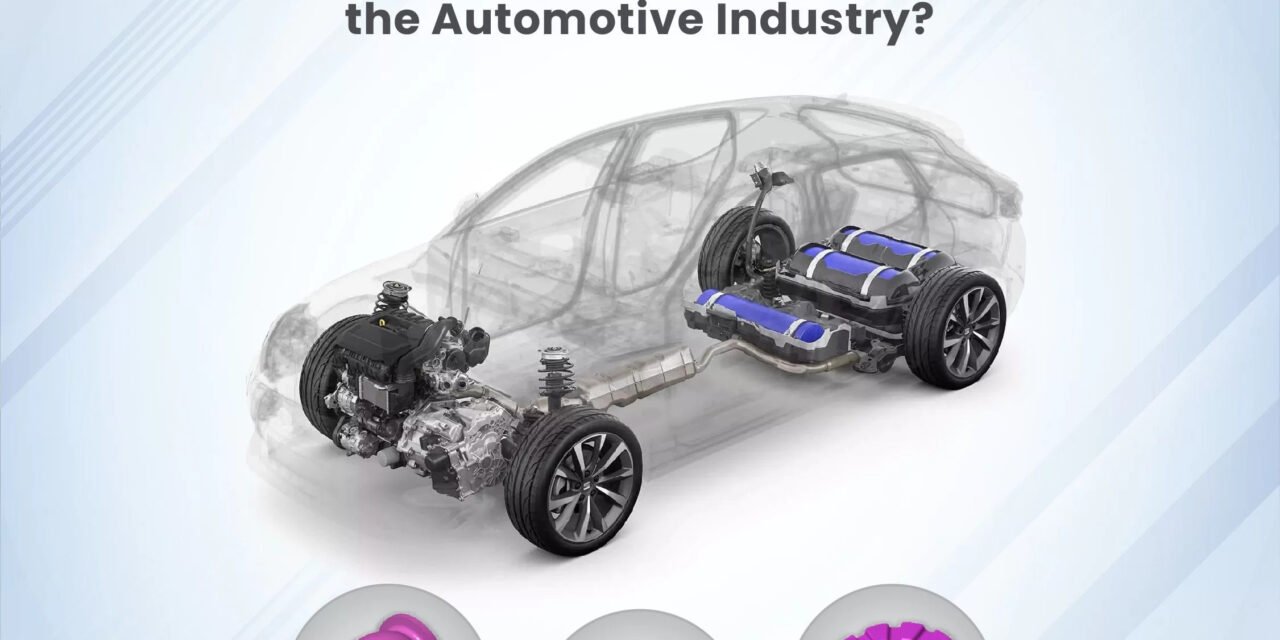
Rubber goods play a critical role in the automotive industry beyond tires, contributing to a wide range of systems that improve the performance, comfort, and safety of vehicles. Rubber components are used in everything from suspension systems to weatherproofing, and each serves an essential function in ensuring that vehicles operate smoothly, efficiently, and comfortably. Below are some key roles rubber goods play in the automotive industry, with a focus on their function in suspension systems, weatherproofing, and other components:
1. Suspension Systems
Rubber plays a key role in suspension systems by helping to absorb shock and vibration, ensuring a smooth and comfortable ride while also contributing to vehicle stability and handling.
Key Components:
- Bushings: Rubber bushings are used in suspension systems to isolate and reduce friction between metal components. They provide vibration damping and help absorb the impact of road shocks, improving the comfort of the ride and reducing wear on other suspension components.
- Mounts: Rubber is used in various mounts, such as engine mounts and strut mounts, which secure suspension and engine components to the chassis. Rubber mounts dampen vibrations and noise from the engine and suspension, preventing them from transferring to the vehicle’s cabin.
- Shock Absorbers: Rubber components are used in shock absorbers and struts to enhance their performance in absorbing impacts and reducing vibrations, improving vehicle handling and stability.
Benefits:
- Comfort: Rubber’s ability to absorb shock and vibrations ensures a smooth ride by reducing the impact of rough terrain and road irregularities.
- Durability: Rubber bushings and mounts are designed to endure significant stress and environmental exposure, ensuring long-term reliability and reducing the need for frequent replacements.
2. Weatherproofing
Rubber is commonly used in various weatherproofing components to seal and protect the vehicle from external elements like rain, snow, dust, and wind.
Key Components:
- Seals and Gaskets: Rubber seals and gaskets are used throughout the vehicle to create tight barriers that prevent the entry of water, dust, and air. These seals are essential in parts like doors, windows, sunroofs, and trunk lids.
- Weatherstripping: Rubber weatherstripping is applied along the edges of doors, windows, and hatches to block wind noise, moisture, and dirt from entering the vehicle. This improves both the comfort and aerodynamics of the vehicle.
- Windshield and Window Seals: Rubber gaskets are used to secure windshields, side windows, and sunroofs, ensuring that waterproofing and structural integrity are maintained, even under harsh weather conditions.
Benefits:
- Waterproofing and Insulation: Rubber seals prevent water from entering the cabin, preventing corrosion and dampness in the vehicle’s interior.
- Noise Reduction: Rubber weatherstripping helps reduce wind noise, creating a quieter and more comfortable cabin for passengers.
- Energy Efficiency: Proper seals improve the aerodynamics of the vehicle, potentially improving fuel efficiency by reducing drag.
3. Engine and Exhaust Systems
Rubber components in the engine and exhaust systems help manage vibration, reduce noise, and withstand high temperatures.
Key Components:
- Hoses: Rubber hoses are used to carry fluids (e.g., coolant, fuel, oil) throughout the engine and exhaust system. Nitrile rubber (NBR), EPDM, and silicone rubber are commonly used because of their ability to resist high temperatures, chemicals, and abrasion.
- Vibration Dampers: Rubber is used in vibration dampers to reduce engine vibrations, preventing them from transferring to the chassis and the cabin, thereby improving vehicle comfort.
- Exhaust Mounts: Rubber mounts in the exhaust system help isolate vibrations and noise from the engine and exhaust components, improving comfort and reducing noise pollution.
Benefits:
- Noise and Vibration Reduction: Rubber’s shock-absorbing properties help dampen engine vibrations, reducing the noise and ensuring a quieter ride.
- Temperature Resistance: Rubber materials like silicone and EPDM can withstand high temperatures from engine components and exhaust gases, ensuring reliable performance under demanding conditions.
4. Interior Components
Rubber is used extensively in interior components to enhance comfort, safety, and convenience.
Key Components:
- Floor Mats: Rubber floor mats protect the vehicle’s interior from dirt, moisture, and wear. Heavy-duty rubber is commonly used to provide a durable surface that resists stains and damage.
- Pedal Covers: Rubber pedal covers offer grip and comfort for the driver, reducing the chance of slipping during operation.
- Seals for Air Conditioning: Rubber seals are used in air conditioning systems to ensure air tightness and energy efficiency.
Benefits:
- Comfort and Safety: Rubber pedal covers and mats provide comfort and traction, improving driver safety by reducing the risk of slippage.
- Protection: Rubber floor mats and seals protect the interior of the vehicle from moisture, dirt, and debris, contributing to a cleaner and more comfortable environment.
5. Fluid and Air Systems
Rubber components are vital in fluid and air systems, where they help manage the flow of fluids and gases in the vehicle.
Key Components:
- Fuel Lines: Rubber hoses are used in fuel systems to carry gasoline or diesel from the tank to the engine. Materials like NBR and fluoroelastomers are used for their chemical resistance and ability to withstand high pressures.
- Air Filters and Intake Systems: Rubber gaskets and seals are used in air intake systems to ensure proper sealing and prevent contaminants from entering the engine.
- Brake Lines: Rubber brake lines are used to transfer brake fluid, and they must be resistant to high pressure, heat, and chemical exposure.
Benefits:
- Efficiency and Reliability: Rubber hoses ensure the efficient and safe transfer of fuel, air, and brake fluids, maintaining the overall performance of the vehicle.
- Safety: Rubber components are designed to withstand extreme conditions, ensuring that systems like the braking system operate effectively under all conditions.
Rubber goods are integral to automotive operations far beyond just tires. They are essential for suspension systems, weatherproofing, engine systems, interior components, and fluid and air management, contributing to the comfort, safety, performance, and durability of vehicles.