When selecting plastic sealing devices for specific applications, several key factors should be considered to ensure the device meets the operational requirements, enhances productivity, and delivers long-term performance. These factors include material compatibility, operational efficiency, environmental conditions, and application-specific needs. Here’s a detailed guide:
1. Material Compatibility
The type of plastic being sealed is crucial in determining the right sealing device.
- Plastic Type:
- Ensure the device is compatible with the materials being sealed, such as polyethylene (PE), polypropylene (PP), polyvinyl chloride (PVC), or multi-layer films.
- Thickness:
- Thicker plastics may require higher sealing temperatures or pressure, while thinner materials might need more precision to avoid melting.
- Special Properties:
- Heat-sensitive plastics might require ultrasonic or RF sealers instead of traditional heat sealers.
- Barrier properties (e.g., laminated films) may need specific sealing methods.
2. Sealing Method
Different sealing methods are suited to various applications.
- Heat Sealers:
- Suitable for general-purpose packaging, including food and consumer goods.
- Ultrasonic Sealers:
- Ideal for heat-sensitive materials and applications requiring precise, clean seals (e.g., medical devices).
- Vacuum Sealers:
- Perfect for applications requiring airtight or moisture-proof seals, such as food storage or electronics.
- Shrink Wrappers:
- Best for protective packaging or bundling products, such as retail goods or industrial equipment.
- Hot Air/Wedge Welders:
- Appropriate for heavy-duty applications like geomembranes or industrial liners.
3. Sealing Requirements
Consider the specific performance requirements of the seal.
- Seal Strength:
- Applications like industrial packaging or hazardous material containment require high seal strength.
- Airtightness/Watertightness:
- Critical for food, medical, and electronics packaging to maintain product integrity.
- Seal Aesthetics:
- Consumer-facing products often need visually appealing seals, such as smooth and wrinkle-free finishes.
- Tamper-Evident Features:
- Essential for pharmaceutical or high-value products to ensure security.
4. Production Volume and Speed
The device’s capacity must align with the production scale.
- Low-Volume Applications:
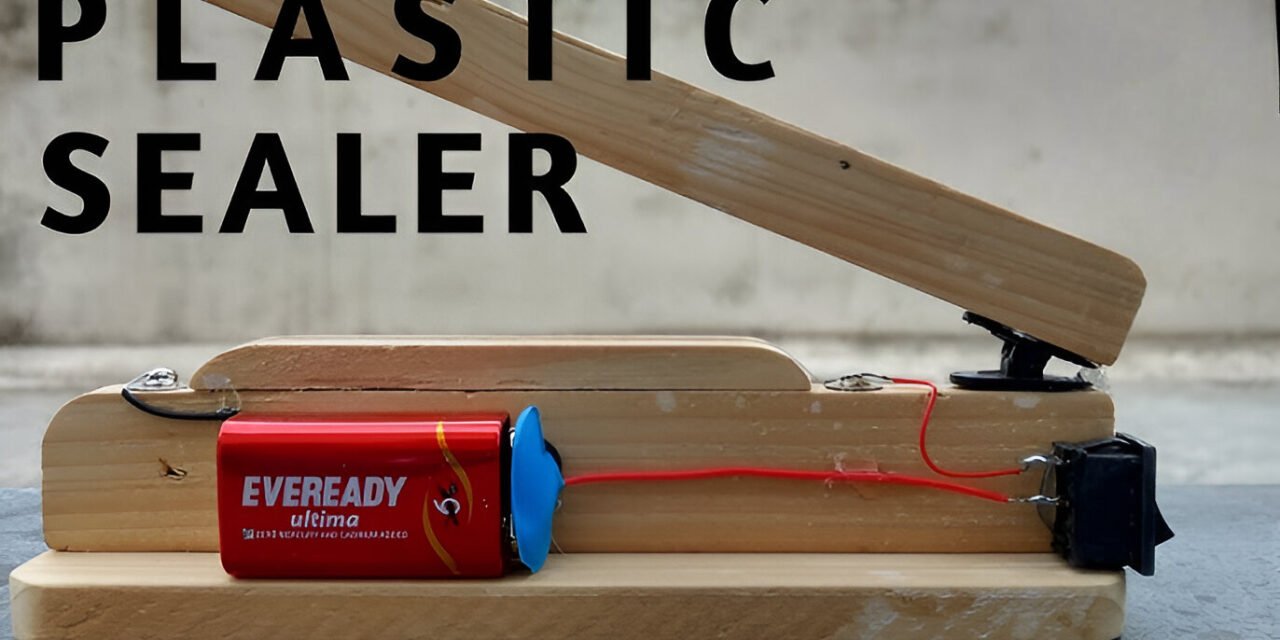
- Manual or handheld sealers are suitable for small-scale or occasional use.
- High-Volume Production:
- Automated sealers (e.g., continuous heat sealers or flow wrappers) are ideal for large-scale manufacturing.
- Cycle Time:
- Evaluate how quickly the device can seal and whether it can keep up with production demands.
5. Environmental Conditions
The operating environment can influence device performance.
- Temperature and Humidity:
- Devices should handle variations in ambient conditions, especially in outdoor or industrial settings.
- Exposure to Dust or Chemicals:
- Sealing devices used in harsh environments may require robust housings and corrosion-resistant materials.
- Cleanroom Compatibility:
- Medical and pharmaceutical applications may require devices designed for sterile environments.
6. Automation and Integration
Consider the level of automation needed and compatibility with existing systems.
- Manual vs. Automated:
- Manual sealers are cost-effective for small operations, while automated systems improve efficiency in large-scale production.
- Integration with Production Lines:
- Devices should integrate seamlessly with conveyors, sorting systems, or other machinery for streamlined operations.
- Smart Features:
- Devices with programmable controls, sensors, and real-time monitoring enhance precision and efficiency.
7. Energy Efficiency
Energy consumption impacts operational costs and sustainability.
- Energy-Saving Features:
- Look for devices with energy-efficient heating elements or eco-mode settings.
- Alternative Technologies:
- Ultrasonic or RF sealers consume less energy compared to traditional heat sealers for some applications.
8. Maintenance and Durability
Reliable performance and ease of maintenance are critical for minimizing downtime.
- Durability:
- Select devices made from high-quality materials, such as stainless steel or anodized aluminum, for long-term use.
- Ease of Maintenance:
- Devices with modular components and accessible designs simplify repairs and part replacements.
- Warranty and Support:
- Check for warranties and availability of technical support or spare parts.
9. Regulatory and Safety Compliance
Ensure the device meets industry standards and safety requirements.
- Food and Medical Standards:
- Devices used in these sectors should comply with regulations like FDA, ISO 11607 (for medical packaging), or GMP.
- Electrical and Operational Safety:
- Verify compliance with standards such as CE or UL certification.
- Eco-Friendly Operations:
- Consider devices compatible with biodegradable or recyclable plastics to align with environmental regulations.
10. Cost Considerations
Balance initial investment with operational costs and long-term value.
- Upfront Costs:
- Assess the purchase price of the device relative to its features and capabilities.
- Operating Costs:
- Include energy consumption, maintenance, and consumable costs (e.g., sealing bars, tapes).
- Return on Investment (ROI):
- High-efficiency devices may have higher upfront costs but offer better ROI through faster production and reduced waste.
11. Application-Specific Needs
Consider unique requirements based on the industry and application.
Food and Beverage:
- Requirements:
- Airtight, tamper-evident seals.
- Compatibility with FDA-approved materials.
- Recommended Devices:
- Heat sealers, vacuum sealers, shrink-wrapping machines.
Medical and Pharmaceutical:
- Requirements:
- Sterility, cleanroom compatibility, precise sealing.
- Compliance with ISO 11607 or other standards.
- Recommended Devices:
- Ultrasonic sealers, RF sealers, heat sealers.
Electronics:
- Requirements:
- Moisture-proof and anti-static sealing.
- Recommended Devices:
- Vacuum sealers, heat sealers.
Construction and Agriculture:
- Requirements:
- Weather-resistant seals for large plastic sheets or liners.
- Recommended Devices:
- Hot air/wedge welders, extrusion welders.
Conclusion
Selecting the right plastic sealing device involves evaluating material compatibility, application-specific requirements, production scale, and operating environment. Balancing these factors ensures the device not only meets immediate operational needs but also delivers long-term performance, efficiency, and value.
Hashtags
#PlasticSealingSolutions #SealingDevices #SmartSealingTech #SealingInnovation #AdvancedSealing #PerformanceAndDurability #LeakProofDesign #DurableAndReliable #PerformanceUnderPressure #SecureSealing #LongLastingSolutions #FoodSafeSealing #IndustrialSealingDevices #MedicalGradeSealing #PharmaPackagingSeals #BeveragePackagingSeals #MaterialCompatibility #HighPerformancePlastics #PrecisionEngineering #CustomSealingDesign #SmartMaterialDesign #EcoFriendlySealing #SustainablePackaging #GreenSealingSolutions #RecyclableSealingDevices #CircularEconomy #PackagingInnovation #SmartPackagingTech #FutureOfSealing #BuiltForPurpose #InnovativeSolutions