Plastic containers play a significant role in reducing food waste by helping to extend the shelf life and preserve the freshness of food products. Proper packaging ensures that food remains protected from environmental factors like air, moisture, light, and temperature fluctuations, all of which can cause food spoilage. By improving preservation, plastic containers contribute to reducing food loss, enhancing food safety, and supporting sustainability in the food supply chain. Here’s how plastic containers help reduce food waste:
1. Barrier Properties for Food Preservation
A. Moisture Control
- Moisture is a key factor in food spoilage, particularly for perishable items like fruits, vegetables, and baked goods. Plastic containers, especially those made from PET, PP, or HDPE, offer effective moisture barriers, keeping the food dry and fresh for longer periods.
- Fresh produce: Containers with good moisture control can extend the shelf life of fresh fruits and vegetables, which would otherwise lose water content and deteriorate more quickly.
- Bakery products: Packaging like clamshell containers or airtight plastic bags help keep bread and pastries from drying out or becoming soggy.
B. Oxygen Barrier
- Oxygen exposure accelerates oxidation, which leads to spoilage in foods like meat, cheese, and snacks. Plastic containers, especially those made from materials like multi-layered films or rPET, have enhanced oxygen barrier properties that help prevent spoilage by limiting the food’s exposure to air.
- Meat and fish packaging: Modified Atmosphere Packaging (MAP), which uses a mix of gases to extend the shelf life of meat and seafood, is commonly used with plastic containers. The plastic packaging keeps the product under an optimal oxygen level, preventing spoilage.
C. UV Light Protection
- UV light can degrade certain vitamins and nutrients in food, especially those in dairy products and juices. Opaque or UV-resistant plastic containers protect food from light exposure, helping preserve nutrients and prevent spoilage.
- Dairy products like milk and juice bottles are often made from opaque plastic to prevent UV degradation.
2. Temperature Regulation
A. Hot-fill and Cold-fill Protection
- Plastic containers are engineered to handle both hot-fill and cold-fill processes, ensuring that foods remain safe and fresh after packaging. This is especially important for products that require sterilization or pasteurization.
- Hot-fill products like soups or sauces require containers that can withstand high temperatures without deforming. Plastic bottles and jars made from PET or PP offer the durability needed to maintain structural integrity during high-temperature processing.
B. Freezer and Refrigeration Compatibility
- Many plastic containers are freezer-friendly and can protect food during freezing, preventing freezer burn and preserving the texture and flavor of frozen foods. Materials like HDPE and PP are commonly used in packaging frozen foods, ice cream, and frozen vegetables.
- Plastic containers also make it easier for refrigerated goods to maintain the correct temperature during transport and storage, reducing spoilage in items like meats, cheese, and prepared meals.
3. Convenience and Portion Control
A. Single-Serve and Portion-Control Packaging
- Plastic containers are ideal for single-serve or portion-controlled packaging, which helps reduce food waste by preventing consumers from over-serving or over-purchasing.
- Snack packs, pre-portioned meals, and individual fruit servings are examples where plastic packaging helps minimize waste by ensuring that food is consumed in smaller quantities, thereby reducing leftovers that could otherwise go to waste.
B. Resealable Containers
- Plastic containers with resealable lids help extend the shelf life of products by allowing them to be opened and closed multiple times without losing freshness. Resealable packaging for items like chips, cookies, or frozen foods helps to preserve the food’s quality and extend its usability.
- Zip-lock bags or tupperware containers with airtight seals allow consumers to store leftovers safely and avoid waste.
4. Extended Shelf Life through Modified Atmosphere Packaging (MAP)
A. Reduced Oxygen Levels
- Modified Atmosphere Packaging (MAP) is a process that uses plastic containers to create a controlled environment by replacing the air inside the package with gases like nitrogen or carbon dioxide. This method extends the shelf life of food by slowing down the growth of bacteria and reducing oxidation.
- Fresh meat, poultry, and ready-to-eat meals benefit from MAP using plastic trays and films that help maintain food freshness and safety.
B. Vacuum Sealing
- Vacuum sealing with plastic bags or containers removes air from the package, preventing the growth of spoilage microorganisms and extending shelf life. This is especially effective for meat, cheese, and processed foods.
- Vacuum-sealed plastic containers help extend the shelf life of products by keeping them in an airtight environment, significantly reducing spoilage.
5. Reducing Food Spoilage from Contamination
A. Food Safety
- Plastic containers help to reduce contamination from external elements such as dust, dirt, or insects, preserving food integrity. Packaging materials are designed to be sanitary and safe for food contact.
- Food-grade plastics are non-toxic, ensuring that the contents remain safe from harmful chemicals and external contaminants.
- Tamper-evident packaging also prevents unauthorized access to food, maintaining consumer confidence in food safety and reducing spoilage.
B. Protection from Physical Damage
- Plastic containers provide protection against crushing or damage during transport and handling, which helps to reduce food waste due to product breakage.
- Bottles, jars, and trays made from sturdy plastic materials like PET and HDPE protect the food from external damage and ensure that the contents remain intact during transport.
6. Convenience and Consumer Behavior
A. Reduced Spoilage from Consumer Handling
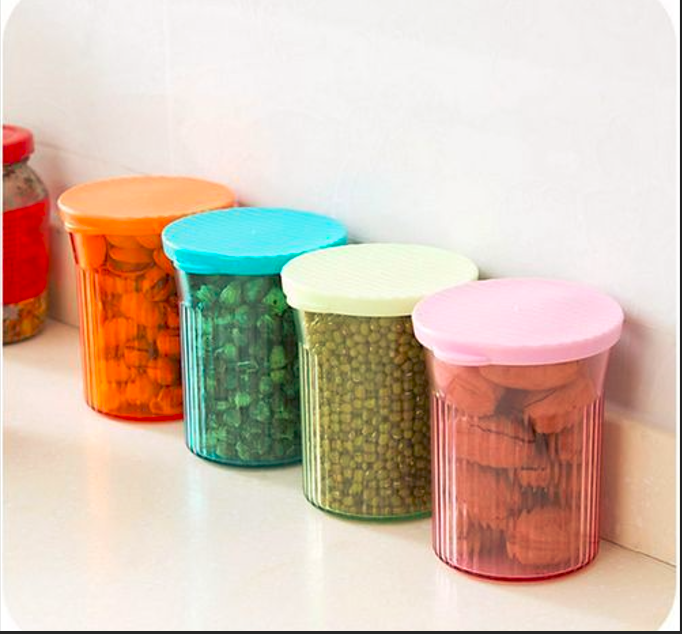
- Plastic containers allow for easy handling, portioning, and storage, which encourages consumers to use products before they spoil. With clear containers, consumers can easily see the product’s contents and determine whether it is still good to use, reducing the likelihood of throwing away food.
- Transparent plastic containers for products like fresh produce and dairy help consumers make informed decisions about the freshness of the product, which can reduce food waste.
B. Shelf-Ready Packaging
- Shelf-ready packaging made from plastic allows food products to be easily displayed in retail environments without compromising product quality. The protective design helps maintain freshness and reduces the likelihood of spoilage from exposure to the elements.
Conclusion
Plastic containers play a crucial role in reducing food waste by providing effective barriers to moisture, oxygen, light, and contaminants, all of which contribute to food spoilage. Key ways plastic containers help include:
- Extending Shelf Life: By providing moisture control, oxygen barrier properties, and UV protection, plastic containers help maintain food freshness and reduce spoilage.
- Temperature Control: Containers designed for hot-fill, cold-fill, and freezing help protect food from temperature-related spoilage.
- Convenience and Portion Control: Single-serve, resealable, and vacuum-sealed containers allow for better portion management, reducing food loss.
- Reduced Contamination: Tamper-evident and protective packaging reduce contamination and physical damage during transport, ensuring food stays safe and intact.
Hashtags
#FoodPreservation #ExtendedShelfLife #FreshnessMatters #PreserveFoodQuality #SmartFoodStorage #ReduceFoodWaste #WasteNotWantNot #FoodSustainability #SaveMoreWasteLess #FoodWasteSolutions #PerformancePackaging #LeakProofContainers #FoodSafePackaging #ReliableStorageSolutions #ProtectivePackaging #PackagingInnovation #SmartPackaging #AdvancedMaterials #DurableAndReliable #FoodPackagingTech #EcoFriendlyPackaging #SustainableFoodStorage #RecyclableSolutions #GreenPackaging #FutureOfFoodStorage #PackagingIndustry #FoodSafetyFirst #SupplyChainEfficiency #BuiltToPreserve #ProtectOurFood