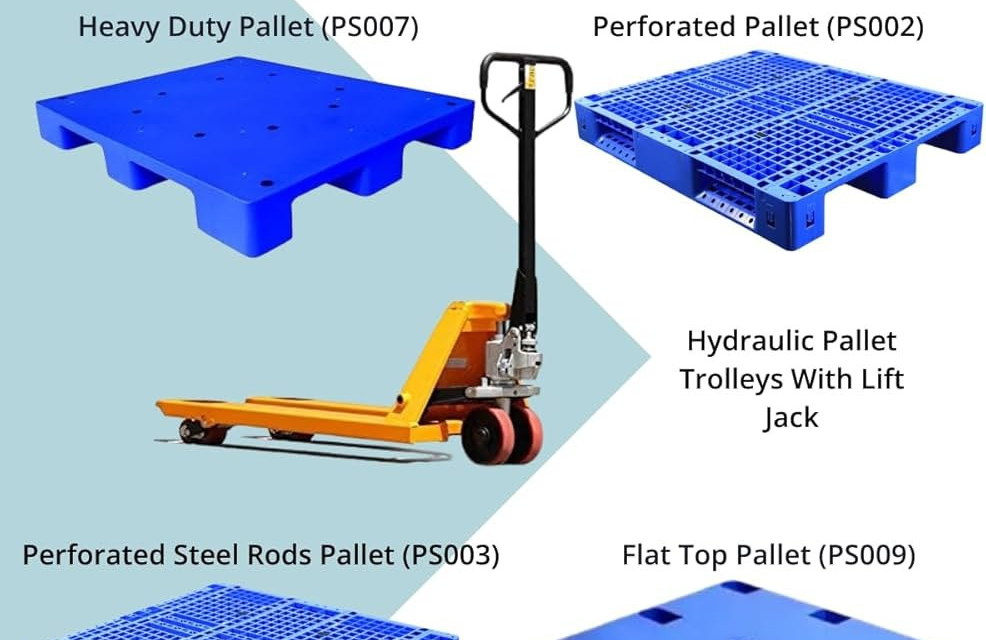
Plastic pallets and crates are engineered with specialized designs and materials to handle various types of loads, such as heavy-duty loads, lightweight goods, or perishable items. The design elements, structural reinforcements, and material choices are tailored to optimize strength, durability, functionality, and suitability for specific applications. Here’s an overview of how plastic pallets and crates are designed to address different types of loads:
1. Heavy-Duty Loads
Design Features
- Reinforced Structures: Heavy-duty plastic pallets and crates often feature ribbed reinforcements or steel inserts to provide additional strength and load-bearing capacity.
- High-Strength Materials: Made from durable materials like HDPE (High-Density Polyethylene), PP (Polypropylene), or fiber-reinforced composites, which can withstand heavy weights without cracking or deforming.
- Thicker Walls and Bases: The walls and base of heavy-duty crates are designed to be thicker to improve resistance to impacts and prevent buckling under heavy loads.
- Anti-Slip Surfaces: Pallets may include textured or anti-slip surfaces to prevent loads from shifting during transport.
- Load Distribution Features: Designed to distribute weight evenly, minimizing stress on specific points and ensuring stability during stacking or transport.
Applications
- Industrial settings for transporting machinery components, metal parts, and building materials.
- Export of bulk goods requiring high load-bearing pallets.
Load Capacities
- Static Load: Up to 10,000 lbs (4,500 kg) for pallets stored in warehouses.
- Dynamic Load: Up to 5,000 lbs (2,300 kg) for pallets during transportation or material handling.
2. Lightweight Goods
Design Features
- Lightweight Materials: Use of thin-walled HDPE or recycled plastics to reduce overall weight while maintaining structural integrity.
- Hollow or Nestable Designs: Crates designed with hollow sections or stackable and nestable shapes to minimize material usage without sacrificing strength.
- Flexibility: The plastic used for lightweight goods is often slightly flexible to absorb minor impacts without cracking.
Applications
- Transporting lightweight consumer goods, such as electronics, clothing, or packaged food.
- Single-use or one-way shipping, particularly for export pallets.
Load Capacities
- Static Load: Up to 3,000 lbs (1,360 kg).
- Dynamic Load: Up to 1,500 lbs (680 kg), depending on the material.
3. Perishable Goods
Design Features
- Ventilation: Crates for perishable goods feature vented walls and bases to allow airflow, keeping the goods cool and preventing moisture buildup. This is especially important for fruits, vegetables, and seafood.
- Temperature Resistance: Made from materials with high thermal stability, ensuring they perform well in cold storage or refrigerated environments.
- Hygienic Surfaces: Smooth and non-porous surfaces that resist bacteria growth, making them easy to clean and sanitize.
- Stackability: Designed to stack securely without crushing the goods inside, maintaining product quality during storage and transportation.
Applications
- Agriculture and food industries for transporting fresh produce, dairy products, or seafood.
- Pharmaceutical and medical industries for storing temperature-sensitive products.
Load Capacities
- Designed for moderate loads, typically up to 1,500 lbs (680 kg) for crates and 2,500 lbs (1,134 kg) for pallets.
4. Specialized Goods (Fragile or High-Value Items)
Design Features
- Shock Absorption: Incorporation of foam linings or impact-resistant plastics to protect fragile items like glassware, electronics, or medical devices.
- Tamper-Evident Features: Crates may include locking mechanisms or security seals to ensure the integrity of high-value goods during transit.
- Custom Compartments: Crates can have internal dividers or custom slots to secure individual items, preventing movement and collisions during transport.
- Transparency: Use of transparent or semi-transparent materials, such as polycarbonate, for better visibility of contents.
Applications
- Transporting medical devices, electronics, or luxury goods like wines or jewelry.
Load Capacities
- Varies depending on the level of customization, typically ranging from 1,000 to 2,000 lbs (450 to 900 kg).
5. General-Purpose Loads
Design Features
- Standardized Dimensions: Plastic pallets and crates designed to fit industry-standard sizes (e.g., 48×40 inches for pallets), ensuring compatibility with automated systems like conveyors and forklifts.
- Modular Design: Crates are often stackable and compatible with pallets to streamline handling, storage, and transport.
- Durable Materials: Use of mid-strength HDPE or PP to balance cost and performance for general-purpose applications.
Applications
- Retail and logistics for consumer goods, packaged items, or warehouse storage.
Load Capacities
- Suitable for static loads up to 5,000 lbs (2,300 kg) and dynamic loads up to 2,500 lbs (1,134 kg).
Conclusion
Plastic pallets and crates are specifically engineered to address the needs of different types of loads:
- Heavy-duty loads benefit from reinforced structures and high-strength materials.
- Lightweight goods rely on thin-walled or hollow designs to minimize weight.
- Perishable goods require ventilated, hygienic designs to maintain product freshness and safety.
- Fragile and high-value items are protected with shock-absorbing features, custom compartments, and tamper-evident designs.
The versatility of plastic pallets and crates makes them indispensable across industries, with designs tailored to enhance performance, efficiency, and product protection during transportation and storage.
Hashtags
#PlasticPallets #PlasticCrates #DurablePackaging #MaterialHandling #LogisticsSolutions #HeavyDutyPallets #LightweightCrates #PerishableGoodsStorage #CustomLoadHandling #IndustrialStrength #BuiltToLast #DurableAndReliable #LoadCapacity #HighPerformanceMaterials #SafeAndSecure #SupplyChainEfficiency #ColdStorageSolutions #FoodGradeMaterials #IndustrialLogistics #ECommercePackaging #ReusablePallets #EcoFriendlyMaterials #RecyclableSolutions #SustainablePackaging #CircularEconomy #PackagingInnovation #SmartLogistics #MaterialScience #PlasticEngineering #InnovativeMaterials