Advancements in polymer manufacturing have played a crucial role in the development of biodegradable plastics. These advancements are aimed at addressing environmental concerns related to the persistence of traditional petroleum-based plastics in the environment and their contribution to plastic pollution. Below are some of the key advancements in polymer manufacturing that have contributed to the development of biodegradable plastics:
1. Development of Bio-Based Polymers
a) Bio-Based Feedstocks
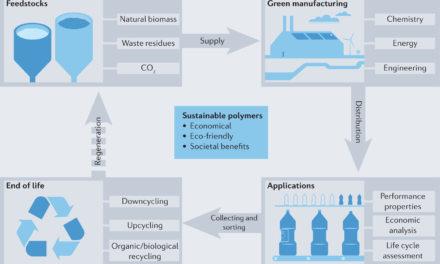
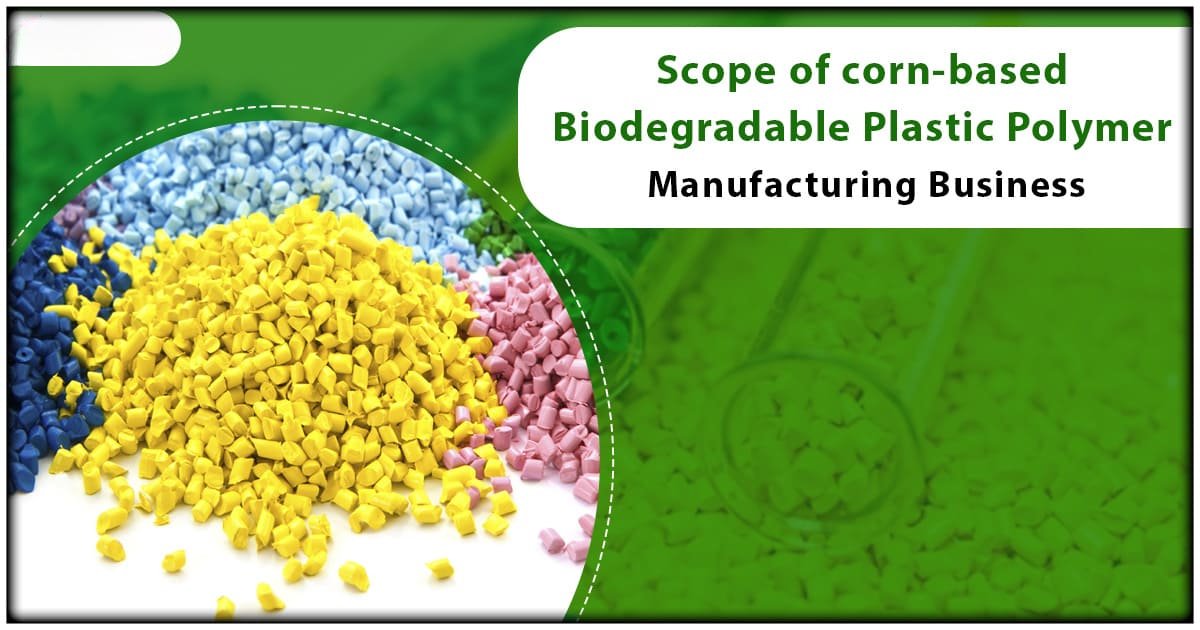
- One of the primary advancements in biodegradable plastics has been the shift from petrochemical-based feedstocks to bio-based feedstocks derived from renewable sources such as corn starch, sugarcane, potato starch, cellulose, and biomass. These feedstocks are used to produce polymers that are more sustainable and biodegradable.
- Polylactic Acid (PLA) is one of the most widely used biodegradable plastics made from fermented plant sugars, such as corn or sugarcane. Advances in fermentation technology and enzyme engineering have allowed for the large-scale production of PLA, making it a viable alternative to traditional plastics.
b) Use of Agricultural Waste
- Agricultural by-products (e.g., corn stover, wheat straw, rice husks) are increasingly being used as raw materials for producing biodegradable polymers. These by-products are rich in cellulose and hemicellulose, which can be converted into biodegradable plastics via processes such as hydrolysis and fermentation.
- The development of more efficient and cost-effective methods for converting these waste products into biodegradable monomers has contributed to the commercialization of bio-based biodegradable plastics.
2. Advancements in Polymerization Technologies
a) Green Polymerization Processes
- The development of environmentally friendly polymerization techniques has significantly advanced the production of biodegradable plastics. Solvent-free polymerization and the use of biodegradable catalysts have reduced the environmental impact of producing biodegradable plastics.
- For example, lactic acid used in PLA production is polymerized using ring-opening polymerization (ROP) or condensation polymerization. The use of bio-based catalysts and eco-friendly solvents has made this process more sustainable.
b) Controlled Polymerization Methods
- Controlled/living polymerization methods, such as ring-opening polymerization (ROP), atom transfer radical polymerization (ATRP), and enzymatic polymerization, have allowed for more precise control over polymer structure, molecular weight, and degree of crystallinity. These methods are crucial for creating biodegradable plastics with specific properties, such as degradability, strength, and flexibility.
- Polyhydroxyalkanoates (PHA), another class of biodegradable plastics, is produced through biological fermentation of plant sugars by bacteria. Advances in genetic engineering have allowed for more efficient and scalable production of PHA.
3. Development of Biodegradable Additives and Blends
a) Biodegradable Plastic Blends
- Another major advancement in biodegradable plastics is the development of blended polymers, where biodegradable polymers like PLA or polyhydroxyalkanoates (PHA) are mixed with synthetic polymers or plasticizers to enhance their performance and degradation rate. For example, PLA/PHA blends or PLA-based composites can improve the mechanical properties of the plastic, such as tensile strength, flexibility, and tear resistance, while maintaining biodegradability.
- Blends with biodegradable polyesters like polycaprolactone (PCL) or polybutylene adipate terephthalate (PBAT) are commonly used to improve the flexibility and processing properties of biodegradable plastics.
b) Use of Additives for Controlled Degradation
- Degradable additives, such as starch, enzyme-based agents, and pro-oxidant additives, have been developed to accelerate the biodegradation process of plastics in landfills or natural environments. These additives help break down the polymer chains into smaller, biodegradable fragments under the influence of microbial activity, moisture, and oxygen.
- For example, starch-based plastics are often mixed with polyethylene to form starch-filled biodegradable plastics that degrade faster when exposed to moisture or biological activity.
4. Enhancement of Biodegradable Plastic Performance
a) Improvements in Mechanical Properties
- Biodegradable plastics often face challenges with mechanical strength, ductility, and impact resistance compared to traditional plastics. Research and development in polymer processing techniques such as extrusion, injection molding, and blow molding have led to the enhancement of biodegradable polymer properties, making them more suitable for various applications like packaging, consumer goods, and agriculture.
- The inclusion of natural fibers (e.g., cellulose, cotton, hemp) or bio-based resins can further improve the mechanical properties of biodegradable plastics, enabling them to better compete with traditional petroleum-based plastics.
b) Tailored Degradation Rates
- The degradation rates of biodegradable plastics are crucial for their performance in specific applications. Advances in polymer chemistry have enabled the development of tailored degradation profiles for biodegradable plastics, allowing manufacturers to design plastics that degrade more quickly in certain environments (e.g., composting, soil, marine environments) and degrade more slowly in other applications (e.g., medical implants or food packaging).
- For example, PLA degrades relatively quickly under composting conditions, but its degradation can be slowed by incorporating crosslinking agents or by blending it with more durable bio-based polymers.
5. Commercialization and Scaling Up
a) Bio-Based Plastic Manufacturing Infrastructure
- The scaling up of biodegradable plastics production from lab-scale to industrial-scale manufacturing has seen significant advancements. The construction of large biorefineries that utilize biomass feedstocks for the production of biodegradable plastics has made it more economically viable to produce these materials in large quantities.
- Investments in biotech research and the development of industrial fermentation methods have also led to more efficient and cost-effective production of bio-based polymers like PHA and PLA, enabling their wider commercialization.
b) Market Demand for Sustainable Materials
- Increased awareness of plastic pollution and growing consumer demand for sustainable packaging have spurred the development of biodegradable plastics. This has led to significant advancements in polymer processing technologies and an increase in industry collaboration to drive innovation in biodegradable plastics.
Conclusion
Advancements in polymer manufacturing, including the development of bio-based feedstocks, green polymerization processes, biodegradable additives, and improvements in material properties, have contributed significantly to the growth of biodegradable plastics. As sustainability becomes a more pressing concern across industries, these innovations enable the creation of materials that are not only biodegradable but also meet the required performance standards for various applications, from food packaging to medical devices. The continued development of biodegradable plastics is expected to play a key role in reducing plastic pollution and transitioning towards a more sustainable circular economy.
Hashtags
#BiodegradablePlastics #SustainablePolymers #EcoFriendlyPlastics #GreenPlastics #BioplasticInnovation #PolymerAdvancements #BiodegradableMaterials #PlasticAlternatives #SustainablePackaging #EcoPackaging #PlasticPollutionSolution #ZeroWastePackaging #EcoFriendlyManufacturing #GreenManufacturing #CompostablePlastics #CircularEconomy