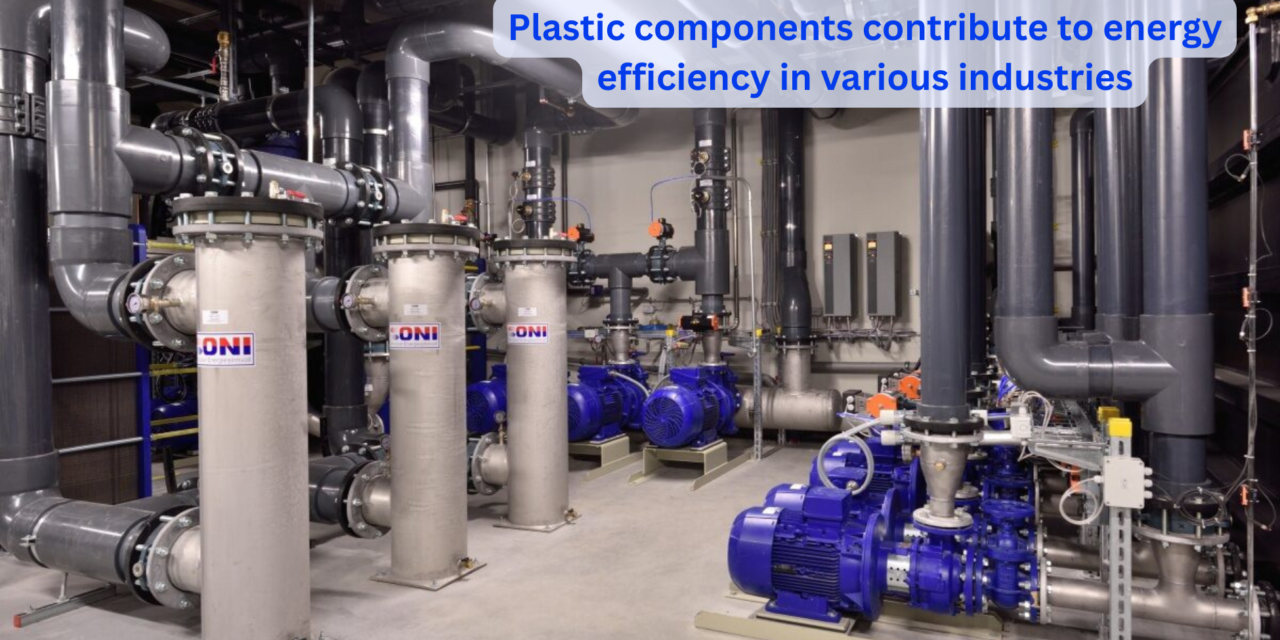
Plastic components contribute significantly to energy efficiency in various industries, including automotive, construction, electronics, and consumer goods, by offering benefits such as lightweighting, thermal insulation, and cost-effectiveness. These characteristics help reduce energy consumption during both the production process and in-use stages of the product life cycle. Below are some of the ways in which plastic components enhance energy efficiency in key industries:
1. Automotive Industry: Reducing Weight and Improving Fuel Efficiency
a) Lightweighting
- Plastics are much lighter than traditional materials like metal and glass, which helps to reduce the overall weight of vehicles. Lighter vehicles consume less fuel, improving fuel efficiency and reducing carbon emissions.
- Plastics like polypropylene (PP), polycarbonate (PC), and nylon (PA) are commonly used in interior components, exterior panels, bumpers, and body parts to reduce weight.
- Example: Replacing metal components with plastic in bumpers and dashboard components can reduce a vehicle’s weight by a significant amount, contributing to fuel savings.
b) Energy Absorption and Safety
- Certain plastic components, such as bumpers and crash structures, are designed to absorb energy during collisions, reducing the force transmitted to the vehicle’s occupants. This contributes to overall vehicle efficiency by reducing the need for excessive reinforcement and allowing for better fuel efficiency in design.
- Energy-absorbing plastics are especially important in vehicles designed for energy efficiency, as they can replace heavier metal structures, further improving fuel efficiency.
c) Thermal Insulation
- Plastics are also used in the thermal management of vehicles. Components such as thermal insulation pads, engine covers, and battery casings help maintain optimal operating temperatures in vehicles, especially electric vehicles (EVs) and hybrid models.
- Example: Polyurethane (PU) and expanded polystyrene (EPS) are used for thermal insulation in electric vehicle (EV) battery packs, ensuring that the battery operates within an ideal temperature range, optimizing performance and energy efficiency.
d) Aerodynamic Improvements
- The flexibility and lightweight nature of plastics also contribute to more aerodynamic vehicle designs. By using plastics in smooth body panels and aero parts (e.g., spoilers or grills), automakers can enhance the aerodynamics of the vehicle, reducing wind resistance and improving fuel efficiency.
2. Construction Industry: Enhancing Energy Efficiency in Buildings
a) Thermal Insulation
- Plastic-based insulation materials, such as expanded polystyrene (EPS), extruded polystyrene (XPS), and polyurethane (PU), are widely used in the construction industry to improve the thermal performance of buildings. These materials help reduce heat loss during winter and heat gain in the summer, leading to lower heating and cooling costs.
- Example: Foam insulation used in walls, roofs, and floors provides an energy-efficient barrier that keeps buildings at a comfortable temperature while minimizing the need for air conditioning or heating.
b) Lightweight Materials for Energy-Efficient Construction
- The use of lightweight plastics in construction products, such as plastic pipes, window frames, roofing membranes, and insulated panels, contributes to energy savings by reducing transportation energy costs and enabling the use of lighter building structures that require less energy for production and assembly.
- Example: Plastic windows and PVC doors are better thermal insulators than their traditional counterparts made from metal or wood, helping to maintain internal temperatures without excessive energy use.
c) Reduced Need for Heating and Cooling
- Plastic membranes and insulating materials help prevent air leaks and moisture intrusion. This is particularly important in energy-efficient buildings where maintaining a consistent internal temperature reduces the need for external heating and cooling.
- Example: Insulated concrete forms (ICFs), which use foam plastic as a component of the wall structure, offer enhanced thermal resistance, reducing the energy demand for temperature regulation within a building.
d) Durability and Long-Term Energy Savings
- Plastics like PVC, polycarbonate, and polyethylene are durable and resistant to environmental factors like moisture, UV radiation, and corrosion, leading to longer-lasting products that require less maintenance and have lower life-cycle energy costs. For example, plastic roofing and cladding can reduce the need for frequent replacements, contributing to overall energy savings over time.
3. Packaging Industry: Reducing Energy Consumption
a) Lightweight Packaging
- In packaging, the use of lightweight plastics significantly reduces the energy required for transportation and handling. For example, plastic bottles and containers are much lighter than glass or metal, meaning that less energy is needed to transport goods, and packaging costs are reduced.
- Example: PET bottles are used extensively for beverages because they are much lighter than glass bottles, leading to lower energy consumption in shipping and logistics.
b) Energy Efficiency in Manufacturing
- The extrusion and injection molding processes used to create plastic packaging are often more energy-efficient than traditional packaging production methods, such as glass-blowing or metal stamping. The relatively low processing temperatures and faster cycle times associated with plastic manufacturing contribute to lower energy consumption.
c) Barrier Properties and Energy Savings
- Many plastic packaging materials, such as multilayer films or vacuum-sealed packaging, are designed to reduce food spoilage and extend shelf life. This reduces the energy needed for refrigeration and energy consumption in food storage and transportation.
- Example: Vacuum-sealed food packaging using plastic films prevents spoilage and helps preserve food at ambient temperatures, reducing the need for refrigeration in transport.
4. Electronics Industry: Energy Efficiency and Performance
a) Lightweight and Portable Design
- In the electronics industry, plastics help create lightweight, portable, and energy-efficient products. The use of plastic housings for smartphones, laptops, and televisions reduces the weight of devices, making them easier to transport and handle, which indirectly reduces energy consumption in logistics.
- Example: Plastic casings for mobile devices and laptops enable energy-efficient manufacturing processes, reducing the weight of products and improving battery life through optimized designs.
b) Thermal Management in Electronics
- Plastics are also used in thermal management in electronic devices. Materials such as thermally conductive plastics help dissipate heat away from processors, batteries, and other heat-sensitive components, preventing overheating and improving energy efficiency.
- Example: Polycarbonate (PC) and polyphenylene sulfide (PPS) are used in heat sinks and protective housings to manage thermal flow and ensure that electronic devices remain within optimal operating temperatures, reducing the need for excessive power consumption from cooling systems.
Conclusion
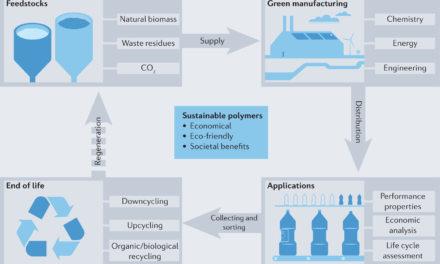
Plastic components contribute to energy efficiency across various industries, including automotive, construction, packaging, and electronics, by enabling lighter products, better insulation, reduced transportation energy, and improved heat management. Their lightweight nature, thermal properties, and cost-effectiveness help reduce the energy required in manufacturing, transportation, and daily use of products. By embracing sustainable practices, such as recycling, using bio-based plastics, and improving product life cycles, the energy efficiency benefits of plastics can be further optimized while reducing their environmental impact.
Hashtags
#EnergyEfficientPlastics #SustainablePlastics #PlasticInAutomotive #PlasticInConstruction #EnergyEfficientDesign #LightweightPlastics #PlasticInnovation #GreenBuildingMaterials #EcoFriendlyManufacturing #SustainableMaterials #EnergySavingComponents #AutomotiveEfficiency #ConstructionEfficiency #PlasticForSustainability #LowEnergyManufacturing #PlasticInIndustry