India has taken a firm stance against imposing stricter regulations on plastic polymer production, emphasizing the need to balance economic growth with environmental sustainability. With the country being a major producer and consumer of plastic polymers used across automotive, packaging, construction, and healthcare industries, policymakers argue that overregulation could disrupt critical supply chains and impact industrial growth.
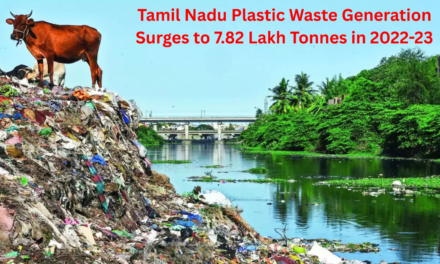
Plastic polymers are indispensable to India’s economy, contributing significantly to job creation, exports, and manufacturing. However, increasing global scrutiny on plastic pollution has led to calls for tighter controls on polymer production and usage. India’s approach focuses on enhanced recycling initiatives and innovation rather than reducing polymer output.
“Restricting polymer production could have far-reaching economic consequences,” said an industry expert. “Instead, we must invest in sustainable alternatives and recycling technologies to address environmental concerns effectively.”
India’s Strategy for Plastic Polymers:
- Promoting Circular Economy: India is emphasizing recycling and reuse of plastic waste, with investments in advanced waste processing facilities and public awareness campaigns.
- Encouraging Sustainable Alternatives: The government is incentivizing the development of biodegradable plastics and eco-friendly materials to complement traditional polymers.
- Industry Partnerships: Collaborations with private sector players are driving innovation in energy-efficient and low-impact polymer production methods.
- Improving Waste Management Infrastructure: Significant funding is being allocated to enhance plastic waste collection, segregation, and recycling facilities across urban and rural areas.
While environmental groups advocate for stricter measures, the government insists that regulating production could stifle growth in industries reliant on polymers, which are essential to India’s economic and industrial landscape. Instead, the focus remains on technological innovation, sustainable manufacturing practices, and global collaboration to address the challenges posed by plastic pollution.
India’s approach reflects a commitment to economic resilience while gradually transitioning to a more sustainable plastic ecosystem, setting a unique example in the global discourse on plastic production and environmental management.